Big Bend National Park is larger than the state of Rhode Island. It’s the only national park that completely contains an entire mountain range (The Chisos). The landscape is diverse, as is the wildlife here. Abbey and I were stunned by the birds especially. Over 450 bird species are documented as either living in, or migrating through, the park. Our time in Big Bend was characterized by good luck that lasted all 8 days we were here.
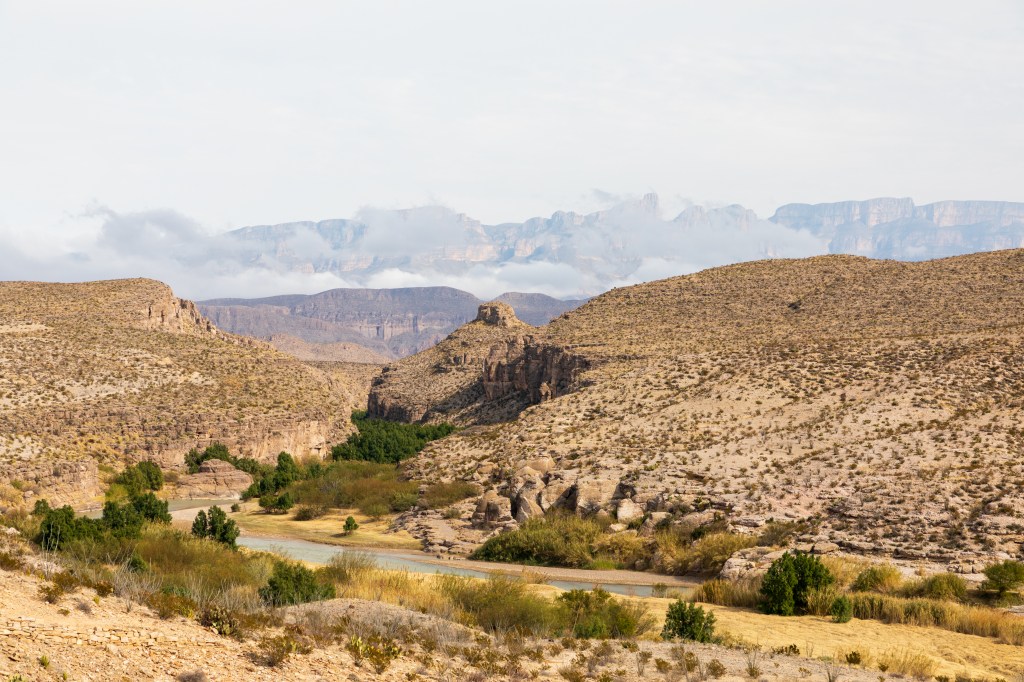
The Rio Grande runs over 100 miles inside the park and is the border between the United States and Mexico. There is no wall here – the desert is all the barrier that is needed.
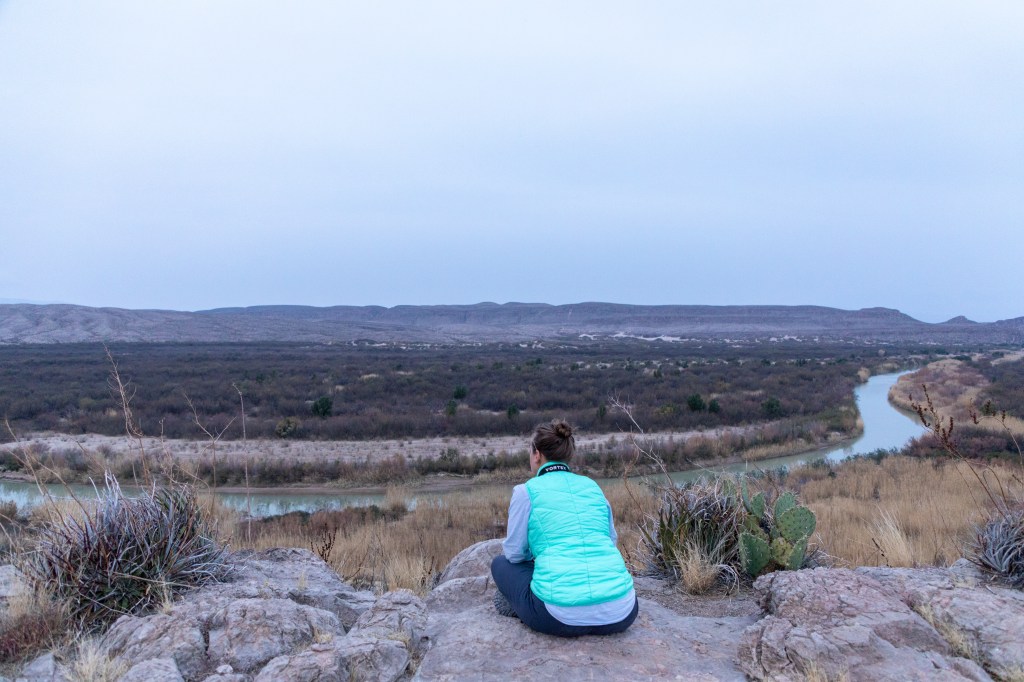
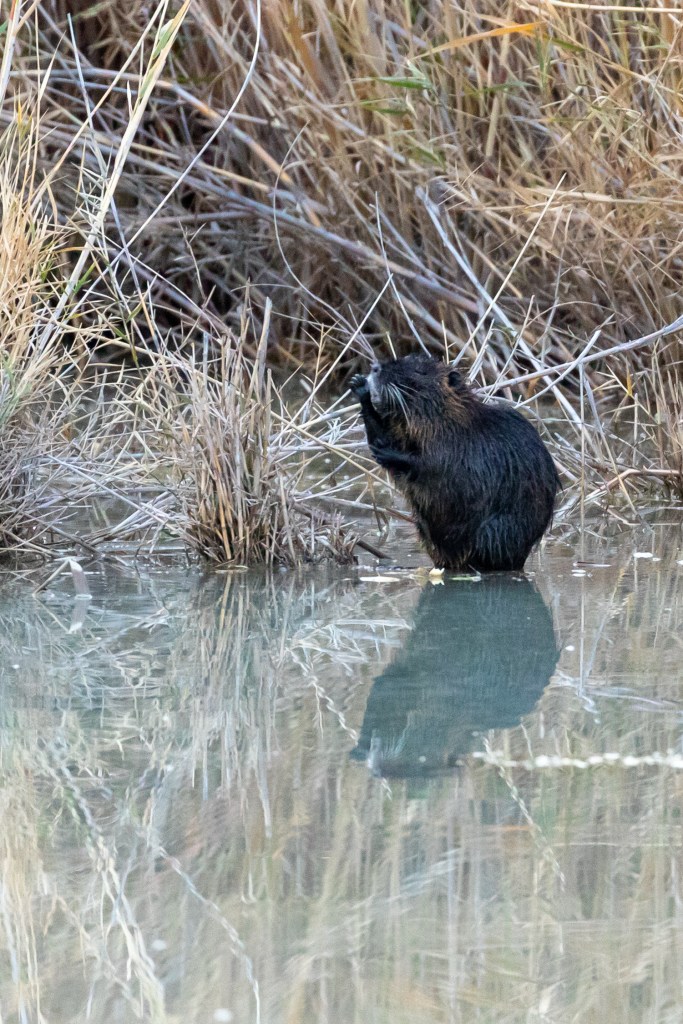
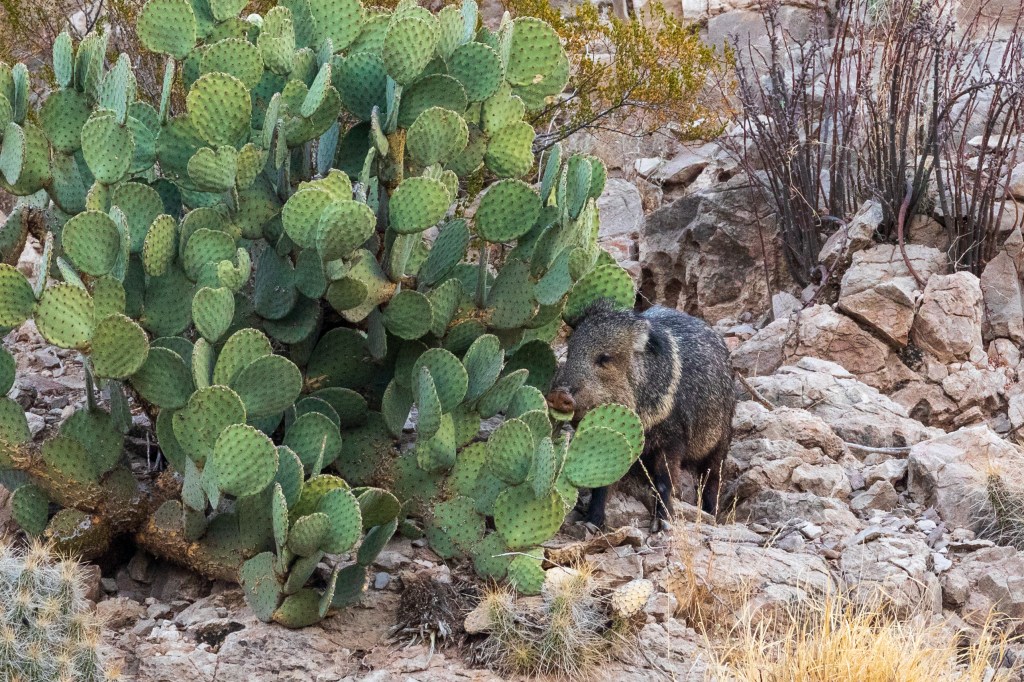
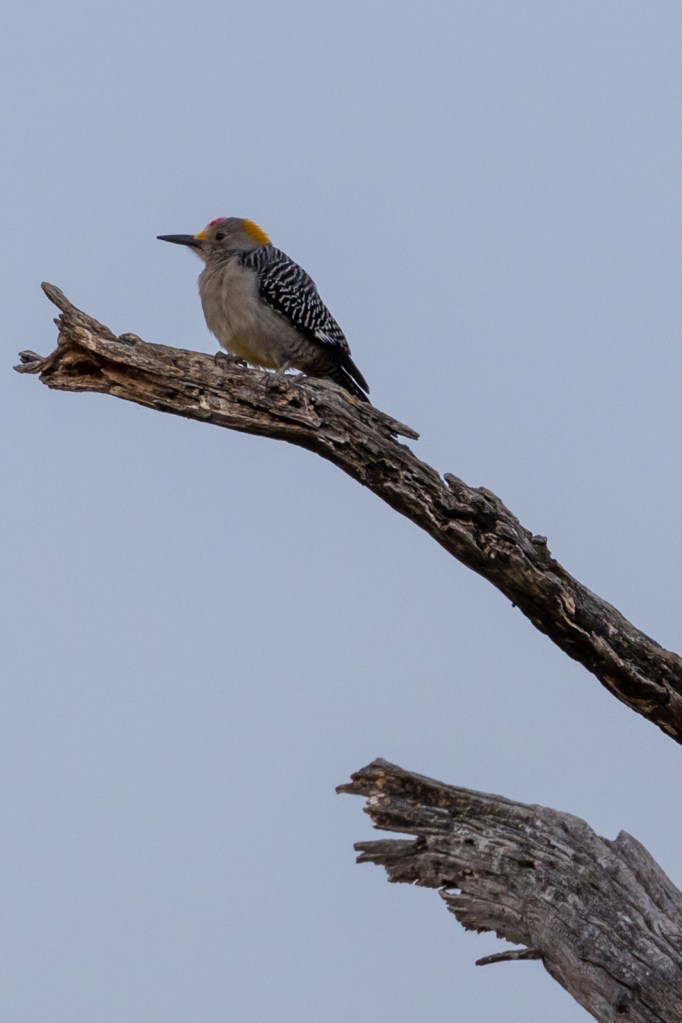
After watching a sunset over the Rio Grande and Mexico, Abbey and I saw a family of muskrats swimming and playing. At the same moment, a Golden-Fronted Woodpecker flew into a tree near us, and then rustling in the hills above turned out to be a family of a dozen Javelinas foraging for prickly pear cactus. Abbey and I were speechless.
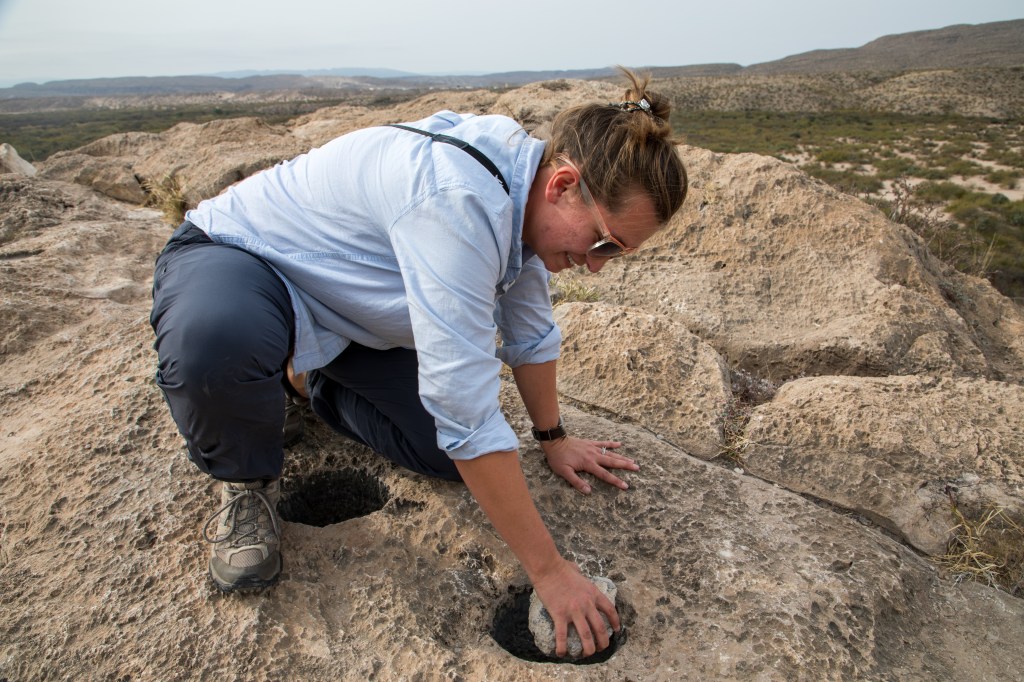
Boquillas Canyon and the areas surrounding have been inhabited for thousands of years. Circular holes were ground into solid rock, and then used to mix and grind (like a mortar and pestle) various ingredients and compounds. I found it interesting that these were often located on top of rock outcroppings. People living thousands of years ago liked a good scenic view, too.
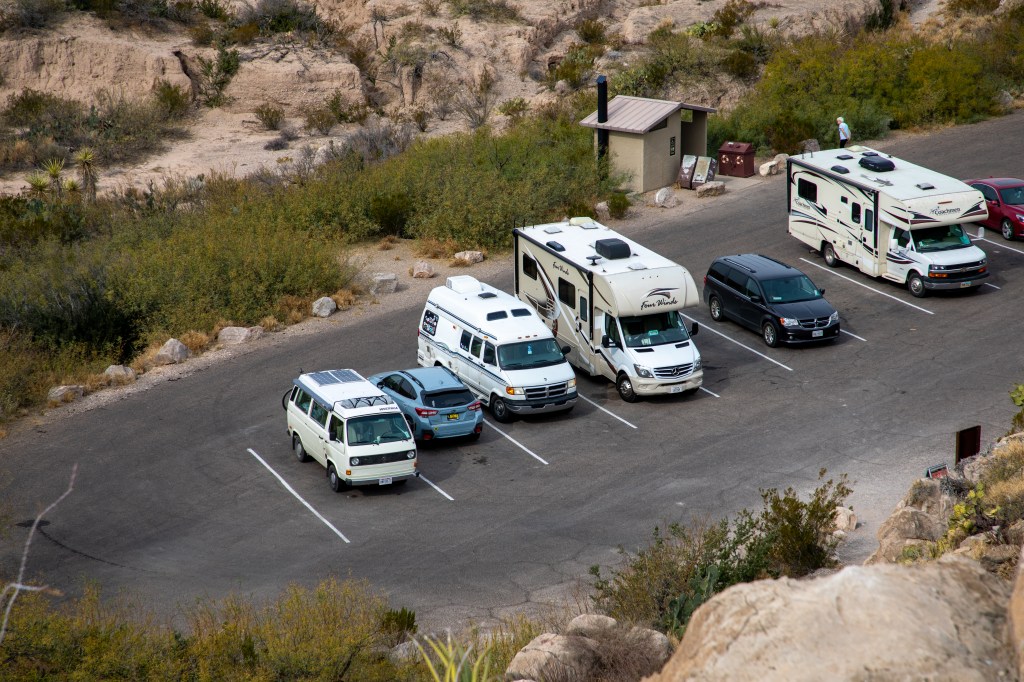
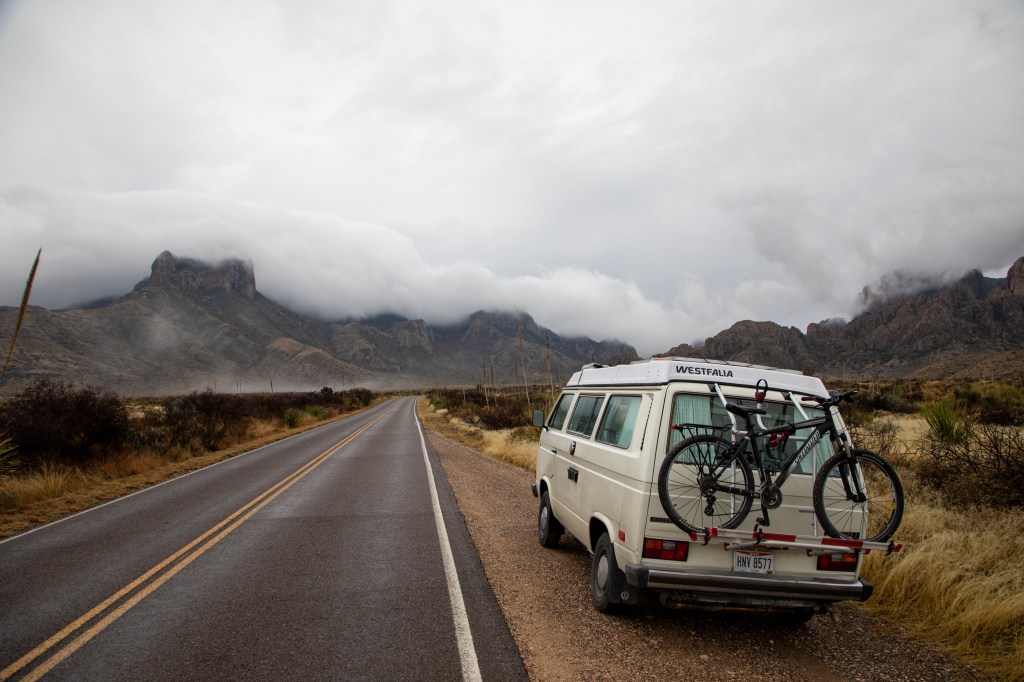
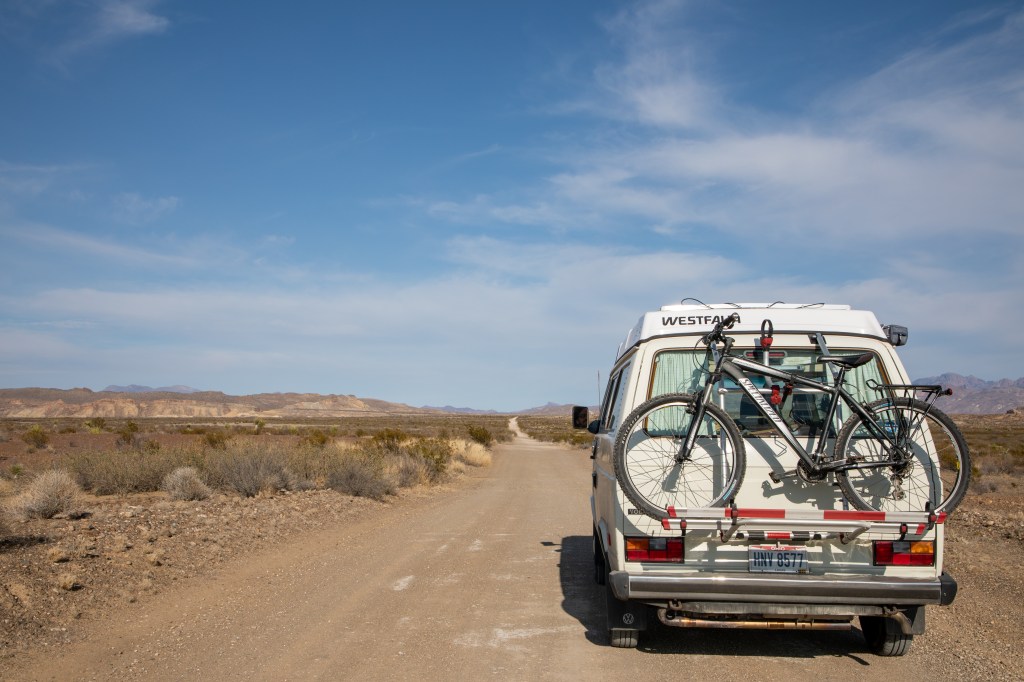
Abbey and I love Evelyn because she is very compact. It’s nice not having to drive around a monstrous RV or van.
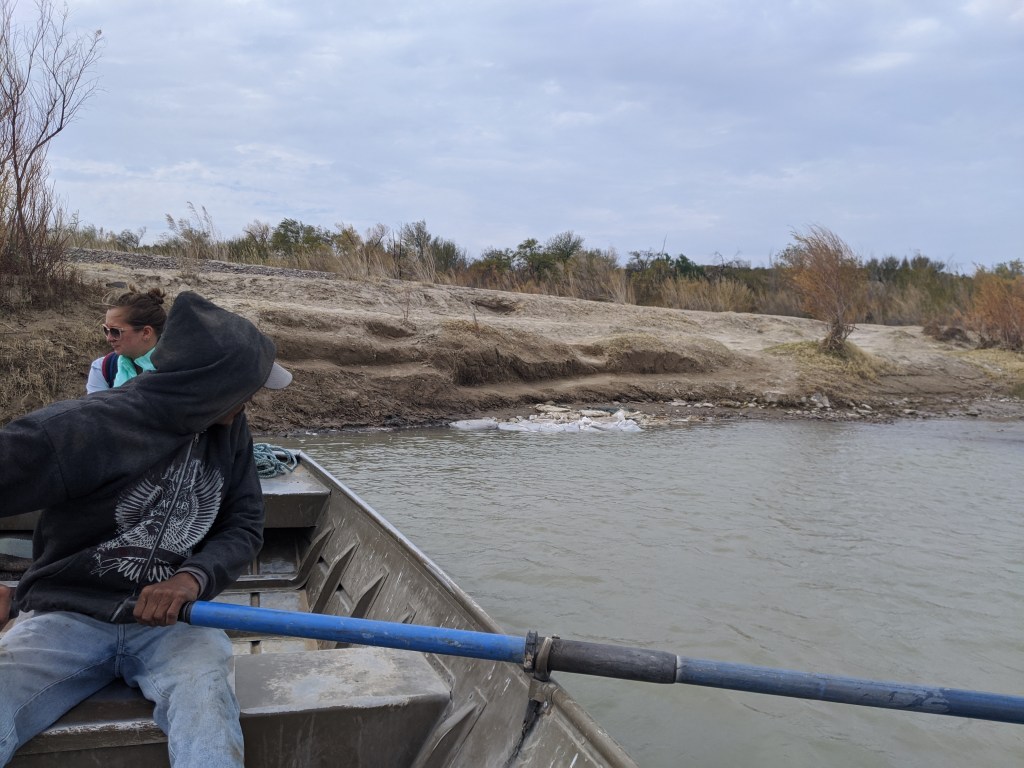
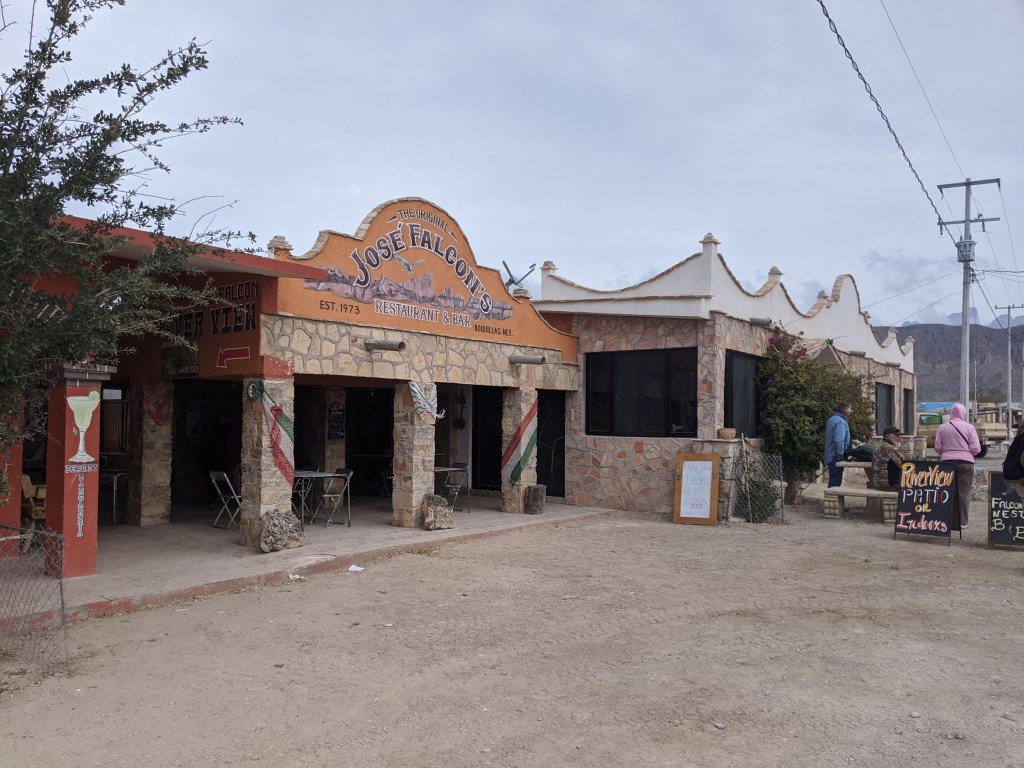
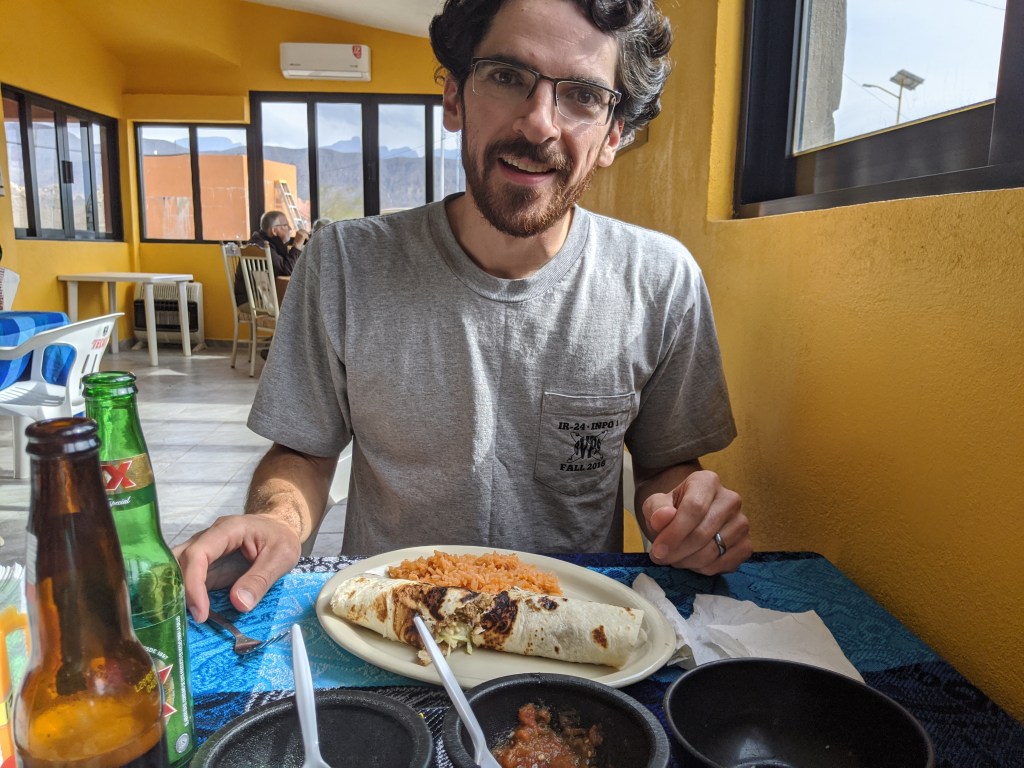
Abbey and I decided to cross into Boquillas, Mexico for lunch one day. There is no bridge. You pay a Mexican guy $5 to row you across the Rio Grande in a boat. We ate at Jose Falcon’s, one of two restaurants in the town. The food was simple and delicious, and all homemade. The salsa was the best I’ve ever had – a mix of peppers, carrots, onions, and happiness. I had a Dos Equis (reliably good) and Abbey had a Tecate Red (yuck). I’m glad we decided to go across the border – Janell will be so proud of us.
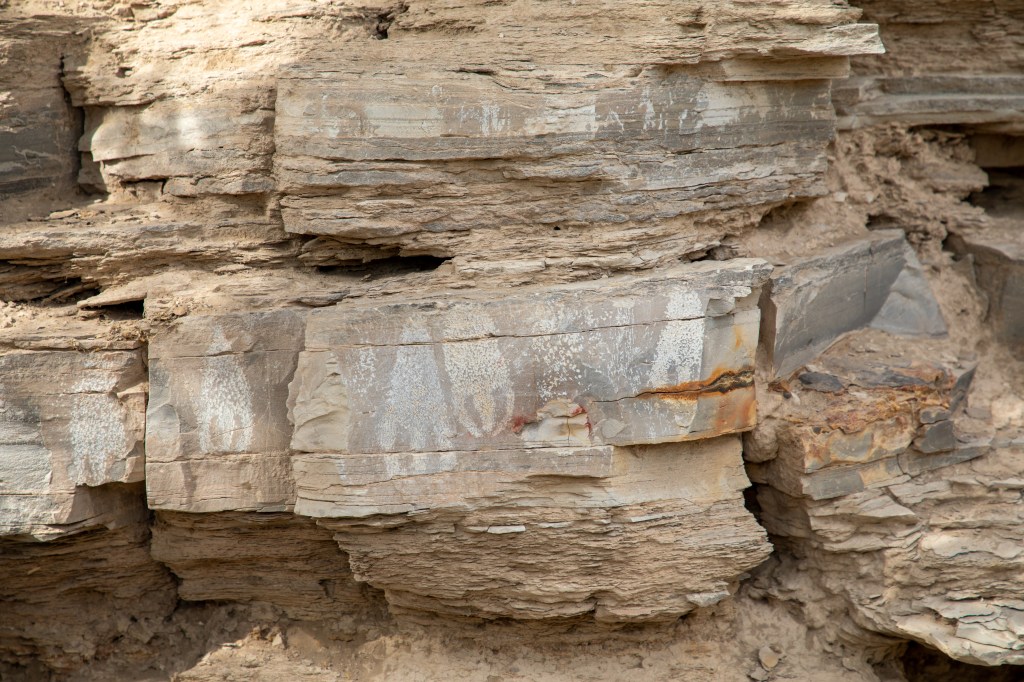
Petroglyphs are scattered throughout the park. These markings are between 2,000 and 3,000 years old, and obviously depict an ancient race of squid overlords.
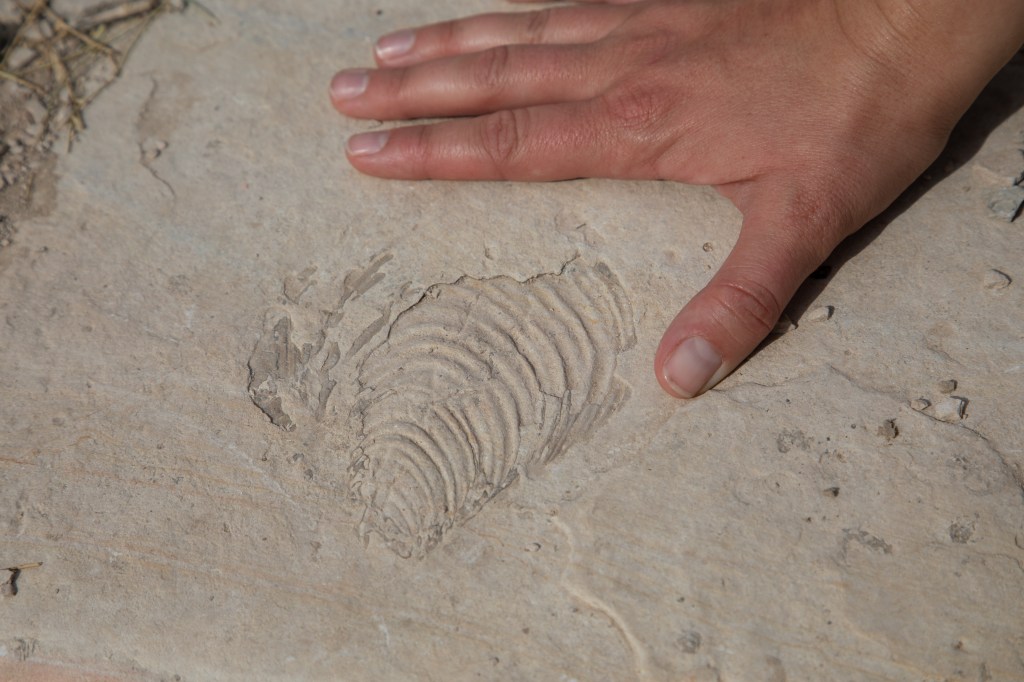
Big Bend was a shallow sea 130 million years ago, so there are fossils of various shells all over. Later, the area became a swamp, then a desert, then volcanoes and multiple massive eruptions, then erosion, and finally the current state – a unique, geologically goofy landscape.
One night it rained heavily, which resulted in a damp and cloudy morning that really seemed to bring out the wildlife and the colors. More good luck.
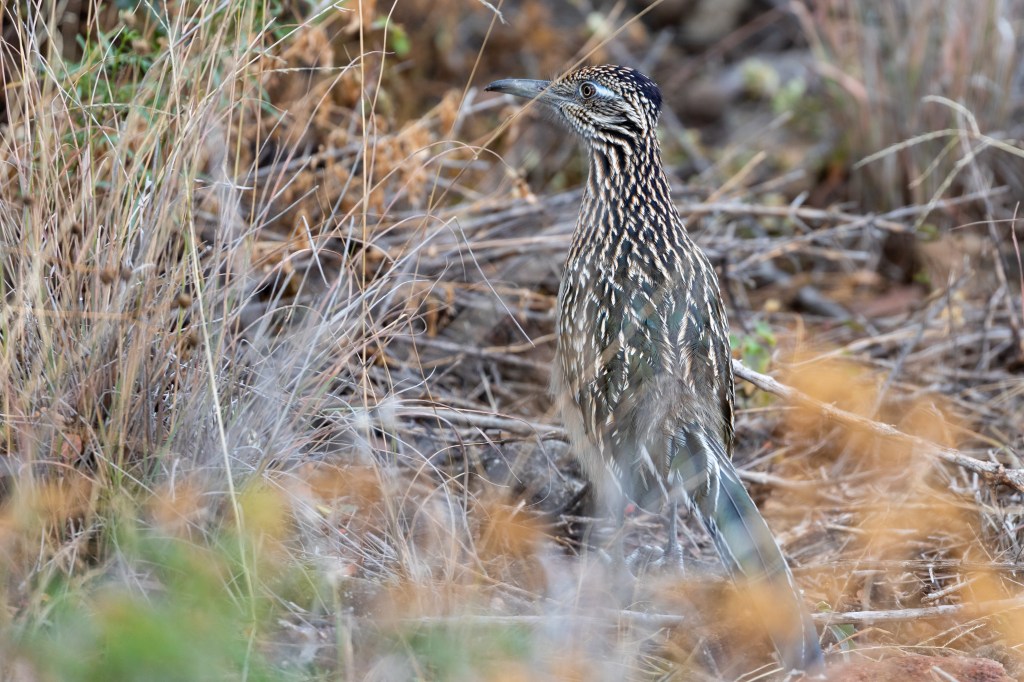
Roadrunners are everywhere out here. So are coyotes, but we didn’t witness any interaction.
Abbey and I had never seen a Pyrrhuloxia before. Since we don’t know how to pronounce that, we just call them Whacky Cardinals.

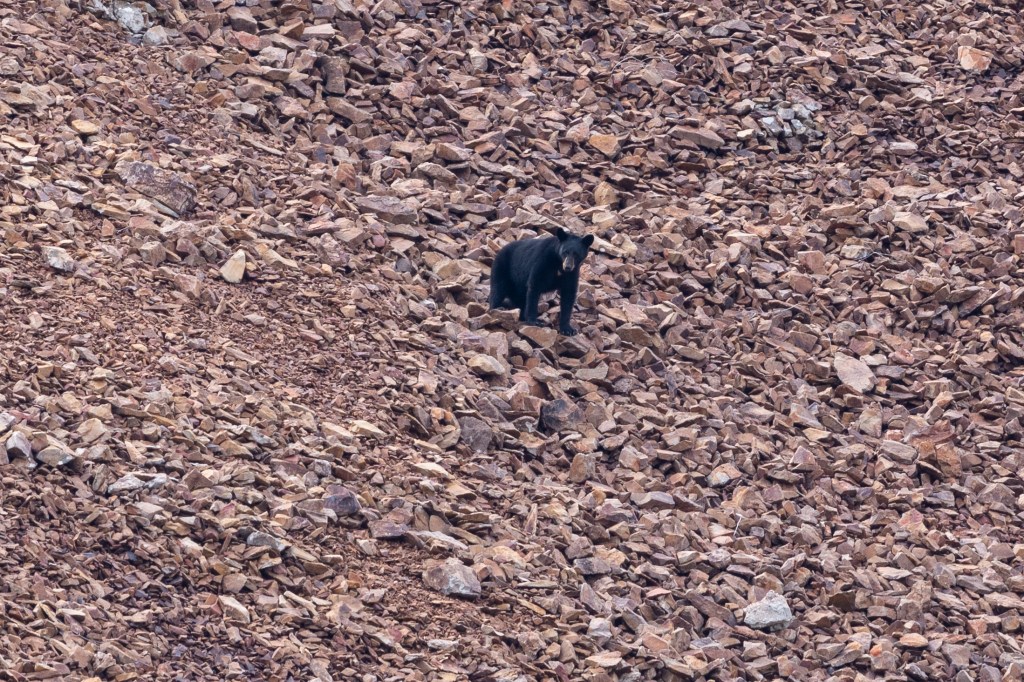
Mexican Black Bears were eradicated from the Big Bend area before it was a park. Thankfully, the bears began reappearing in the park in the 1980’s on their own, and now there is a small but stable population. Abbey and I saw four!
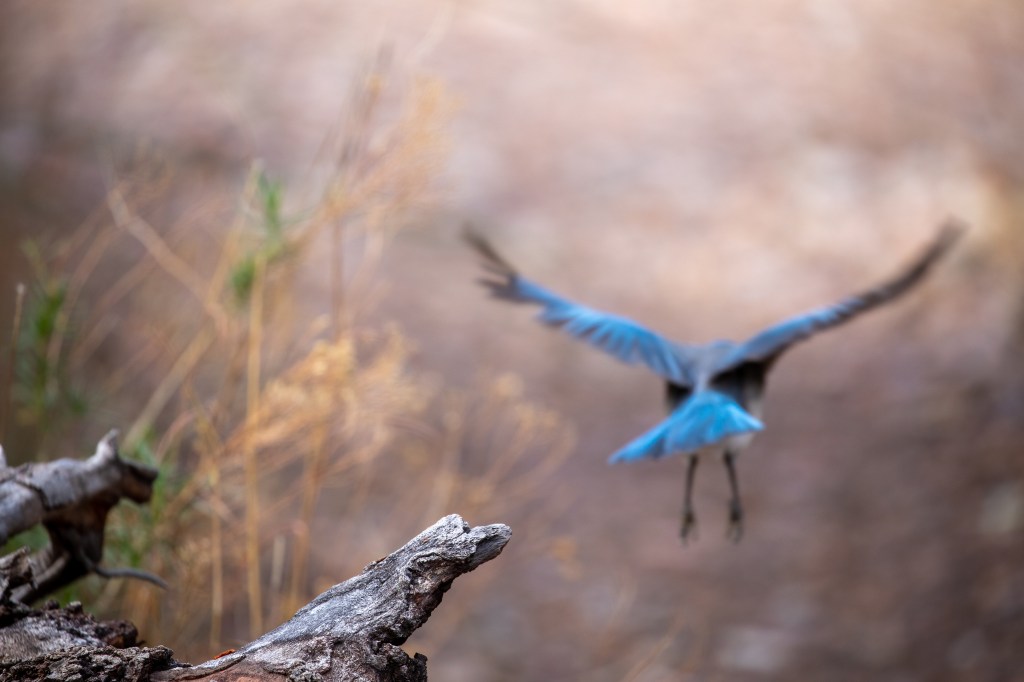
Mexican Jays are just like any other member of the Jay family – loud and obnoxious. This one wouldn’t sit still for a picture.
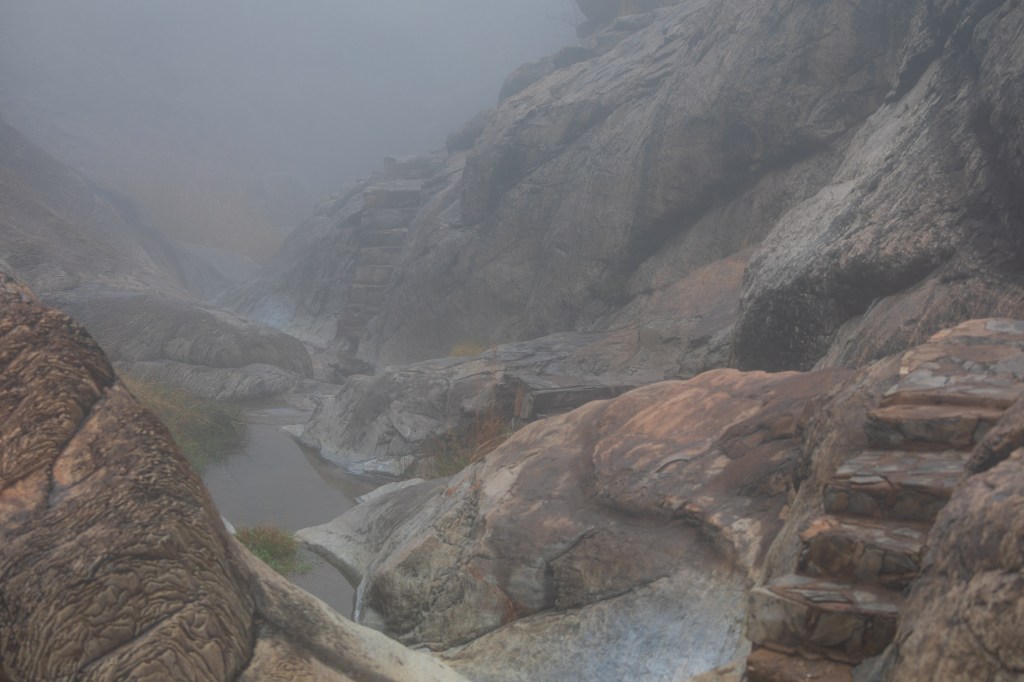
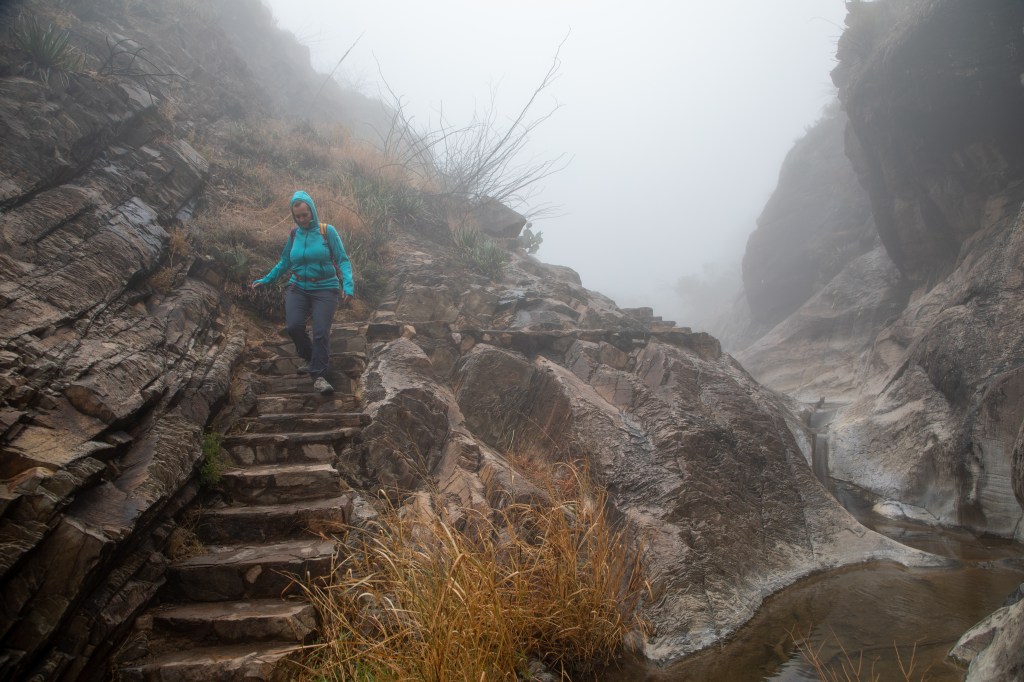
Abbey and I hiked down into a steep valley cloaked in fog. The stillness and complete silence made it very eerie, and I was without words to describe this magical place. The fog here was only because of the rain the night before, and it quickly dissipated as the sun crept higher into the sky. Abbey and I were lucky to witness this.
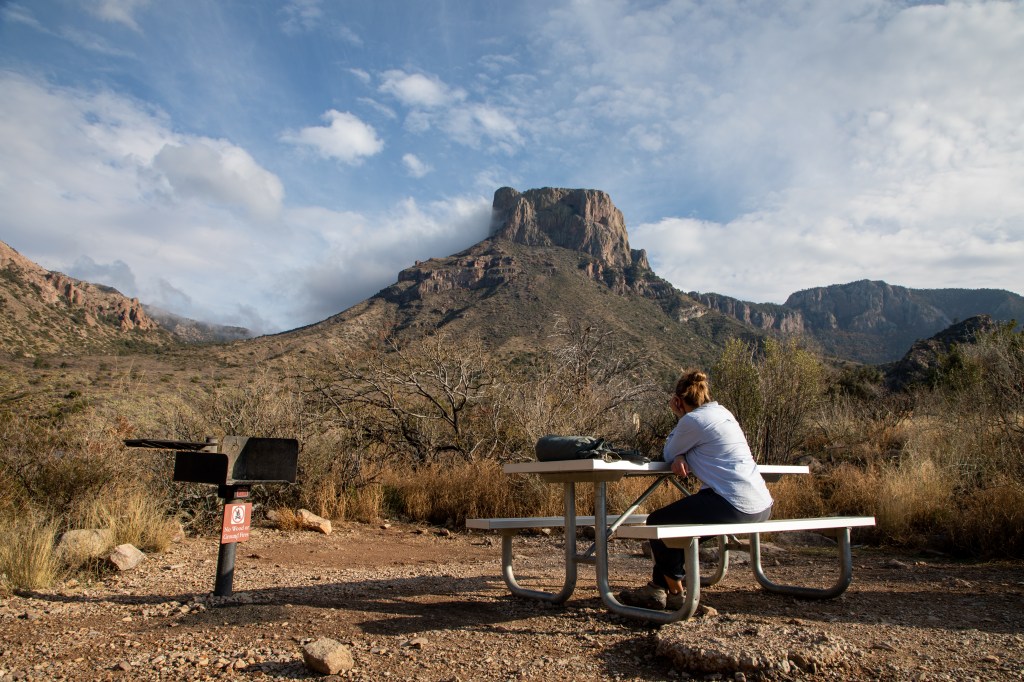
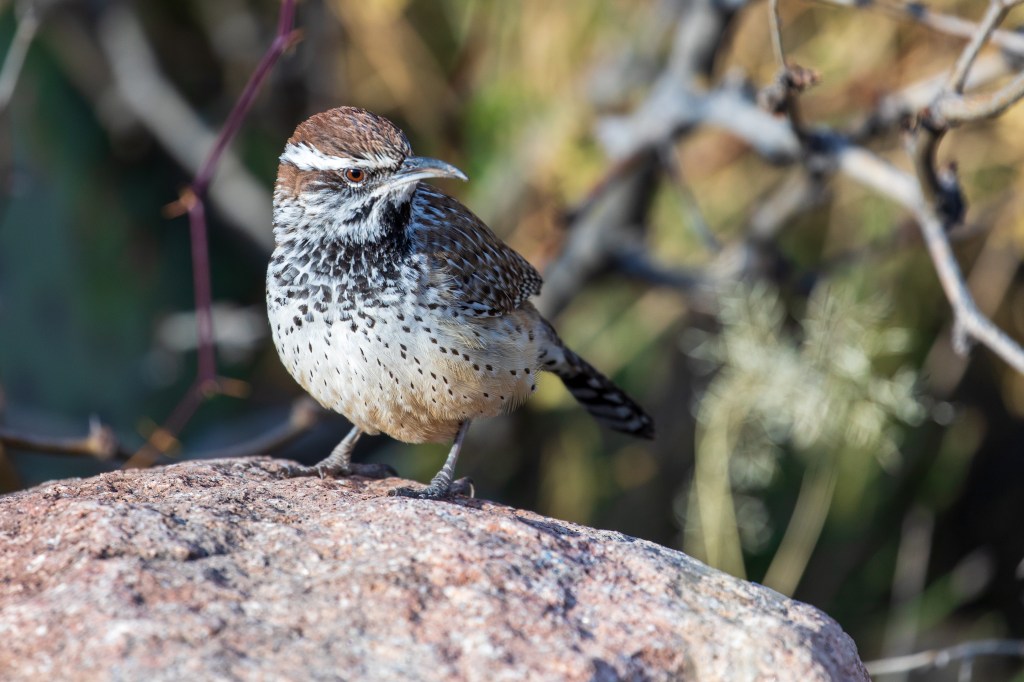
Abbey and I got the last campsite available in Chisos campground for the night. I don’t know why it wasn’t taken; it was isolated from the other sites and probably had the best views in the whole campground. As Abbey and I sat taking in the views, Cactus Wrens flew into the site, kicking up the ground and eating little bugs.

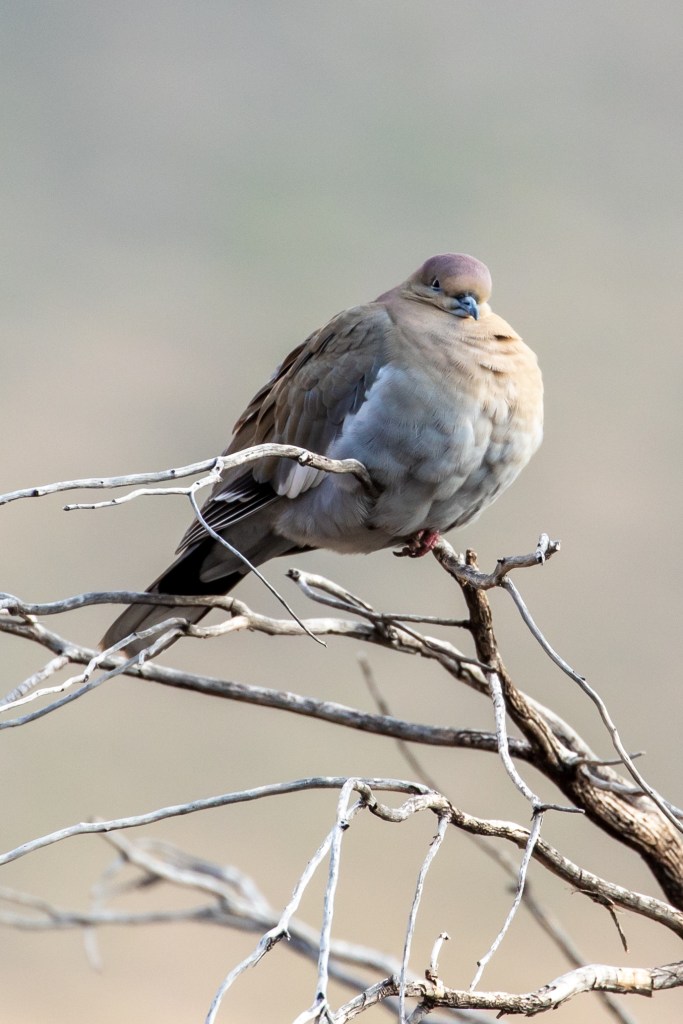
It was chilly in the evenings, with temperatures dropping into the 30’s. This White-Winged Dove was fluffed and content.
The Havard Agave, also called the Century Plant, grows for years, slowing storing water and energy. Then, in a great final show it blooms magnificently, with the flowering stalk reaching 15 feet in the air. After having spent all it’s energy, the plant dies.

Big Bend is a National Dark Sky Preserve. The park is 100 miles from the nearest city, and it shows. These are the best stars I have ever seen in my life. You don’t realize how bad and ubiquitous light pollution is until you see what the sky is supposed to look like.

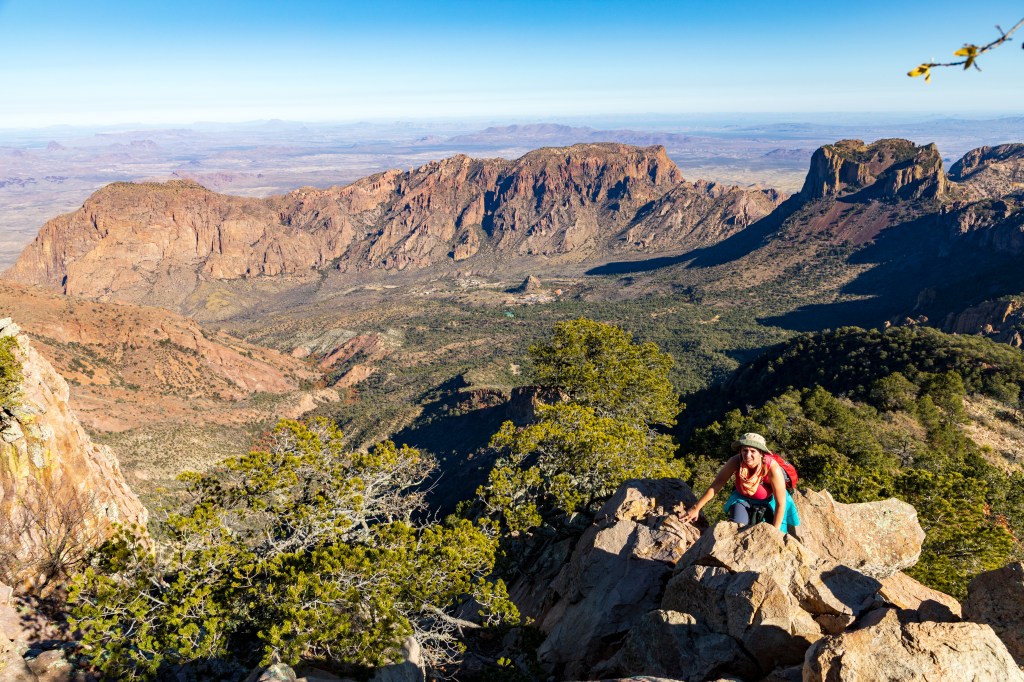
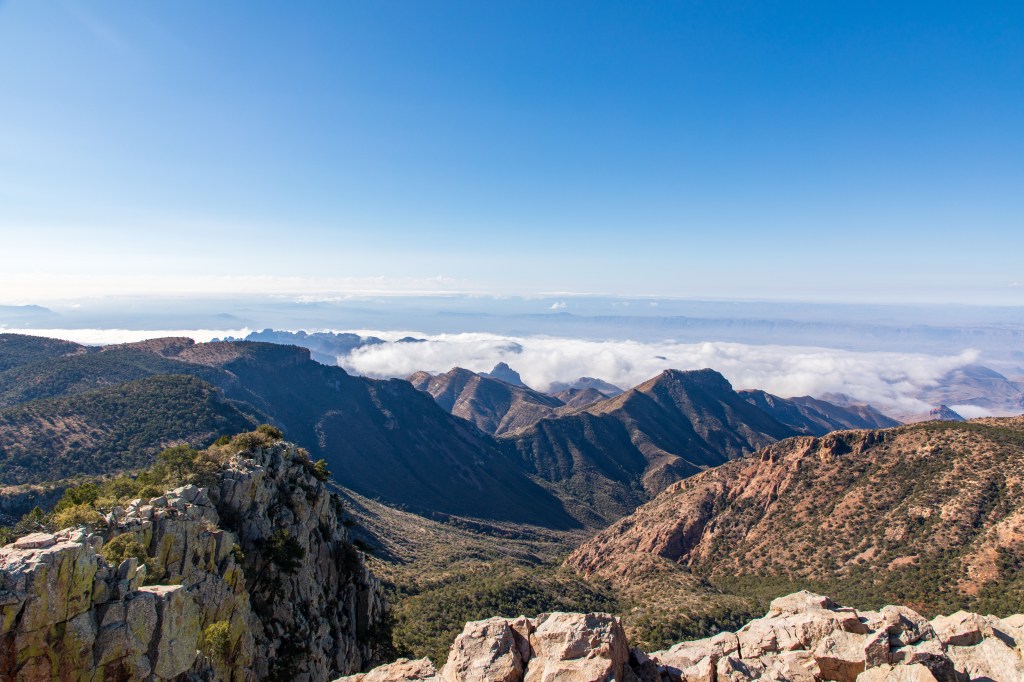
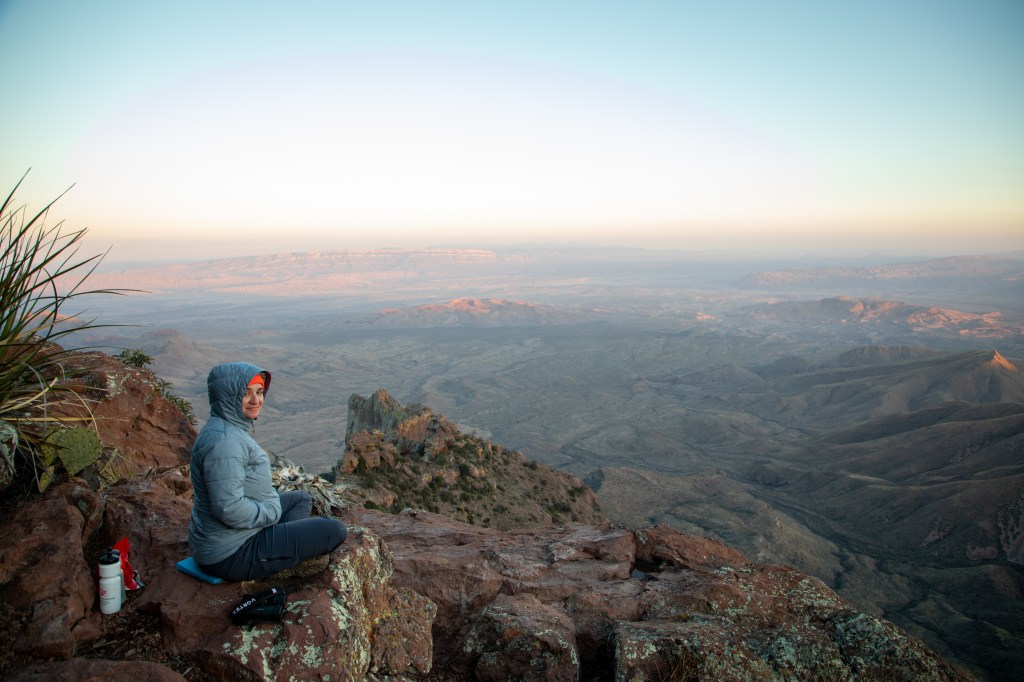
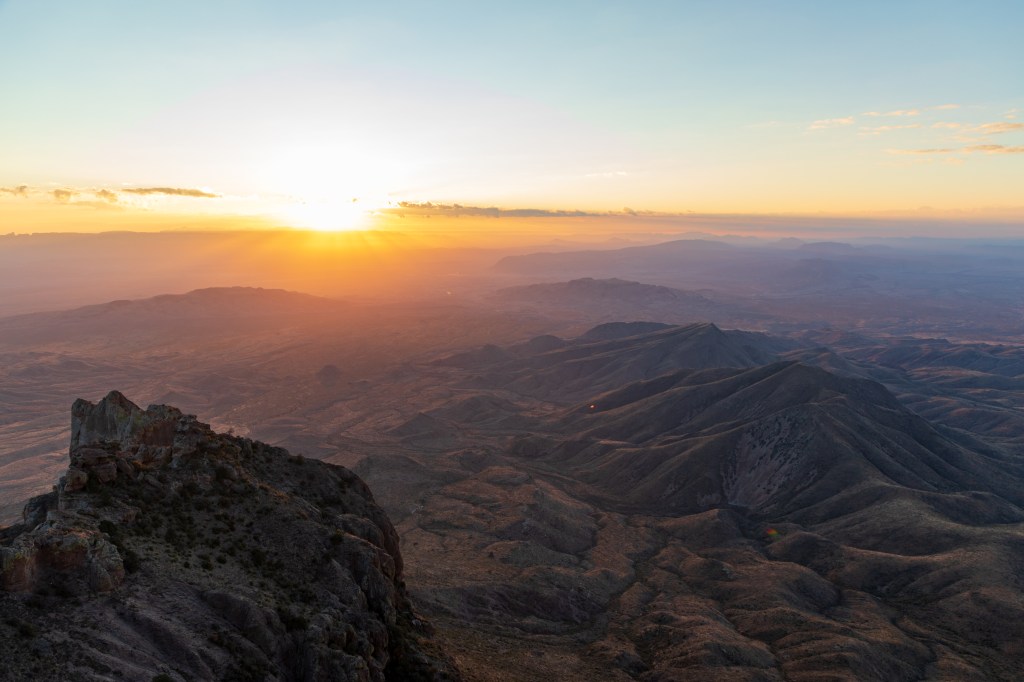
Abbey and I did some backpacking in the Chisos Mountains, including a summit of Emory peak (7,825’). The last 100’ of the summit trail requires scrambling and is mildly treacherous. There are a couple places where a misstep could mean death, so don’t misstep. The views are worth it, though; this is the highest mountain in the Chisos range and the highest in the national park. We could see a mountain range that was 136 miles away on the horizon.
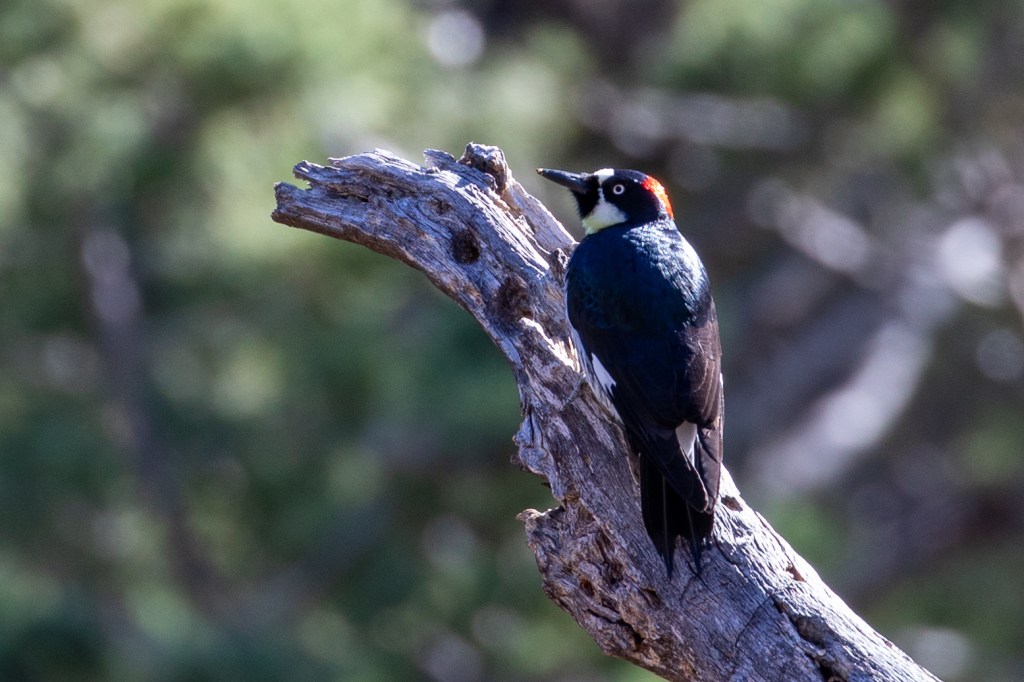
Acorn woodpeckers are highly social and talkative. They’ve been known to hoard thousands of acorns in their secret hidey places.
When Abbey and I were getting our backpacking permit, one of the campsites we asked for was incorrectly entered by the park staff. When he realized his mistake, we said we’d just take it even though it meant a few more miles of hiking. As it turns out, this was a wonderfully lucky mistake; the campsite had legendary views and no neighbors. We ate our dinner and breakfast out on a ledge, 2,000’ above everything, looking 100+ miles out into the horizon and Mexico. Woah.
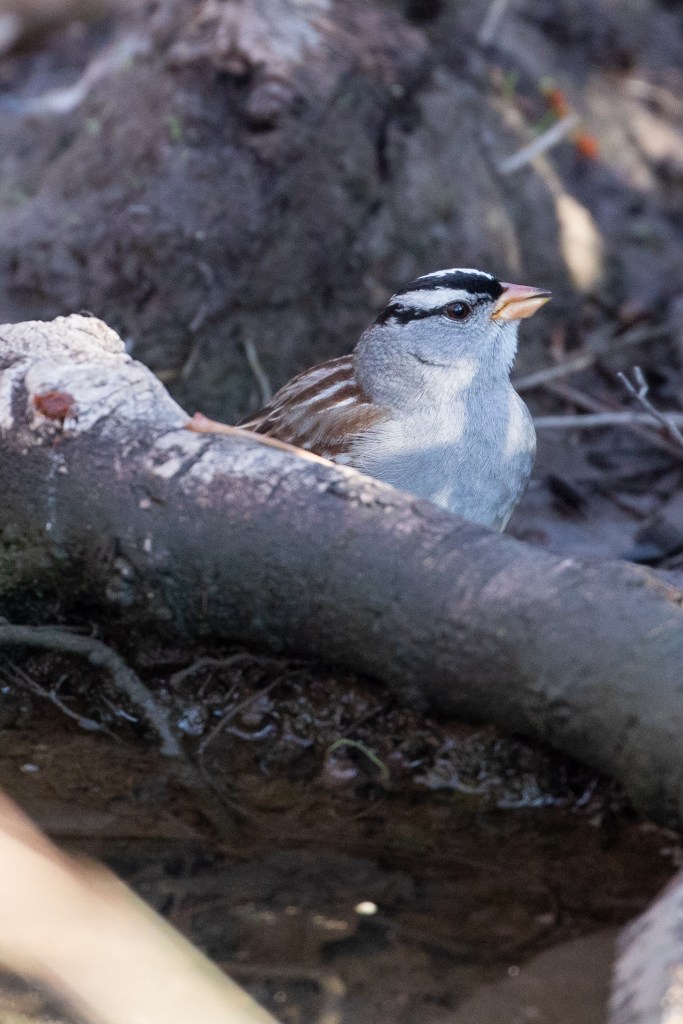
Water is scarce in the desert, so Abbey and I would sit and wait when we found some to see who would show up to drink. This White Crowned Sparrow was thirsty.
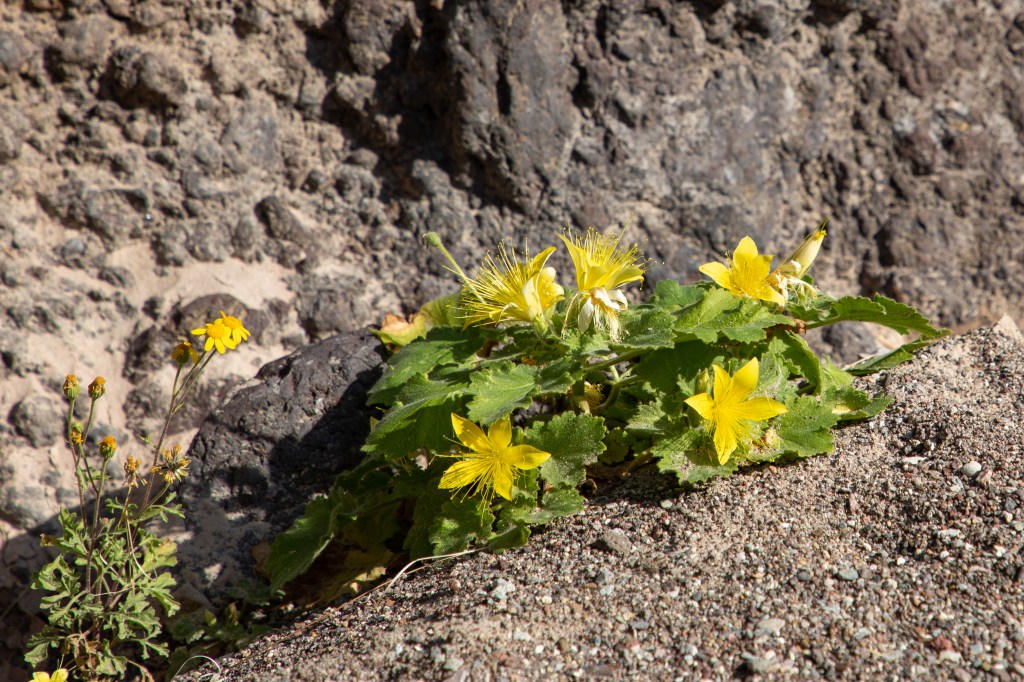
Flowers in the desert like this Rock Nettle don’t necessarily bloom in any one season. They bloom after rain when they have enough energy stored to support the flowers.
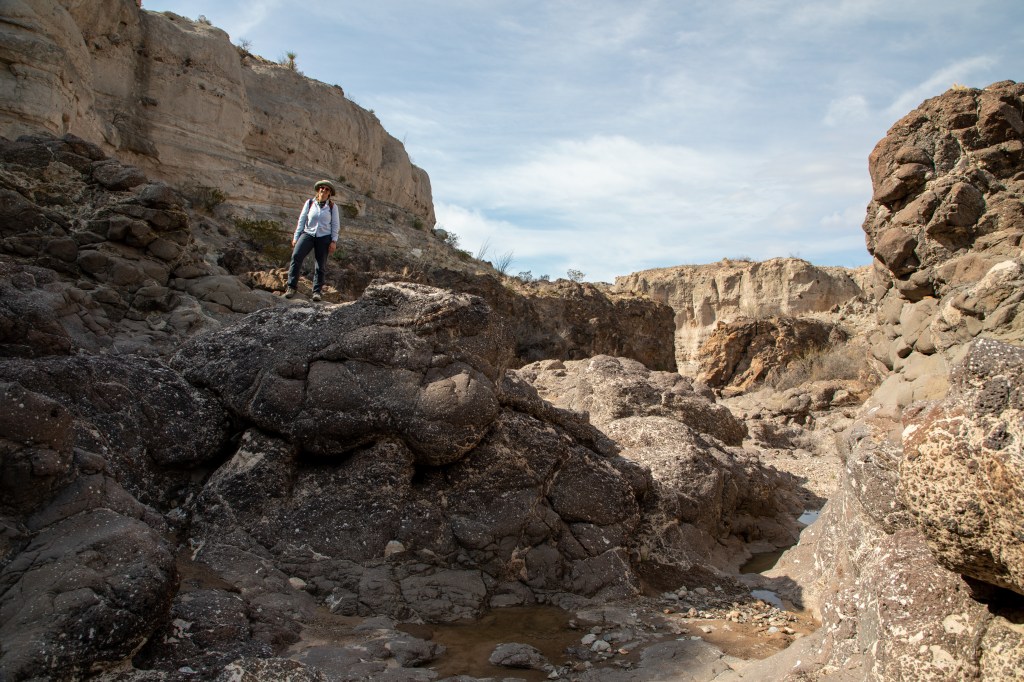
Abbey put on her geology hat to explore this eroded arroyo that revealed volcanic rock.
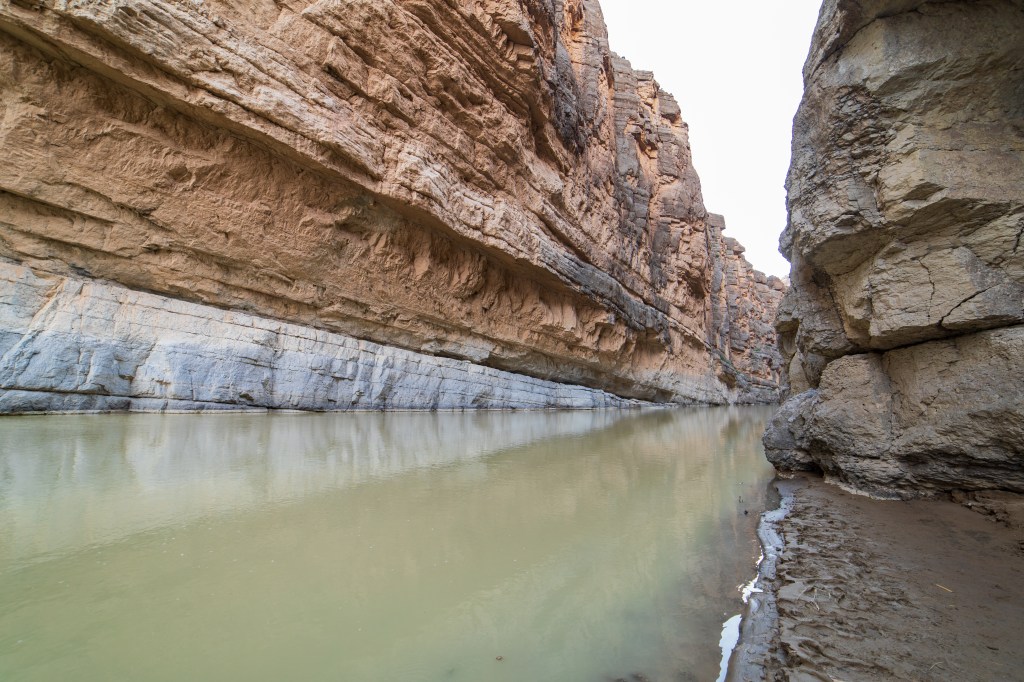
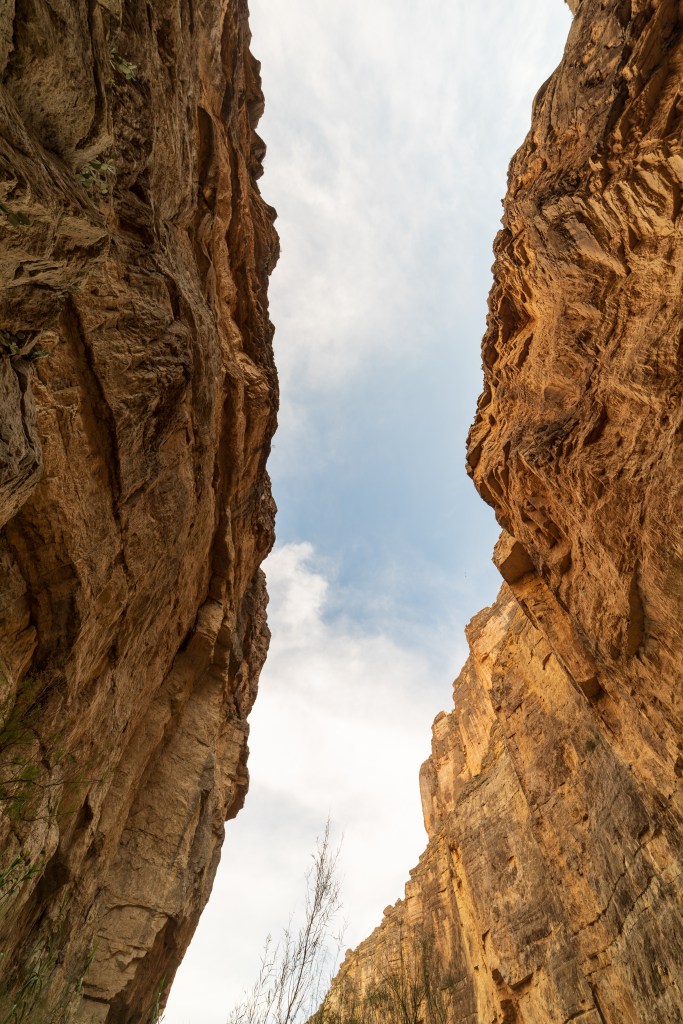
Santa Elana Canyon is 1,500’ deep but imperceptibly narrow – only 30’ at places. One sheer rock wall is the United States, the other Mexico.
Big Bend has primitive backcountry sites located along old unpaved roads that you can drive too. We spent two nights doing these backroads with Evelyn. The sign posted said 4×4 required, but when we spoke with a Park Ranger to get our permit, she was excited to hear we had a Vanagon. She gave us some tips, told us what roads to avoid, and said we wouldn’t have a problem. We didn’t. The roads were rough in places but Evelyn did fine.
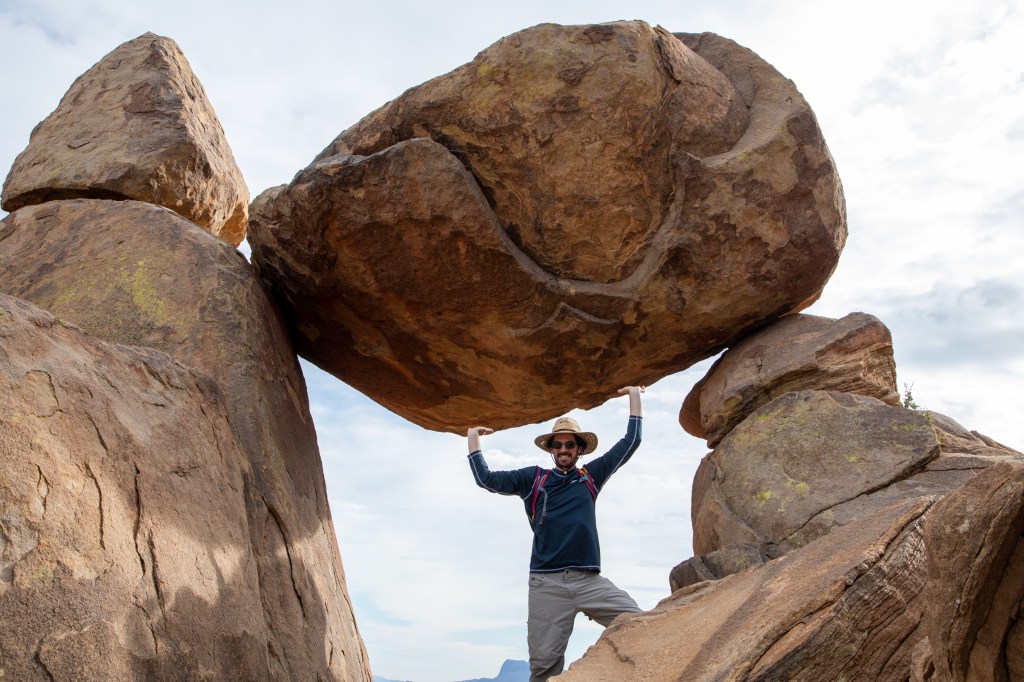
Balanced Rock is just that. Seeing oddities like this is always fun, and it makes you wonder how long it’s been like that and when it will fall. Standing under it, I hope it’s not today.
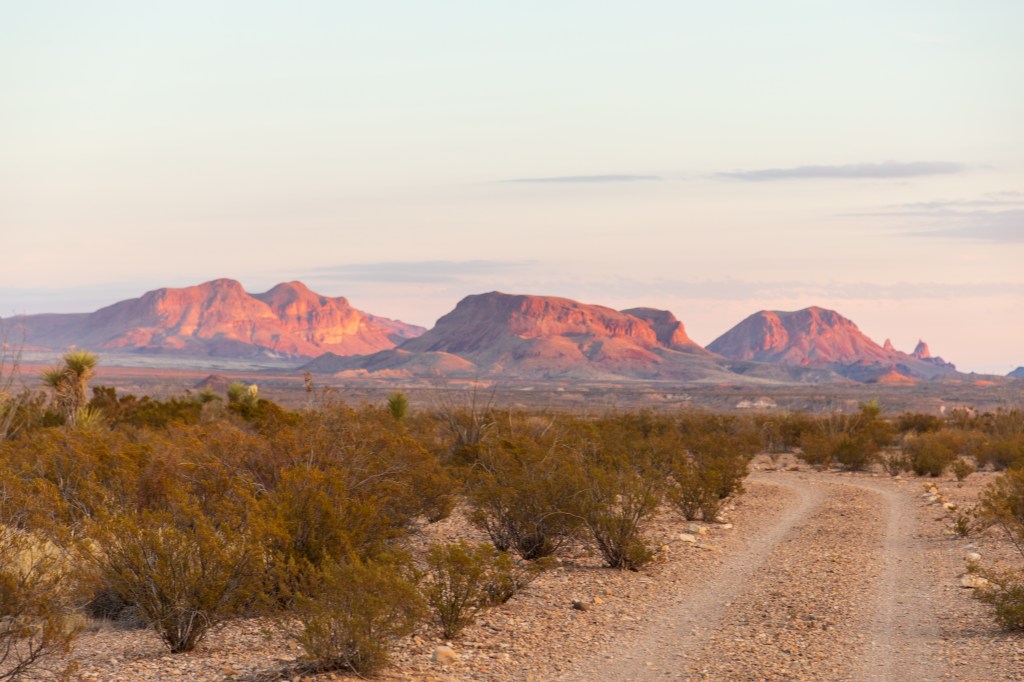
If you ever get the chance, Big Bend is worth the visit. It’s on par with the likes of Yosemite, Yellowstone, and Glacier, and probably the only reason it’s not more heavily visited is due to its remoteness. In my opinion, that’s a plus.

Cheers!
 Hardway Travels
Gorgeous photography! Absolutely awesome park!
LikeLike
Awesome photos & descriptions!! Good girl, Evelyn!!! 🎼I’m an old cowhand,🎶 from the Rio Grande🎵🎶!!
Yippie-i-o ki yay, guys!!!!
LikeLike
ICE will be contacting you shortly.
LikeLike
Coming back into the U.S. was weird. You go see the on-duty park ranger, and then you call border patrol out of El Paso. They ask if you brought anything, and that was the extent of it. The whole thing took like 20 seconds.
LikeLike
Awesome!
I for one await the return of our squid overlords.
LikeLike
I want to climb into your photos, especially the foggy one and that endless starry sky.
LikeLike
Thanks! I love taking the star pictures but they’re tricky and it’s been so cold and windy at night here I haven’t done as many as I want.
LikeLike
I love your pictures. They are spectacular!
LikeLike
Thanks!
LikeLike
This is your best posting yet, really amazing stuff Robert!
Perhaps you should submit your completed works to discovery channel or Netflix when your done. Take this worldwide and get funding. You don’t see a ton of husband and wife adventure shows.
LikeLike
Haha, that’d be cool for awhile but eventually Abbey and I want normal lives again.
LikeLike
Wow that place looks amazing
LikeLike
That was an amazing post! I had no idea roadrunners were more than a cartoon character. Chris smirked when I exclaimed “roadrunners are real?!”. Whoa, I had no idea the Big Bend was so spectacular. The photos made my heart soar. I felt the air catch in my chest. Oh and I am so proud of the foray south of the border. May I join you guys next time?
LikeLike
Abbey and I so very much enjoy your enthusiasm; we’re excited for your visit!
LikeLike