Congaree to Beaufort, SC

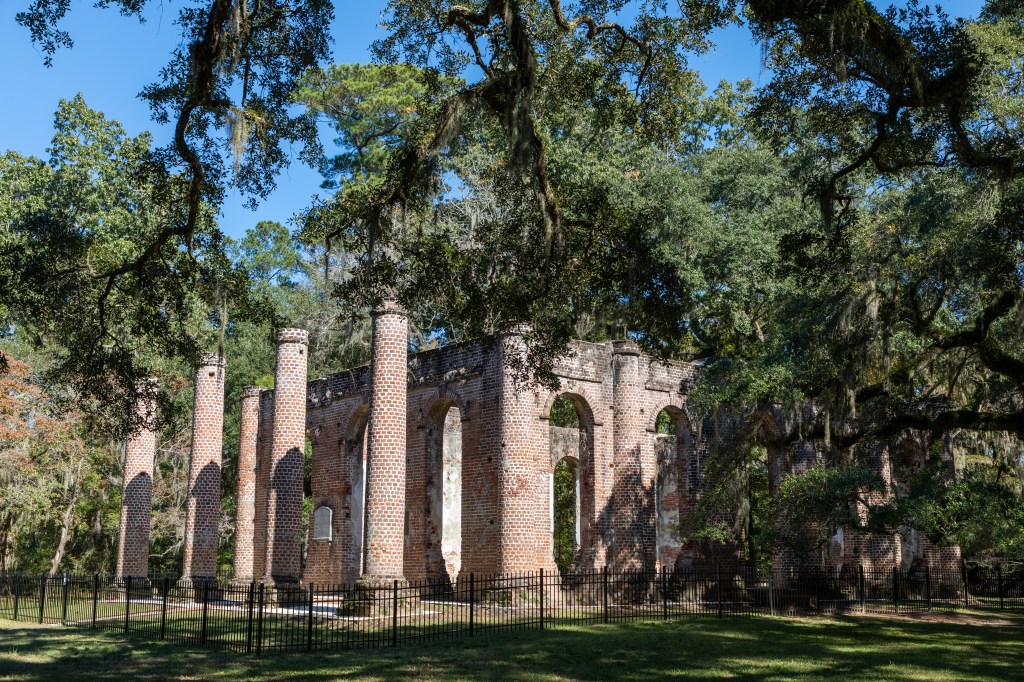
After Congaree we visited the Sheldon Church ruins outside of Beaufort. The church was originally built in 1751 but was burned by Loyalists in the Revolutionary war. It was repaired in 1825 but then was partially dismantled by local freedmen at the end of the Civil War. The ruins are surrounded by tremendous Live Oaks.
Beaufort South Carolina is full of history, architecture, and old Live Oaks. The Live Oaks in town are protected, and homeowners can be fined $10,000 if they were to trim one without permission. Unfortunately, none of these Live Oaks are even that old – over 95% of the Live Oaks in the coastal Carolinas, Georgia, and Florida were chopped down for ship building in the 1700’s. Very few trees older than 300 years remain.
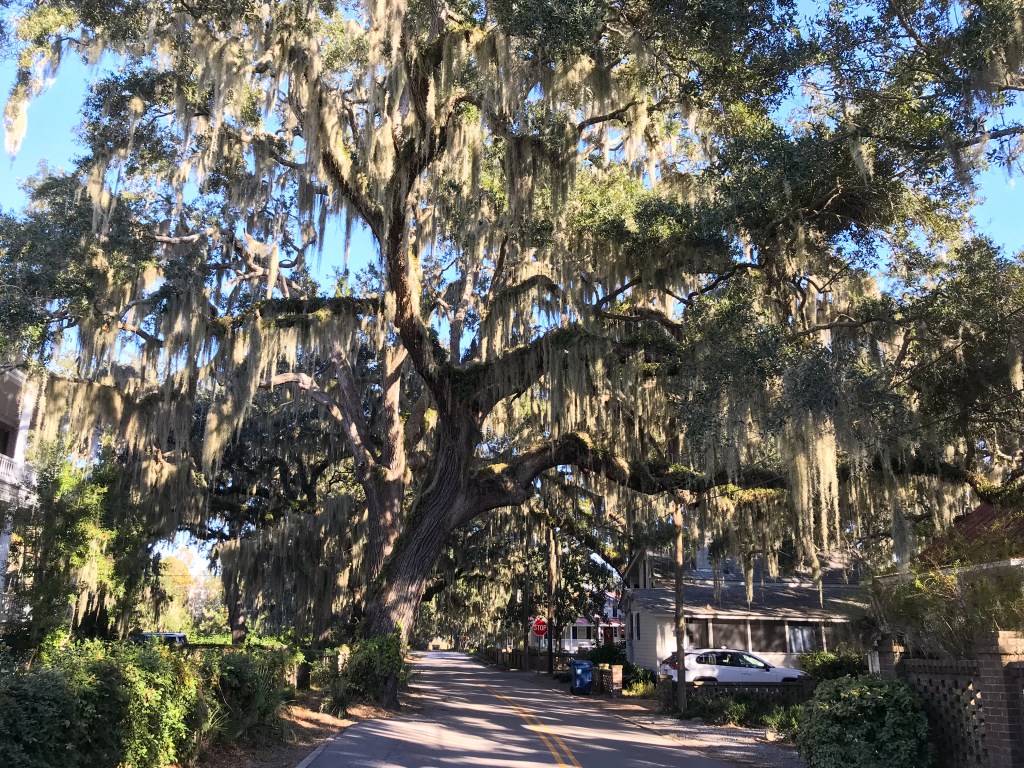
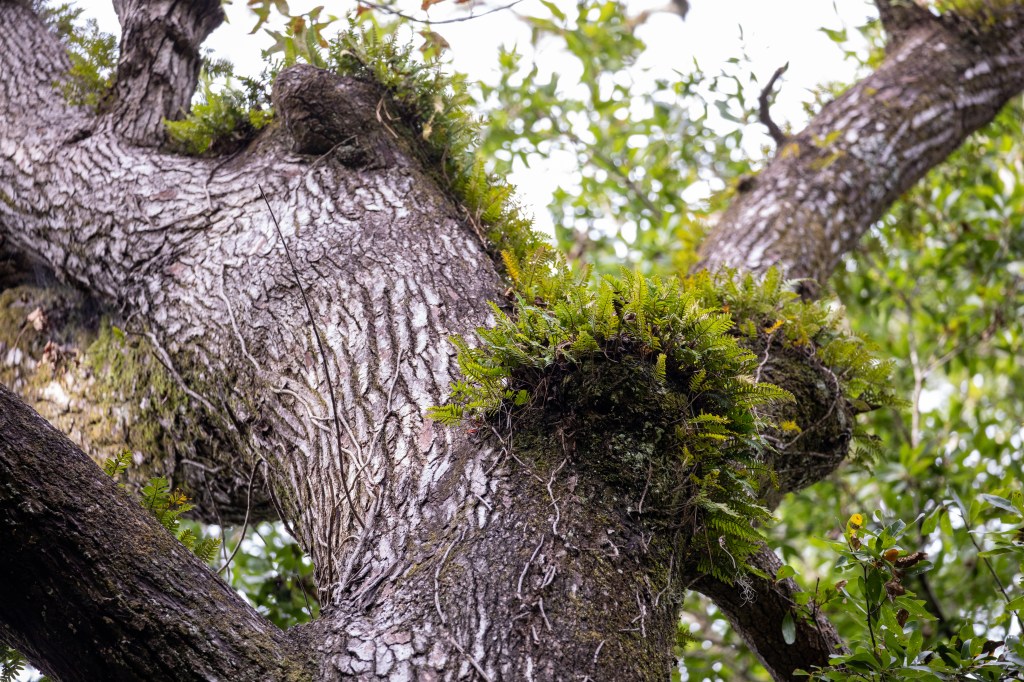
Spanish moss is not a moss or a lichen, but a flowering plant more closely related to bromeliads like the pineapple. It’s an epiphyte that gets all of its water and nutrients from the air – not from the host plant it grows on.

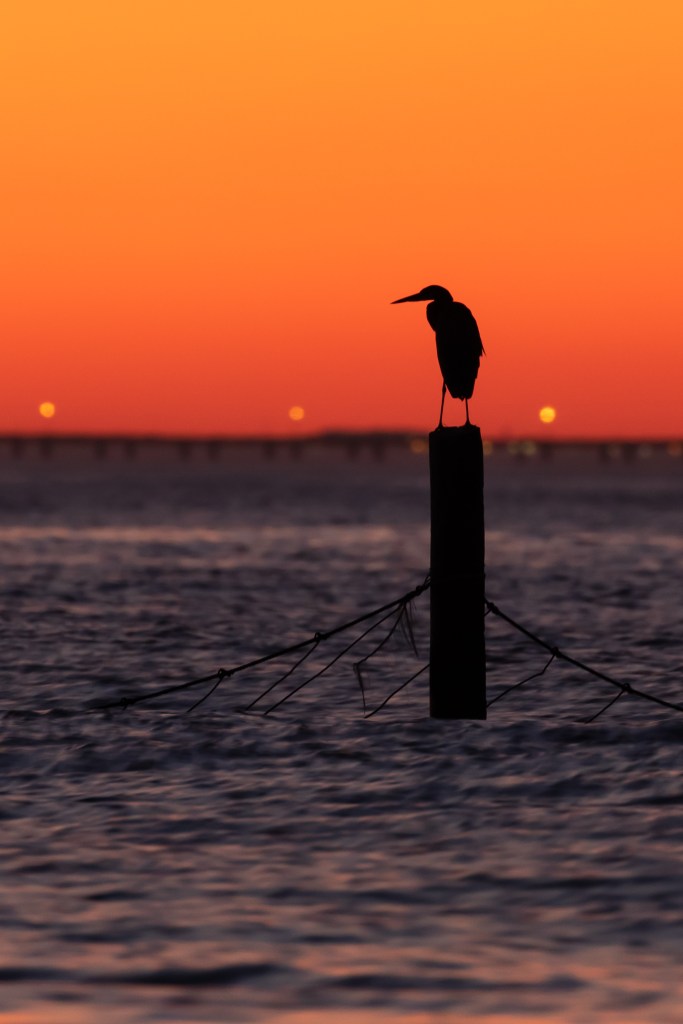
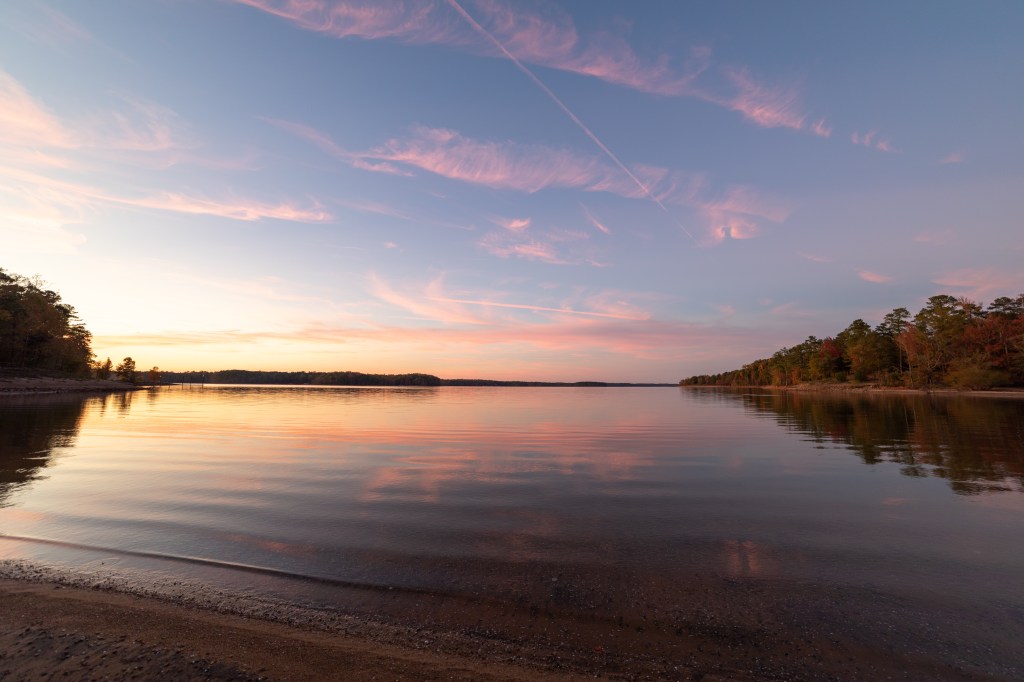
Hunting Island State Park is fancy, with granite countertops in the bathrooms and a hefty $56/night price tag. Evelyn didn’t quite fit in with the more typical luxury campers – Airstreams towed by Land Rovers and gargantuan motorhomes with multiple outdoor TVs. The island is beautiful, though, with spectacular sunsets and sunrises and great bird life.
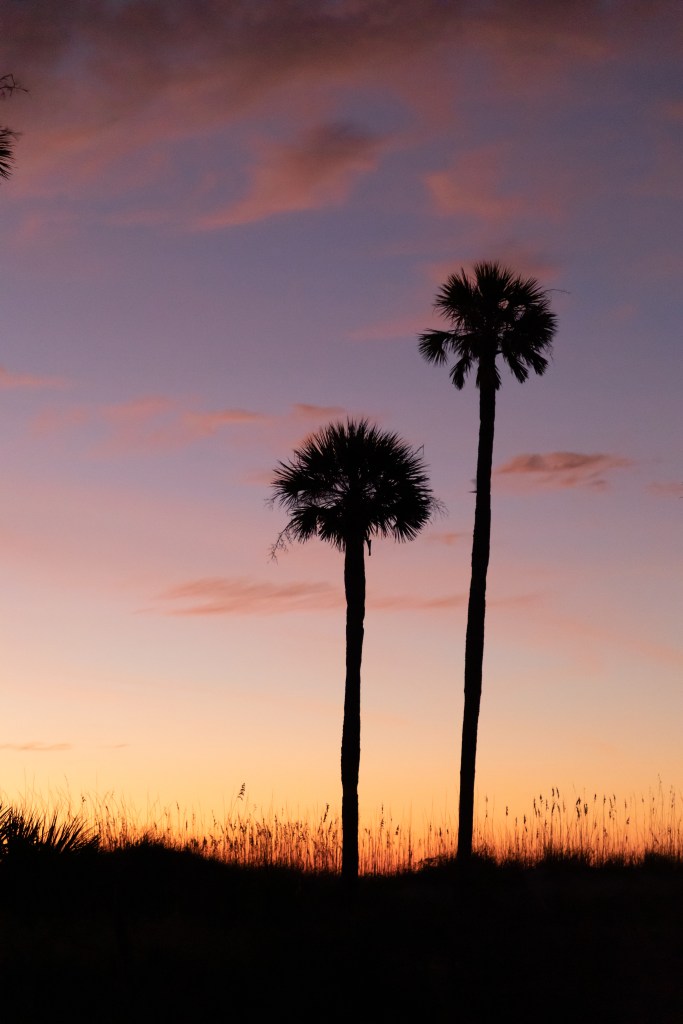
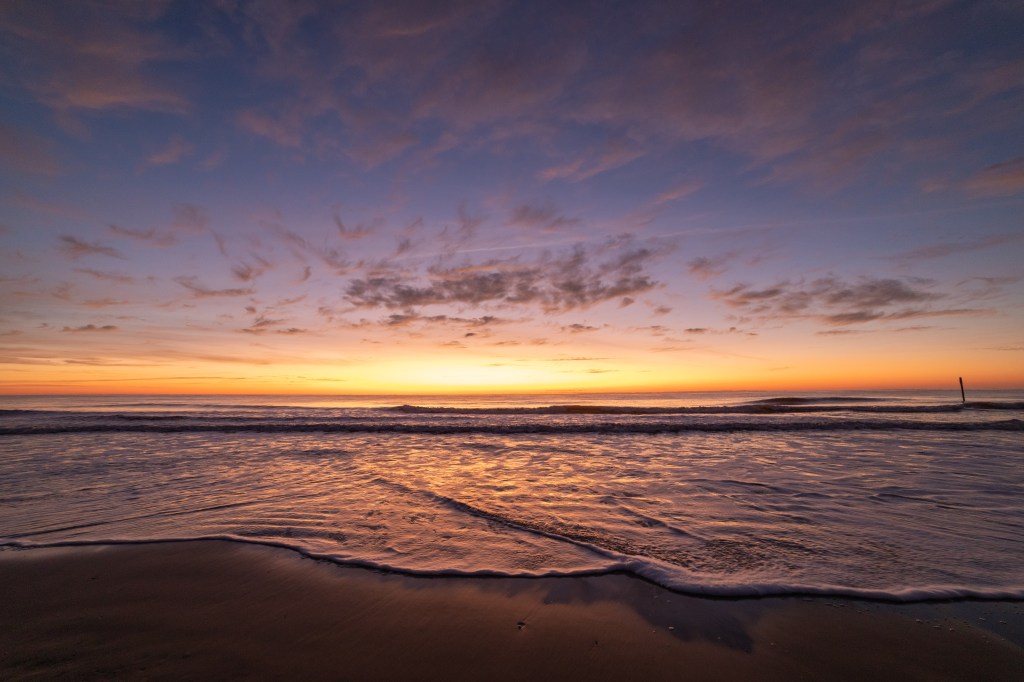
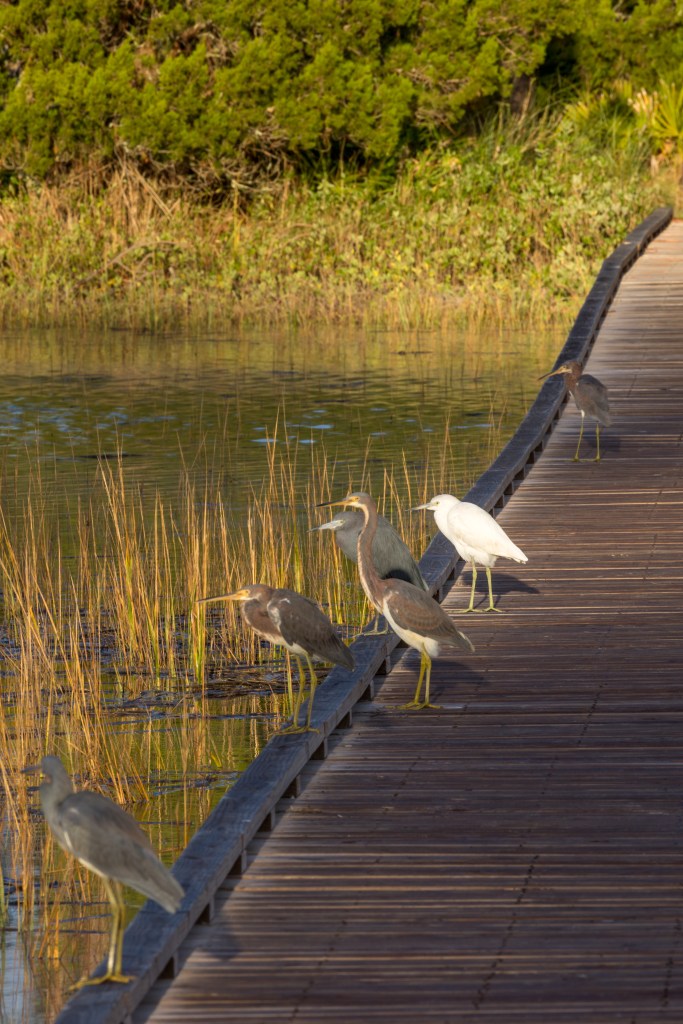
Evidently the boardwalks double as great fishing spots.
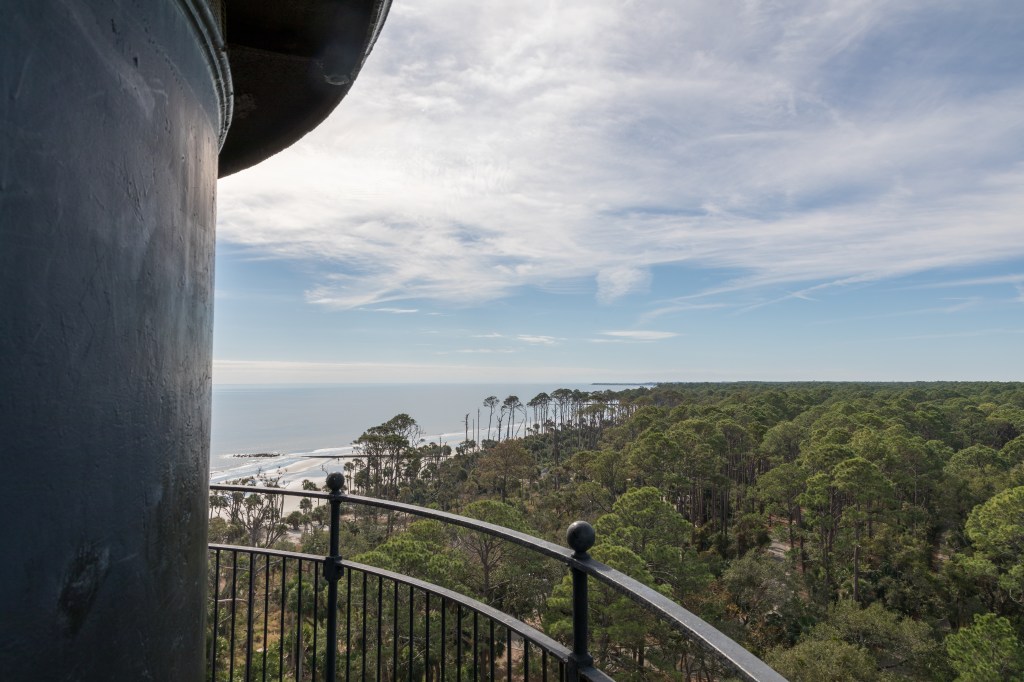
The Hunting Island Lighthouse was originally built in 1857 but was destroyed by Confederates in the Civil War. It was rebuilt in 1875 and then moved in 1889 due to the changing barrier island.

Lighthouses have different blinking patterns so that ships know which lighthouse it is. Hunting Island lighthouse had a 30 second flash pattern, visible from 18 miles away, accomplished by a spinning metal plate that rotated around the lens. The mechanism worked much like an old clock, with large metal weights hanging down the inside of the lighthouse that periodically had to be wound up.

Cheers!
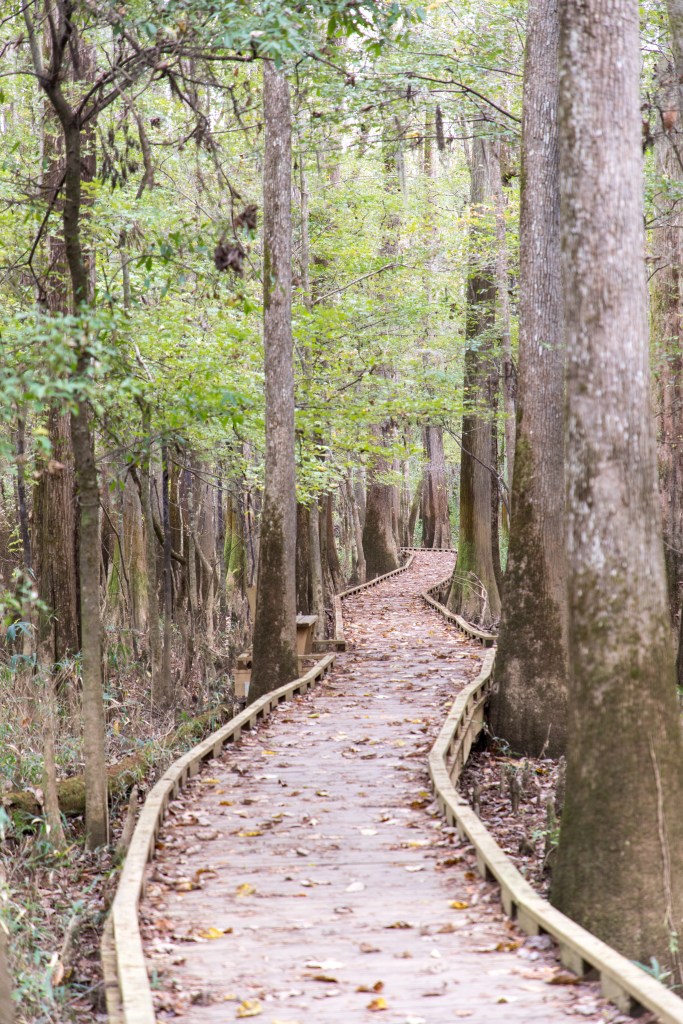
Congaree National Park

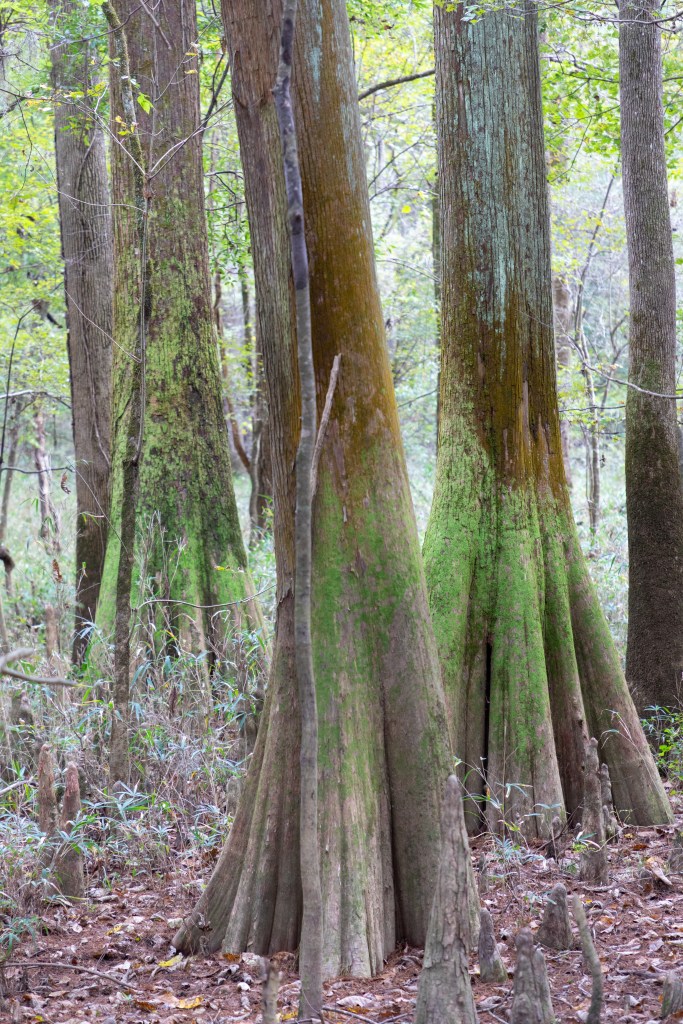
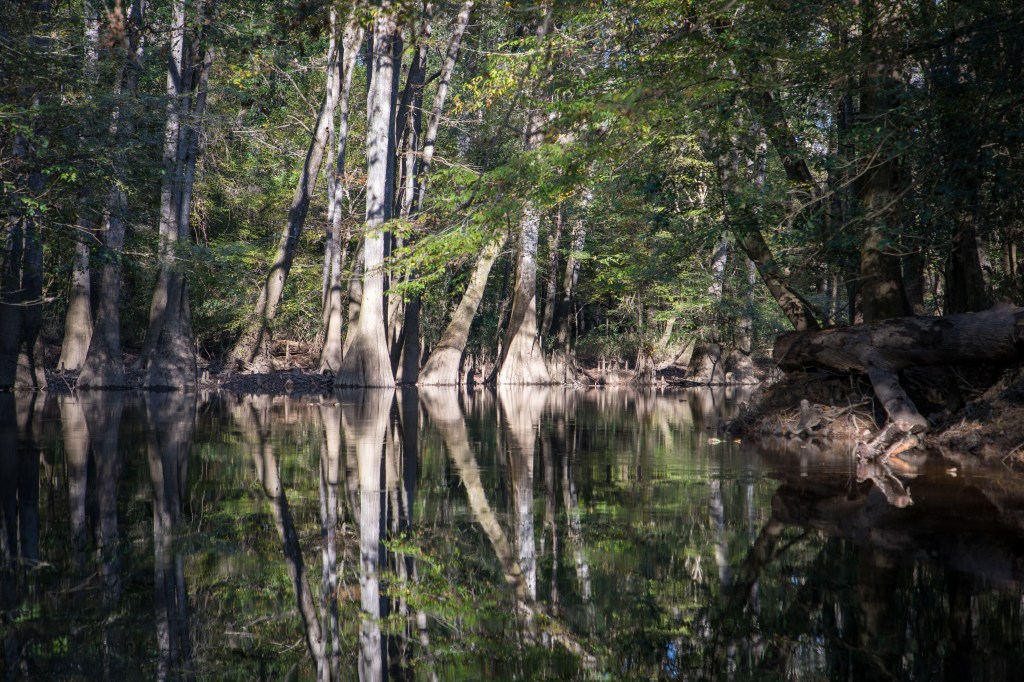
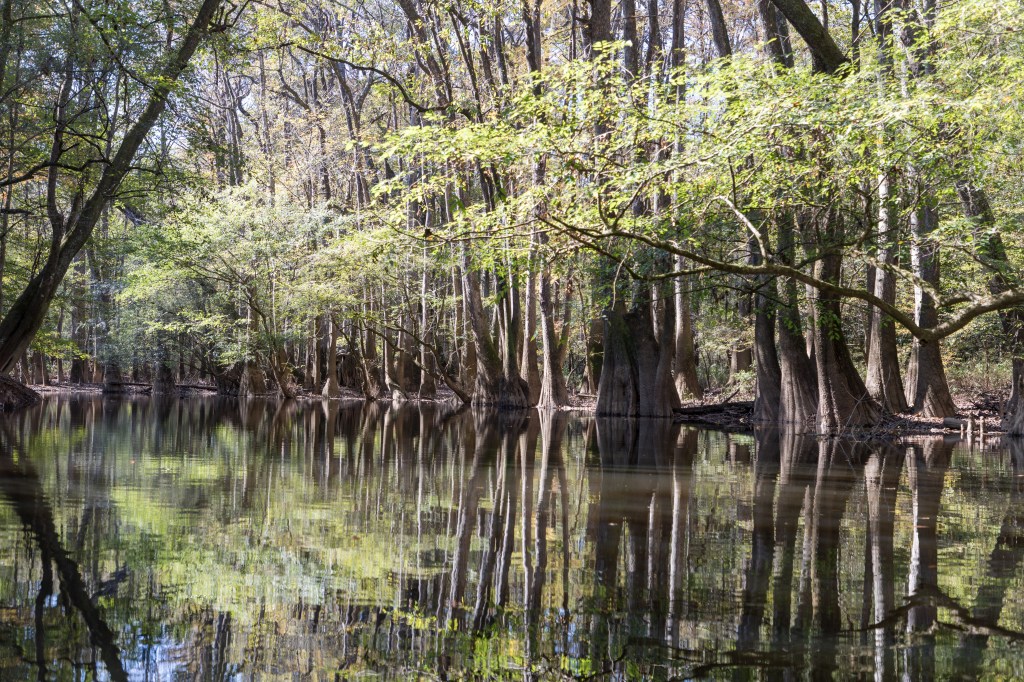
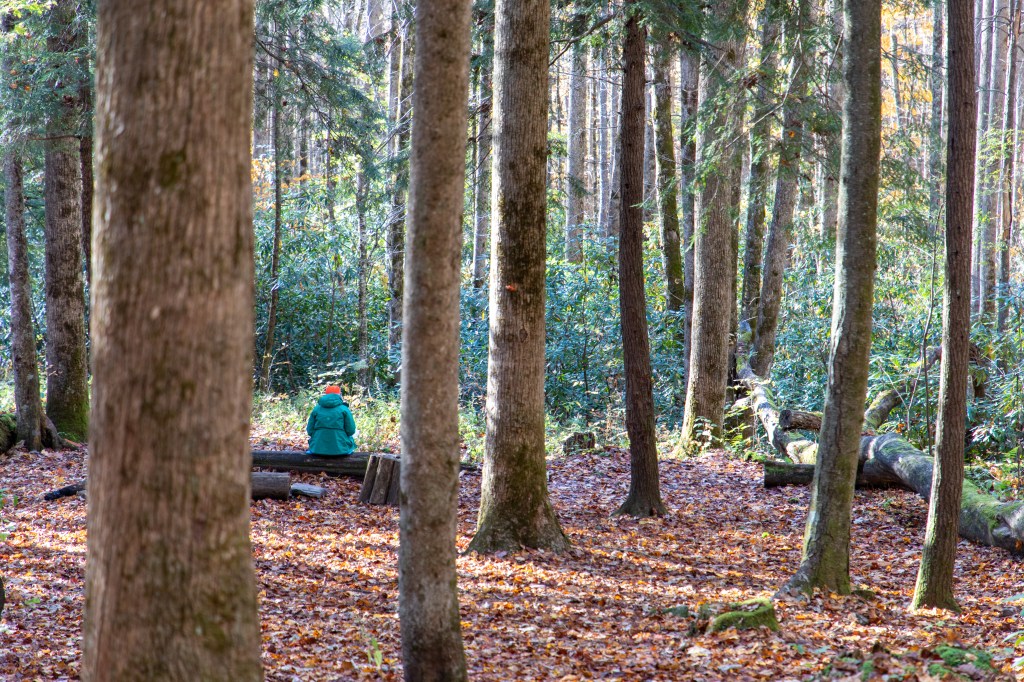
Congaree received the National Park status in 2003, and I think it’s well deserved. With an average mature tree height of over 130 feet, and many trees like the Bald Cypress and Loblolly Pine reaching North of 150 feet, it’s hard to keep from falling off the boardwalk as you strain your neck upward. It’s the largest expanse of old growth bottomland hardwood in the Southeastern United States, and is one of the highest temperate deciduous forest canopies remaining in the world. It has 25 champion trees, more than anywhere else in the United States. A champion tree is the tallest single tree yet found of it’s species. The Loblolly Champion Tree in Congaree is 167 feet tall.

Champion trees aren’t marked. If they were, people would go vandalize them. I generally dislike people.

The trees are so tall that they have their own little plants growing on them – entire ecosystems suspended one hundred feet in the air.

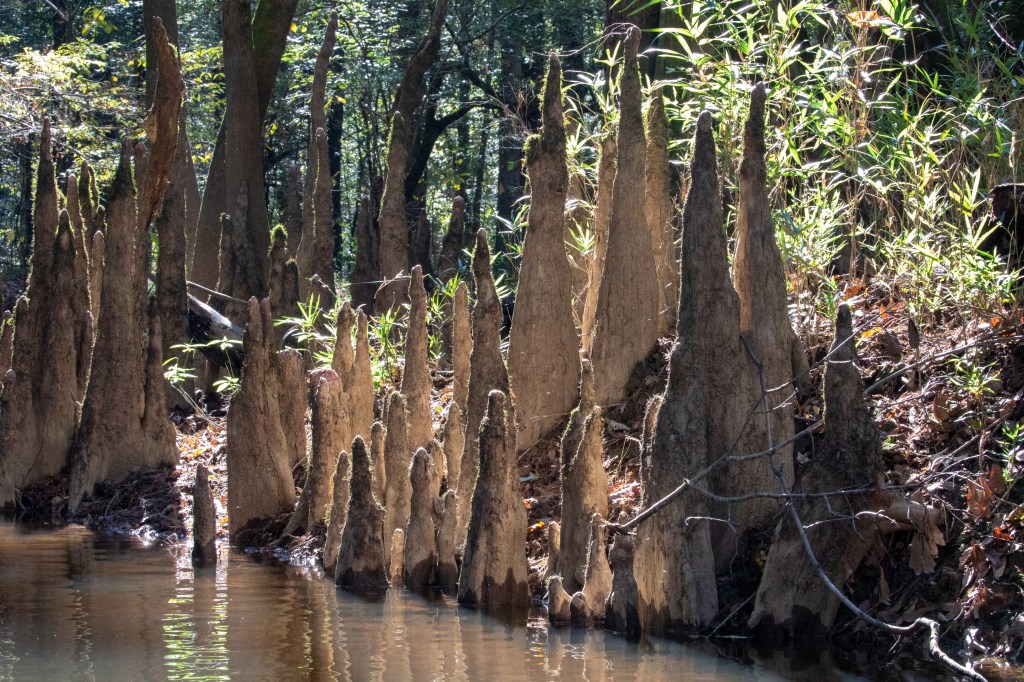
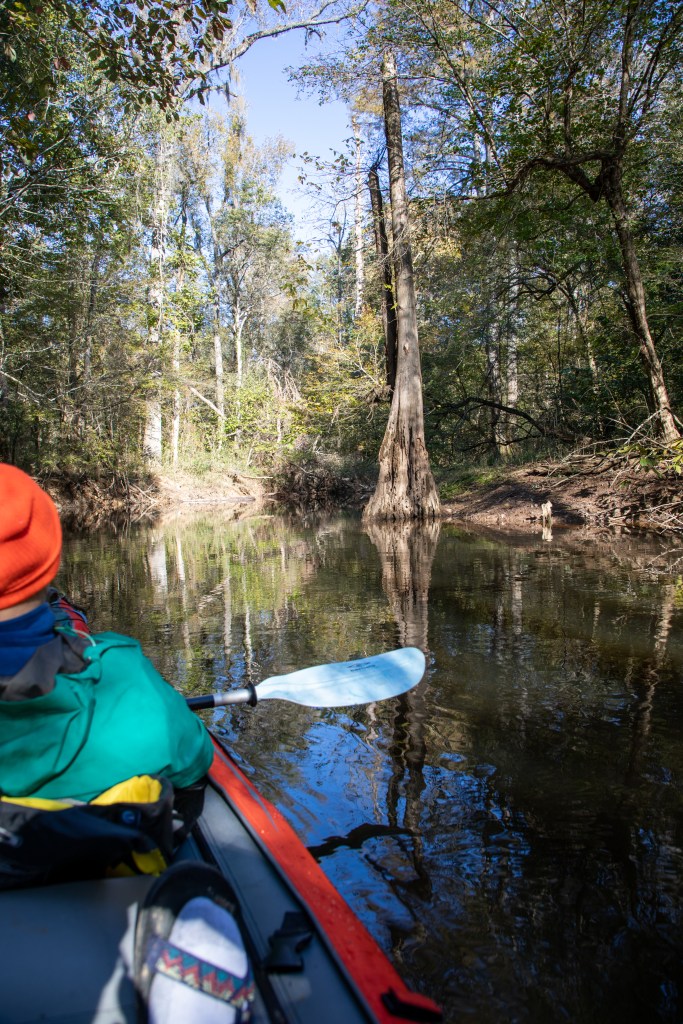
Abbey and I kayaked Cedar Creek, which was shockingly peaceful and quiet. There are supposedly Alligators in here, but it was unusually cold and I think they were all burrowed away somewhere.

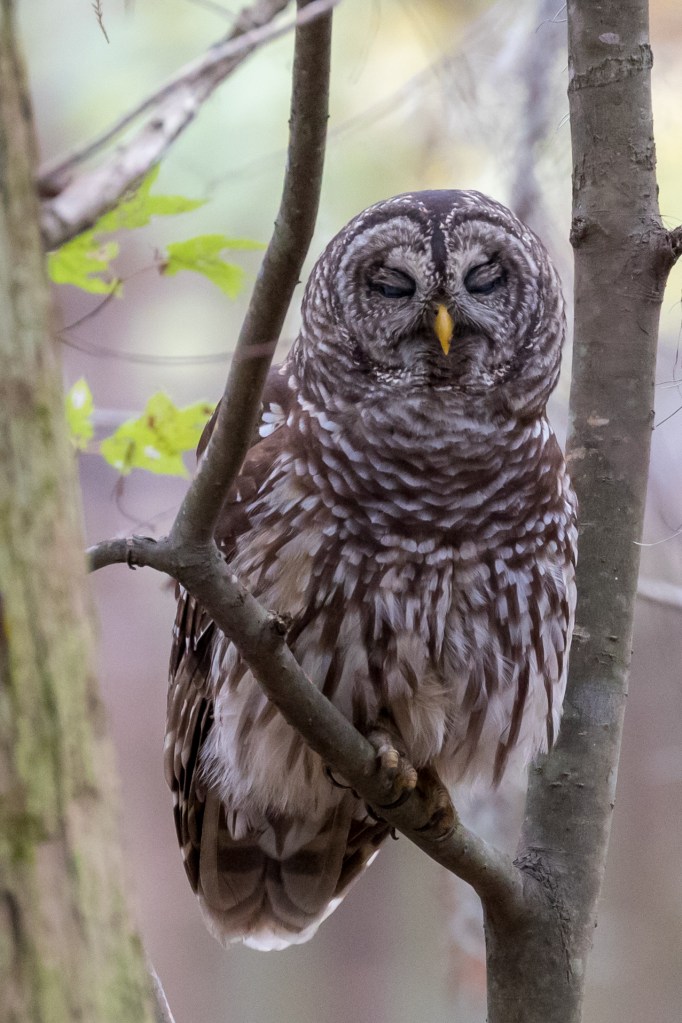
We saw much wildlife as well, including a Barred Owl who swooped down to catch and eat a crawdad. Afterward he appeared very satiated and happy.

Cheers!

Ninety Six and Nuclear

William Least-Heat Moon wrote Blue Highways, where he documents his travels across the United States in a van in the late 70’s. He has a peculiar affinity for etymology, and specifically, why towns are named the way they are. He went to the town of Ninety Six, South Carolina, and so did we.

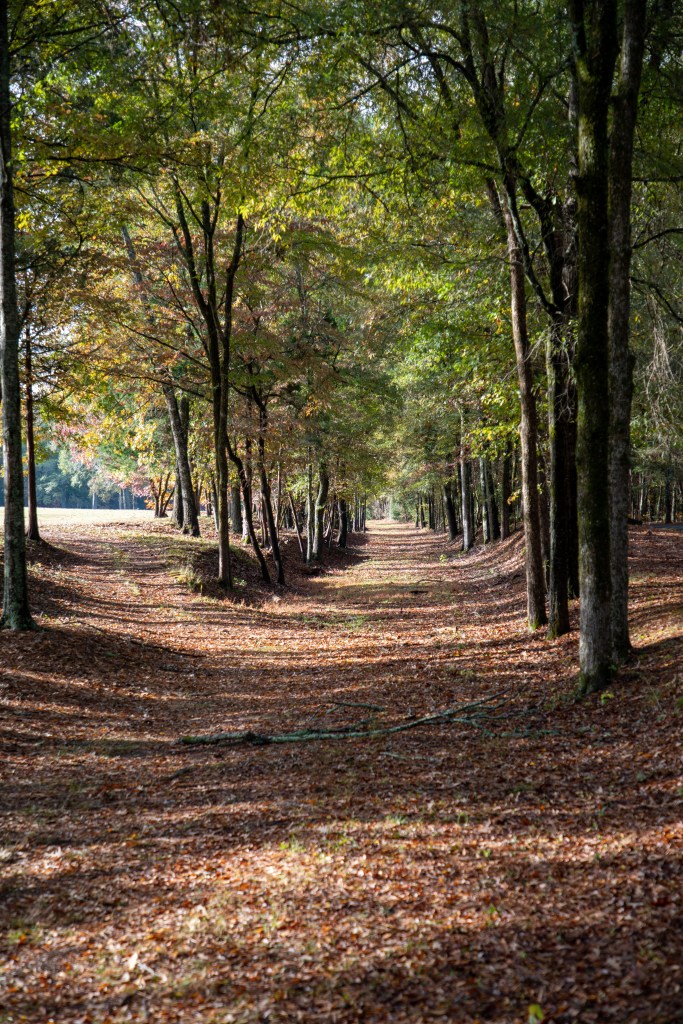
In 1781, General Nathanael Greene came to Ninety Six to attempt a siege on a Star Fort occupied by Loyalists. Unfortunately, he couldn’t get close enough in time (British reinforcements were on the way) so 50 men volunteered to charge the fort. 30 of the 50 were killed or wounded, and Greene ended up retreating. Ironically, Ninety Six was abandoned by the British shortly thereafter and they burnt it all to the ground on the way out. The remnants of the Star Fort earthen mounds and the siege trenches are still there.

Ninety Six was home to earlier battles, too. It was the site of the first land battle of the Revolutionary War outside of New England, and was also the site of numerous conflicts between early settlers and Cherokee Indians. All this strife is due to the strategic location along major trade routes of the time. And the name Ninety Six probably refers to the distance from Keowee, a large Cherokee trade center 96 miles away. But no one really knows for sure. The area was so well traveled that the old trade paths, walked for thousands of years, have become deep ruts in the ground still visible today.

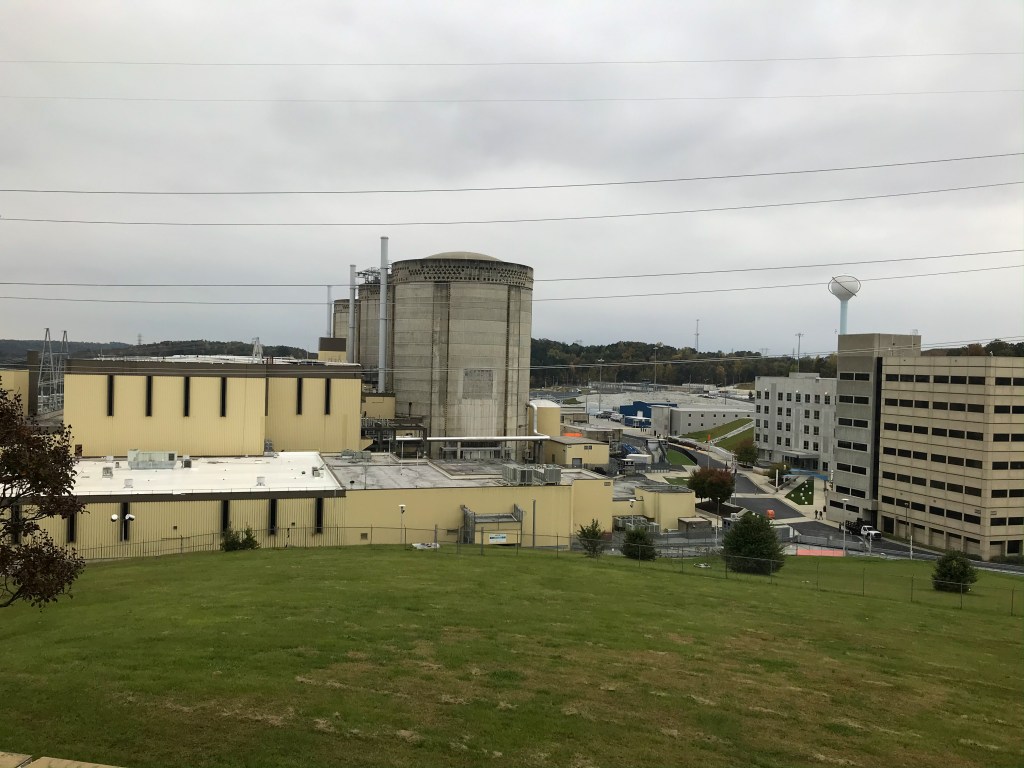
Oconee Nuclear Power Station came online in the early 70’s. There are three B&W PWRs on site, and no cooling towers. They circulate the dammed lake water instead. The “World of Energy” is the visitor center that educates about nuclear power and other energy sources, and it’s worth a visit if you’re passing through. I really enjoyed my time in Nuclear, but I don’t regret my decision to leave.

How is Ninety Six and Oconee Nuclear Station related? The major Cherokee trade hub, Keowee, was submerged when the river was dammed, and that reservoir is now what Oconee Nuclear takes its cooling water from.

Cheers!

Great Smoky Mountains National Park

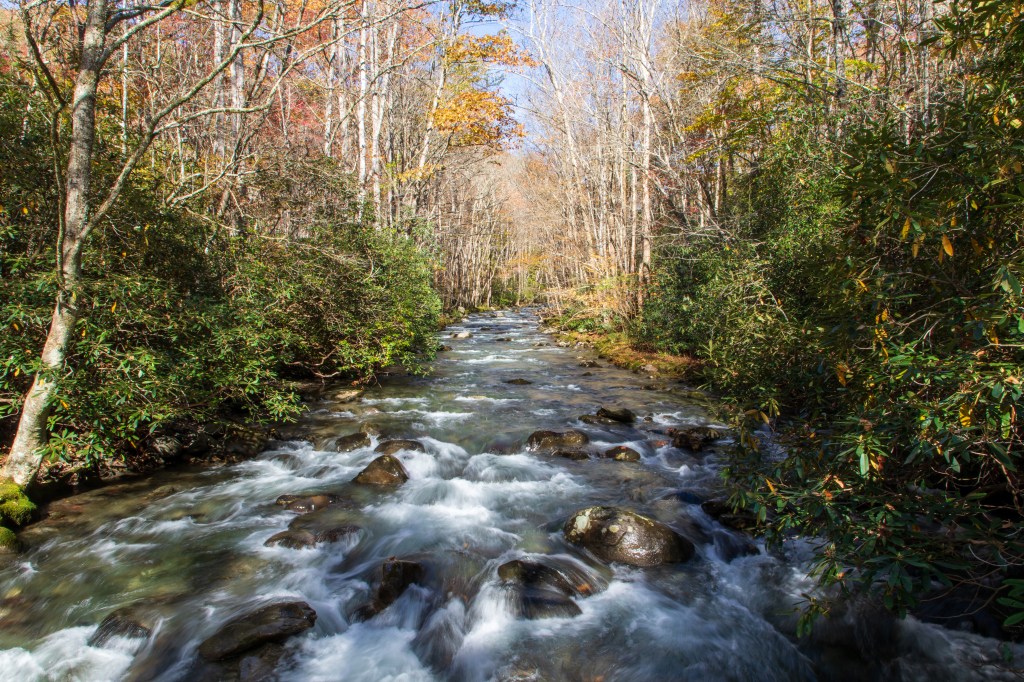
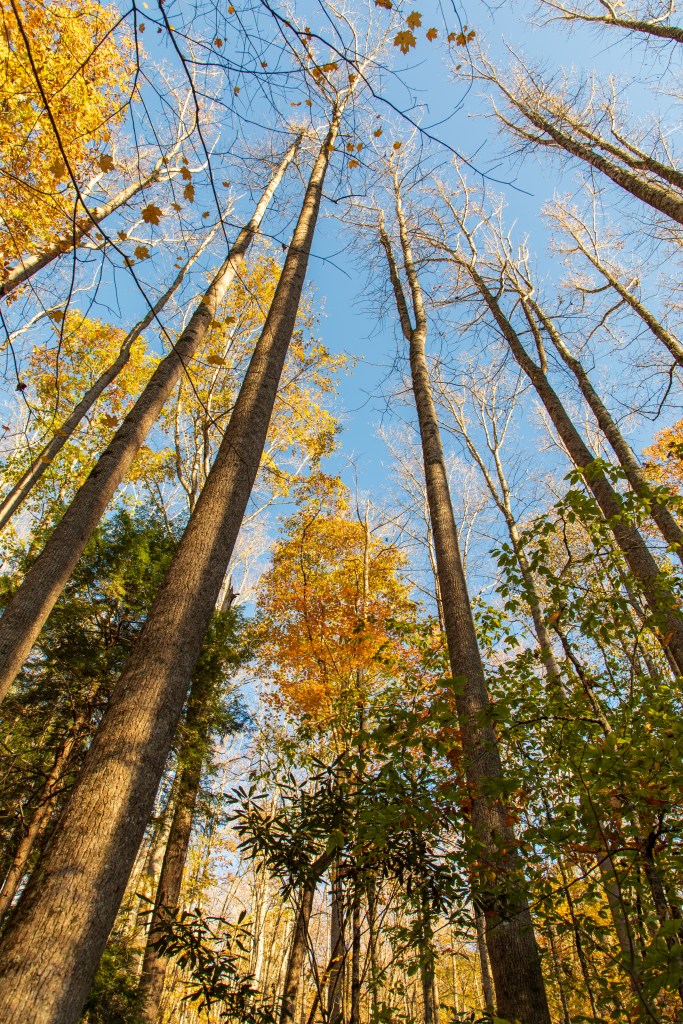
More people visit the Great Smoky Mountains than any other National Park in the country, and it’s easy to understand why (besides the fact that it is so close to many major East-coast cities). Diverse forests, towering trees, raging rivers, and plentiful wildlife make the Smokies unique. The diversity is attributed to the last ice age. As the glaciers pushed South across the Northern United States, they brought cold-climate plants and animals into the Smokies, which became the very southern edge of the glaciers. When the glaicers receded, they left the diversity, so now the higher elevations in the Smokies are more akin to Canadian-type forests, while lower elevations are more typical of the area.

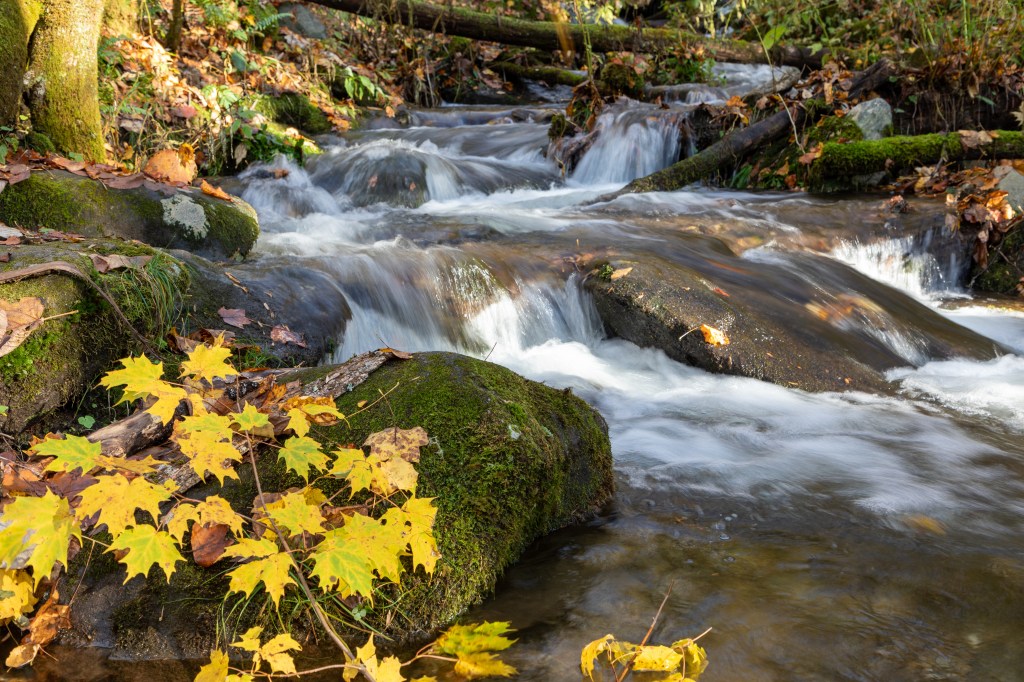
Two days of heavy, continuous rain greeted us as we entered the Smokies. All the rivers were swollen and raging, and we hunkered down to wait out the soaking. All the rain made for some beautiful hiking though, and we never had to worry about where to find water while backpacking!

Abbey and I decided to leave the van and do a small 3-day backpacking trip into the back country. I’m convinced that you can’t really experience the true beauty of a park until you leave your car and get out into it. We had good weather – nearly 60’s during the day and upper 20’s at night.

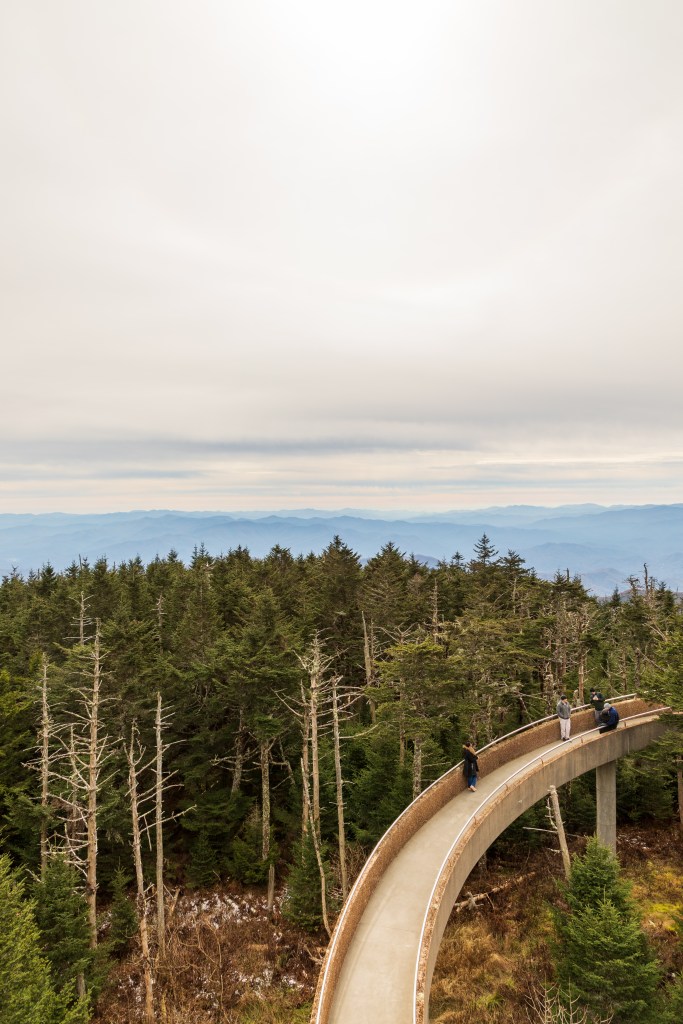
Clingman’s Dome is the highest point in Tennessee at 6,643 feet. You can drive most of the way to the top (yes, Evelyn did fine in the oxygen-deprived air), with only a short hike to the lookout. In my opinion, this is both good, because it lets more people experience the views, and bad, because it lets more people experience the views.

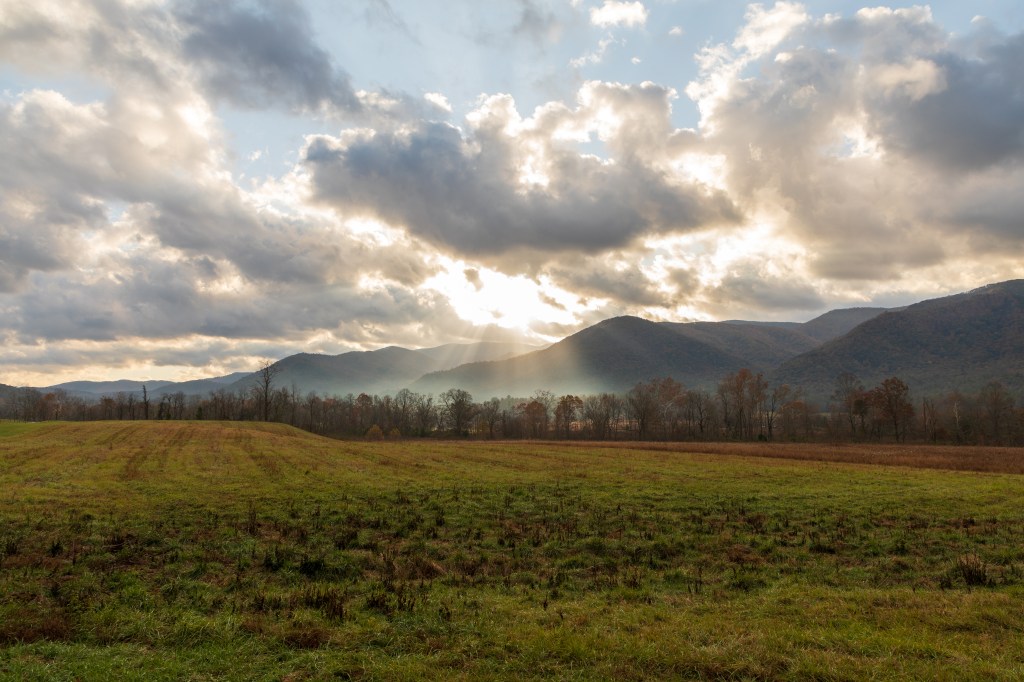
Cade’s Cove is geologically intriguing. Known as a “Limestone Window,” the flat valley area is actually composed of younger rock than the surrounding higher ridges because the softer limestone eroded away and because of fault action. Some of the oldest rock in the surrounding ridges is over a billion years old.

The Cove was attractive to early settlers because of the fertile soil. Some of the early structures have been preserved by the Park Service. Cherokee Indians were in the area before this, but they were mostly marched out in the Trail of Tears to Oklahoma. Sigh…

Early nails were handmade, one at a time, by a Blacksmith. Ever wonder why there is a “d” in nail terminology, but we refer to them as “penny” (e.g. a 16d nail is called 16 penny)? The “d” stands for Denarius, an ancient Roman coin, and referenced the cost of the nail. We still call them 8, 12, 16 penny nails today even though the “d” and the cost is no longer relevant.

I lucked out and came across some Black Bears while hiking. Abbey missed out because she was looking at graves in a cemetery, but that’s probably for the better. I’m beginning to learn that she has a mild fear of bears.

Now onward to South Carolina!

Cheers!
Norfolk to Great Smoky Mountains

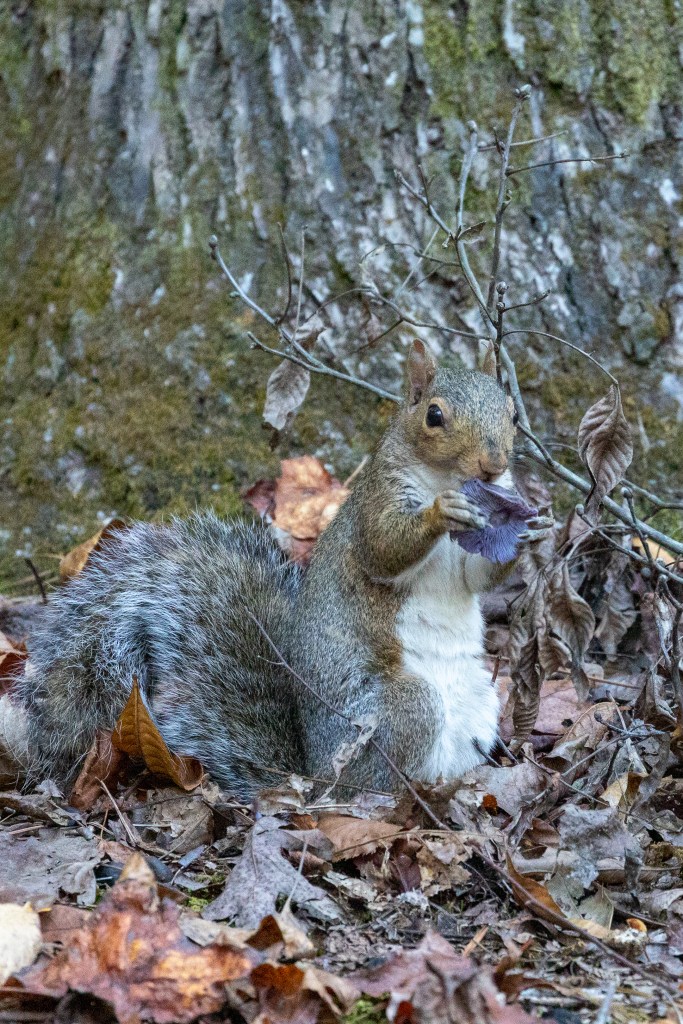
It’s warmer. People talk with an accent. There are fields of cotton. The trees and wildlife are changing. Seeing these changes slowly ( we only drive a few hours a day) is different from any other road trip we’ve done. Squirrels eat mushrooms.

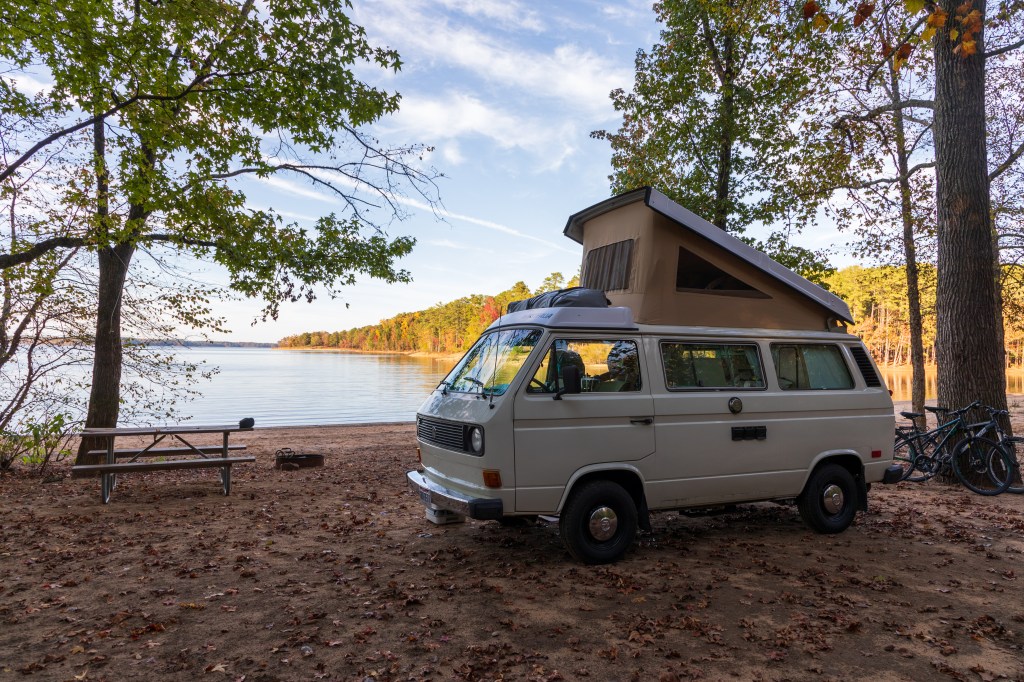
Kerr Lake is a massive reservoir on the Virginia/North Carolina line. We camped here and had the place mostly to ourselves. Our campsite was right on the beach.

The lake was dammed in the late ’40’s as a flood control measure and to produce hydroelectric power. The lake is 77 square miles.

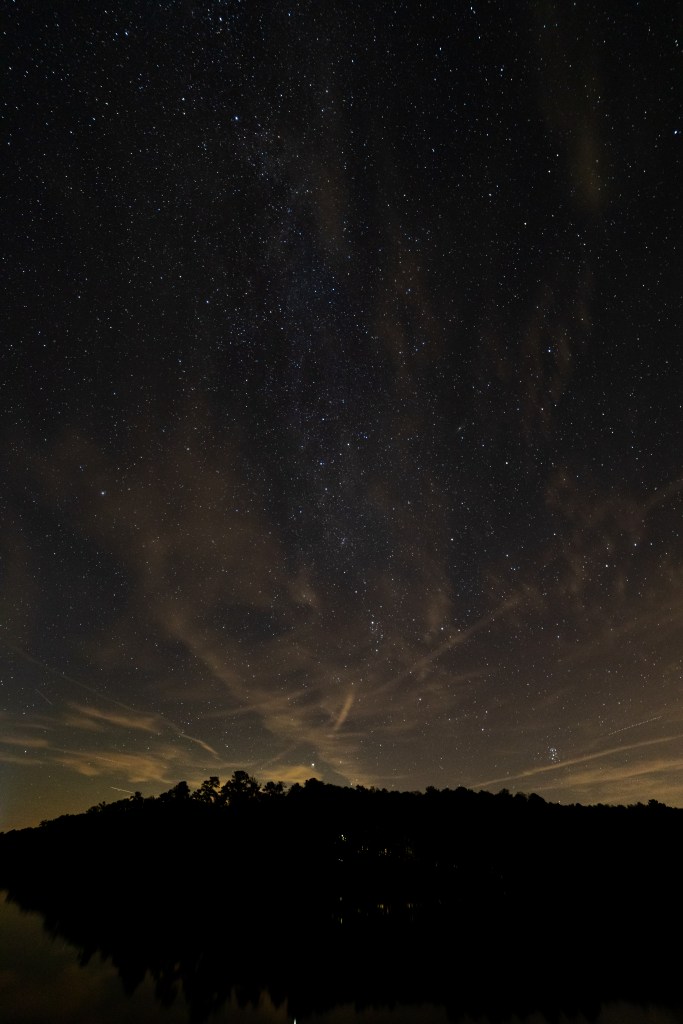
The stars here were pretty good. The Milky Way was visible, but there was still moderate light pollution. Also, it was partly cloudy most of the night. I’m working on improving my astrophotography, but I still like this picture.

Next stop, the Great Smoky Mountains!

Cheers!
NYC to Norfolk, Virginia

Abbey and I made sure to sleep in after the long day in New York City. We woke up to a crisp autumn morning and an easy drive to Nazareth, Pennsylvania.

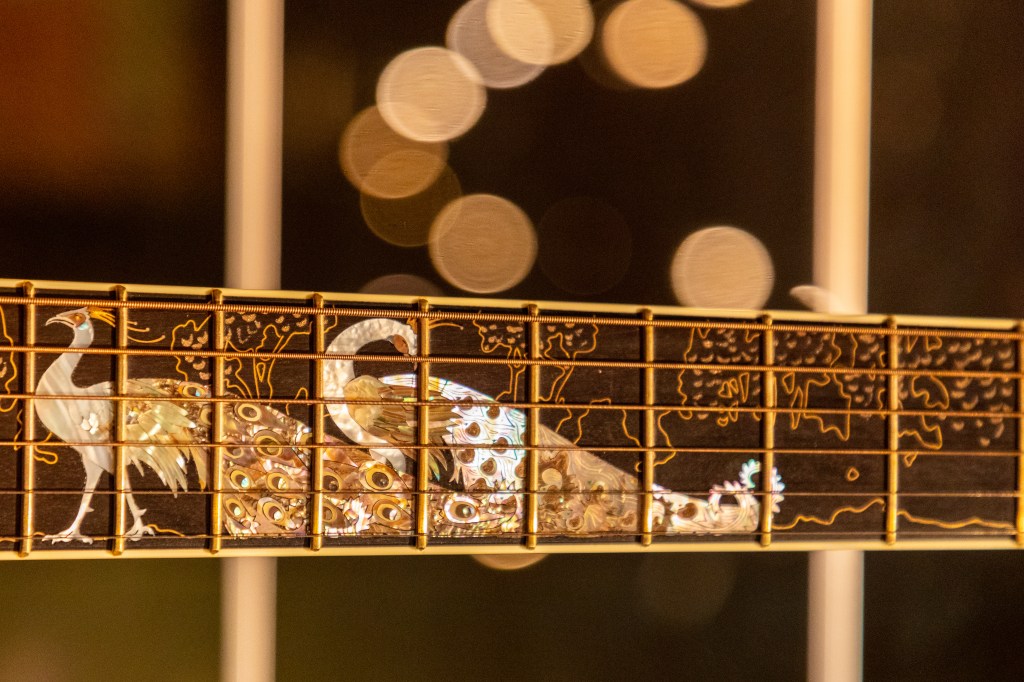
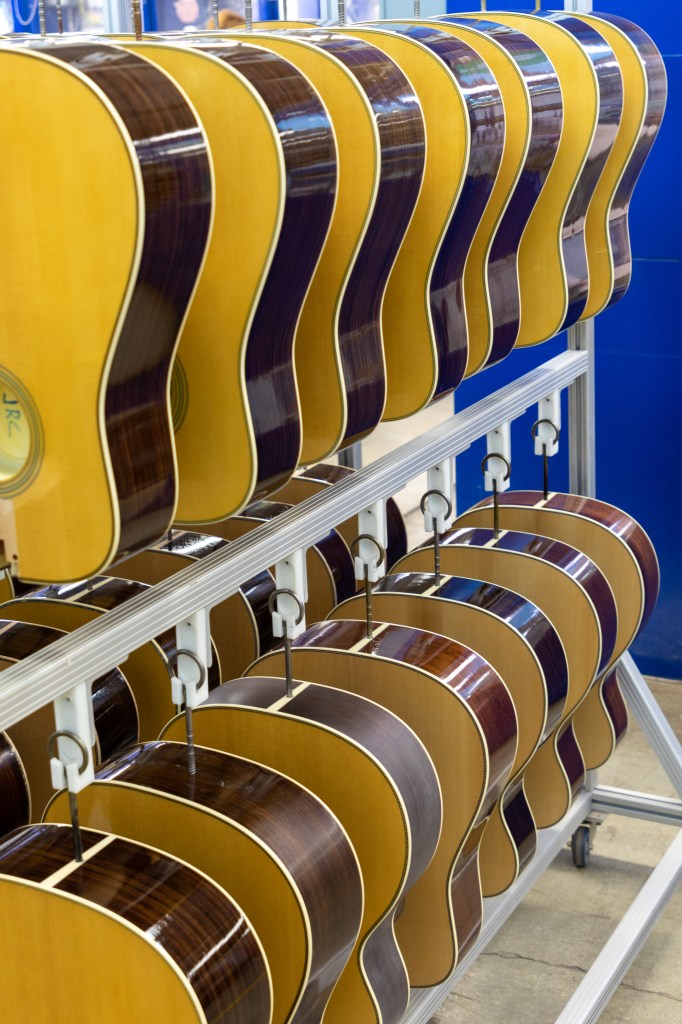
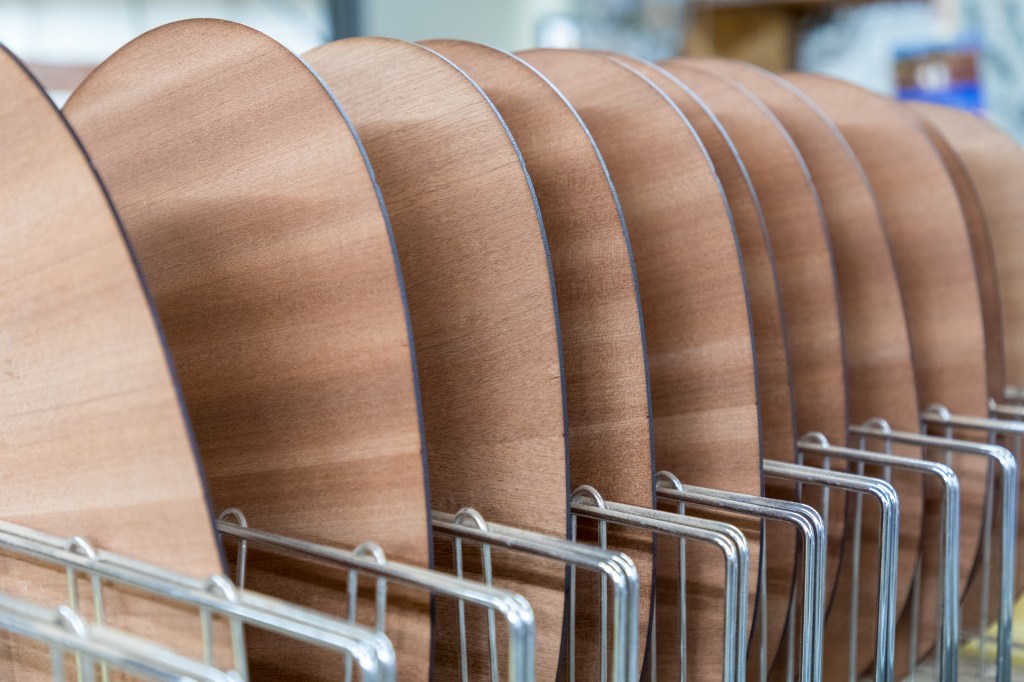
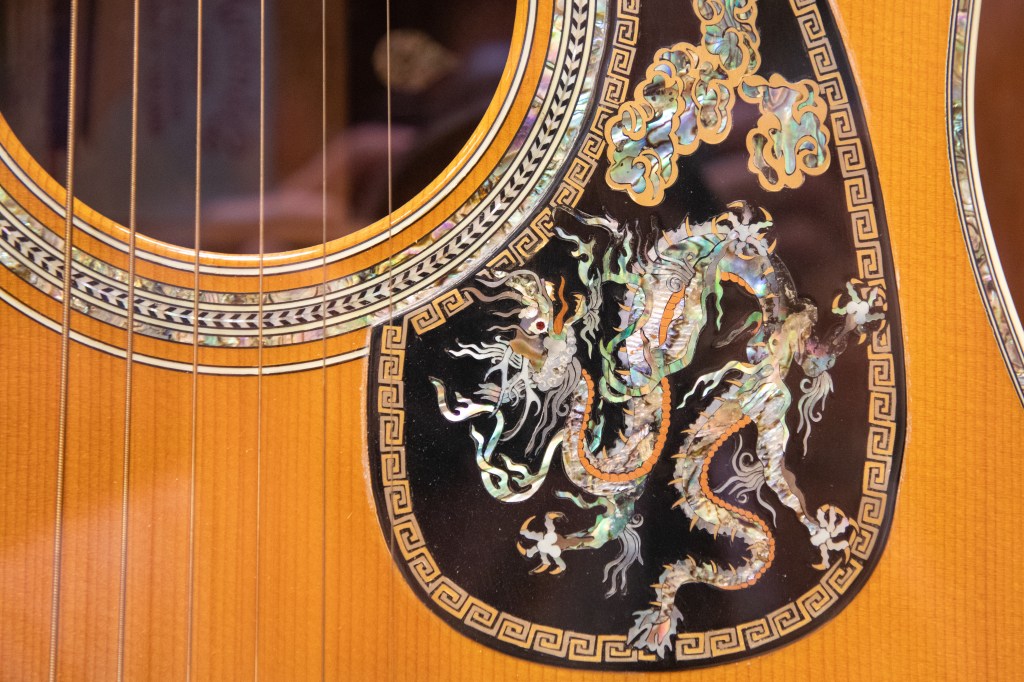
Martin Guitars are well-made, beautiful, and euphonious. I have a D-16GT that I love, and my dad has a ’72 D-35 that I really love. Touring the Martin Museum and Factory was a fantastic experience, and getting to play a ton of different Martins at the end was a special treat. I was tempted to buy a small backpacker guitar to keep in the van, but they were unsurprisingly sold out.

I cautiously played a $5,000 Martin D-41.

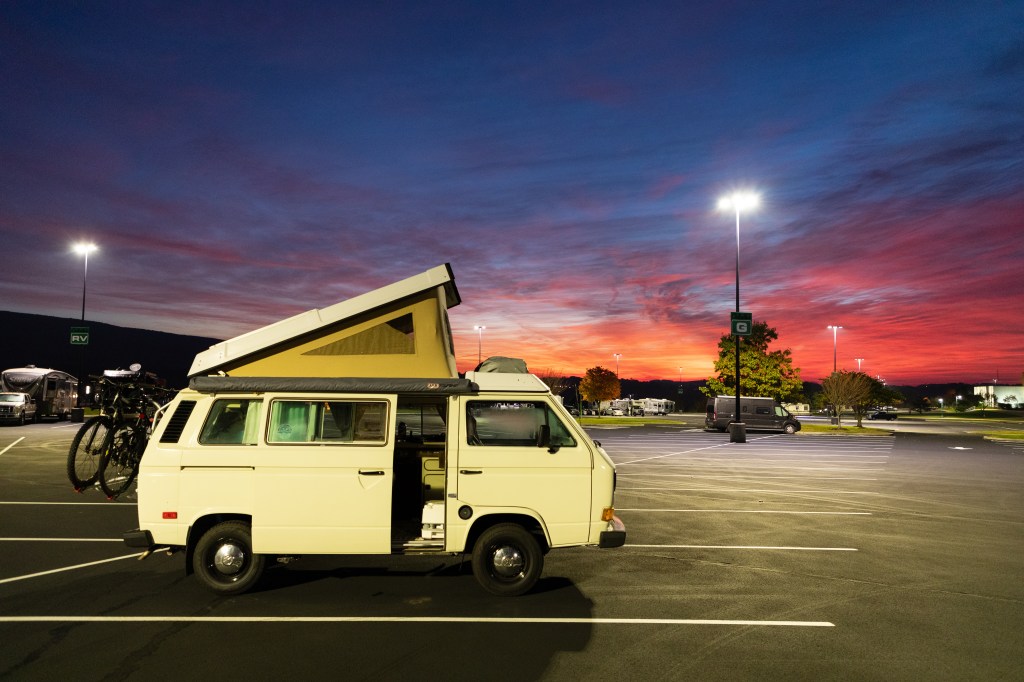
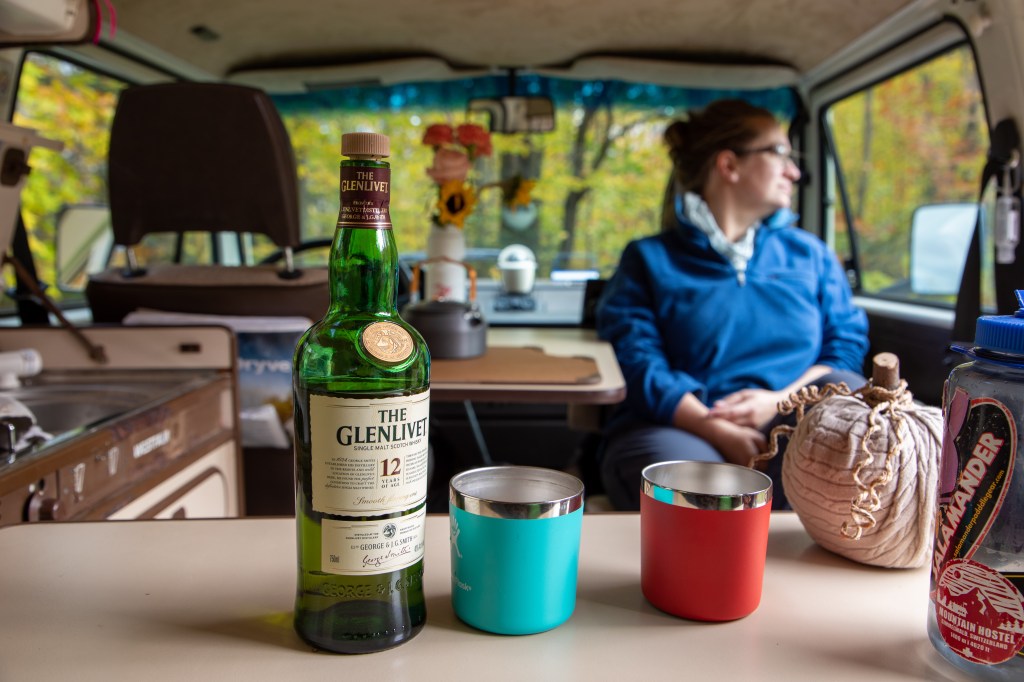
For the evening, we decided to sleep in the Cabela’s parking lot. They allow overnight parking for RV’s, and it actually wasn’t as bad as you might think. Having a little Scotch onboard helps, too. In the morning we were greeted with a powerful sunrise. Sailors take warning.

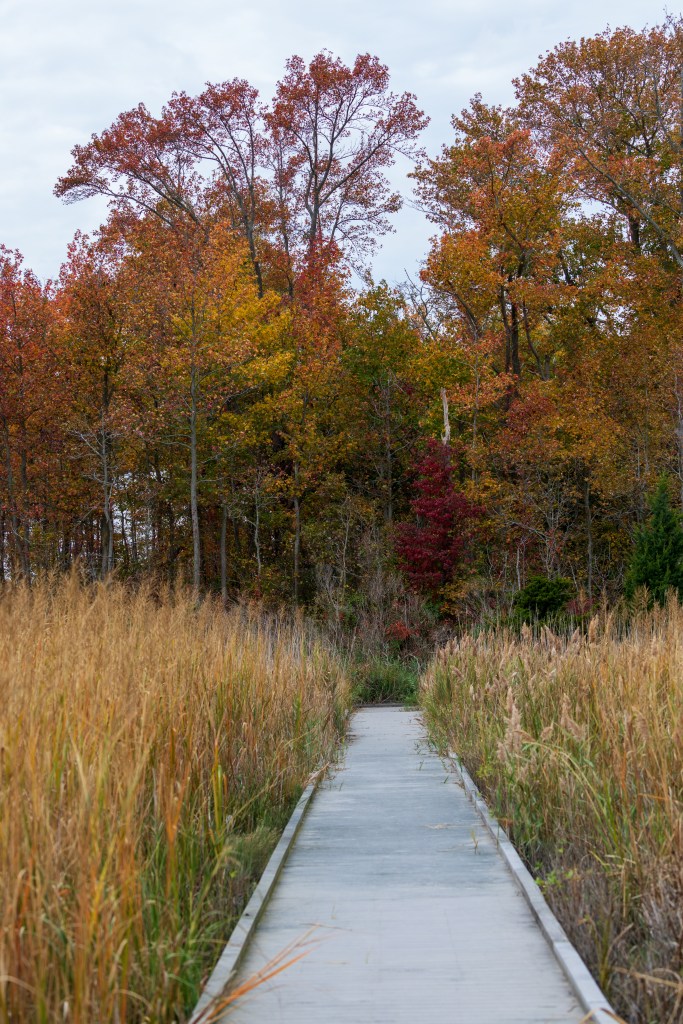
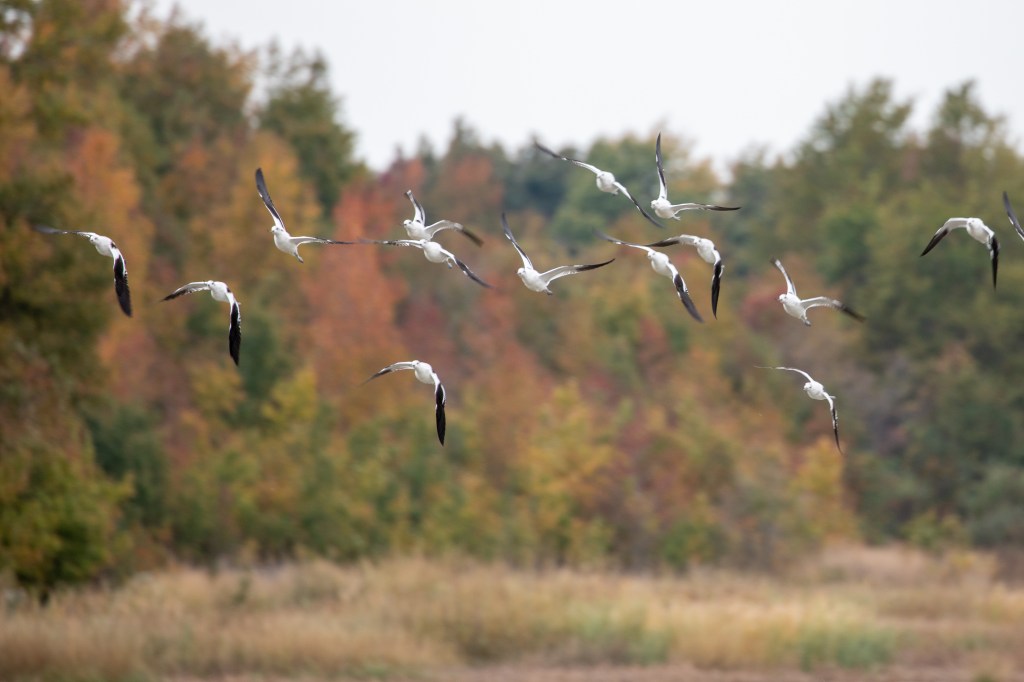
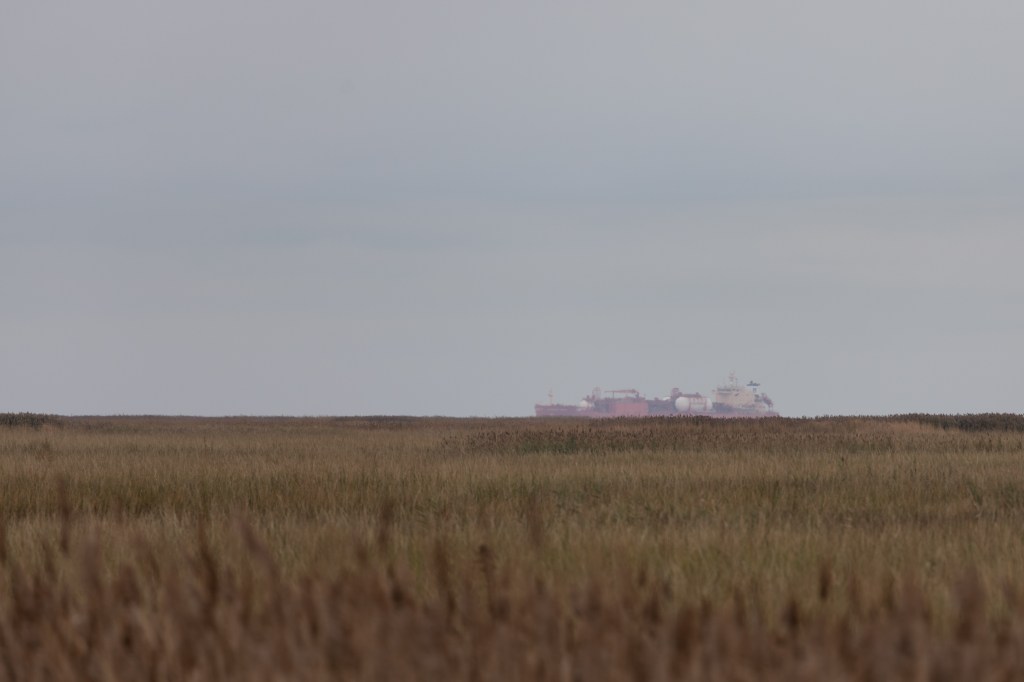
Bombay Hook National Wildlife Refuge in Delaware was next. Established in 1937, it protects over 16,000 acres of important land along the Atlantic flyway for bird migrations. There are a huge variety of birds here because of the mix of tidal flats, salt marshes, freshwater ponds, prairie, forest, etc. If you’re ever in Delaware, this place is worth a visit.

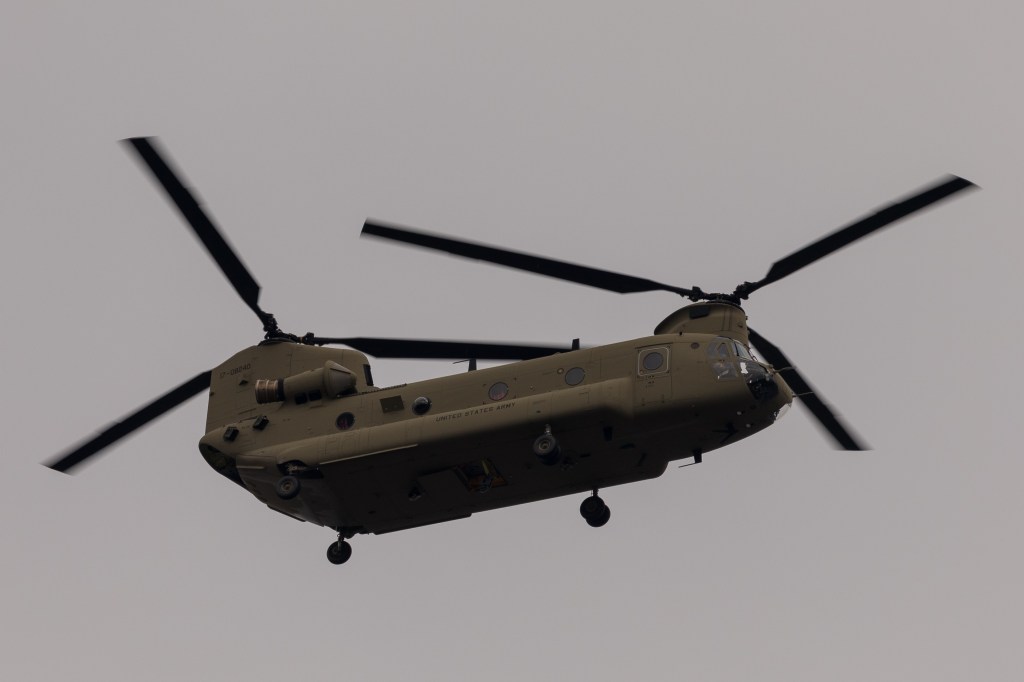
While we were at the refuge, a Chinook flew overhead. Introduced in the early 60’s, they can carry about 10,000 pounds and fly at 196 mph. But probably not at the same time. They cost around $38 million a piece.

The following day we arrived in Norfolk, Virginia. We chose to stay at First Landing State Park, where early settlers first landed before heading on to Jamestown. The park is located right on the beach, and the campground is nestled in among the Live Oaks. We had surprisingly warm weather, and we ended up staying here two nights because it was so lovely.

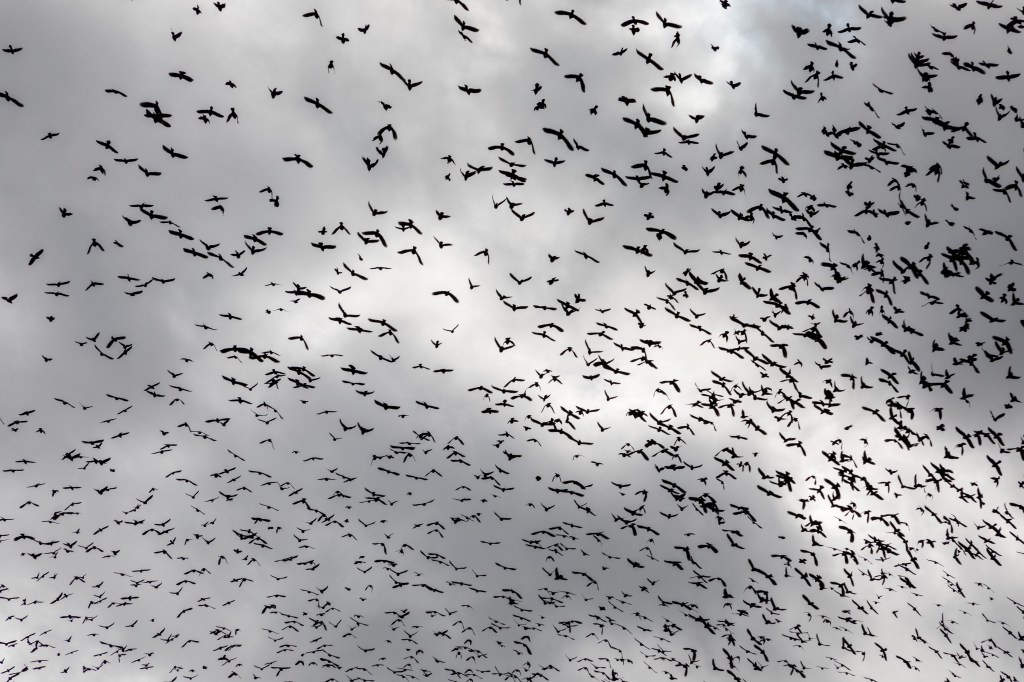
While doing some hiking, we saw and heard an Osprey and Bald Eagle squabbling at each other, and as we stopped to watch, the woods erupted as thousands of Starlings took flight in a tremendous murmuration right over our heads. We were awestruck.

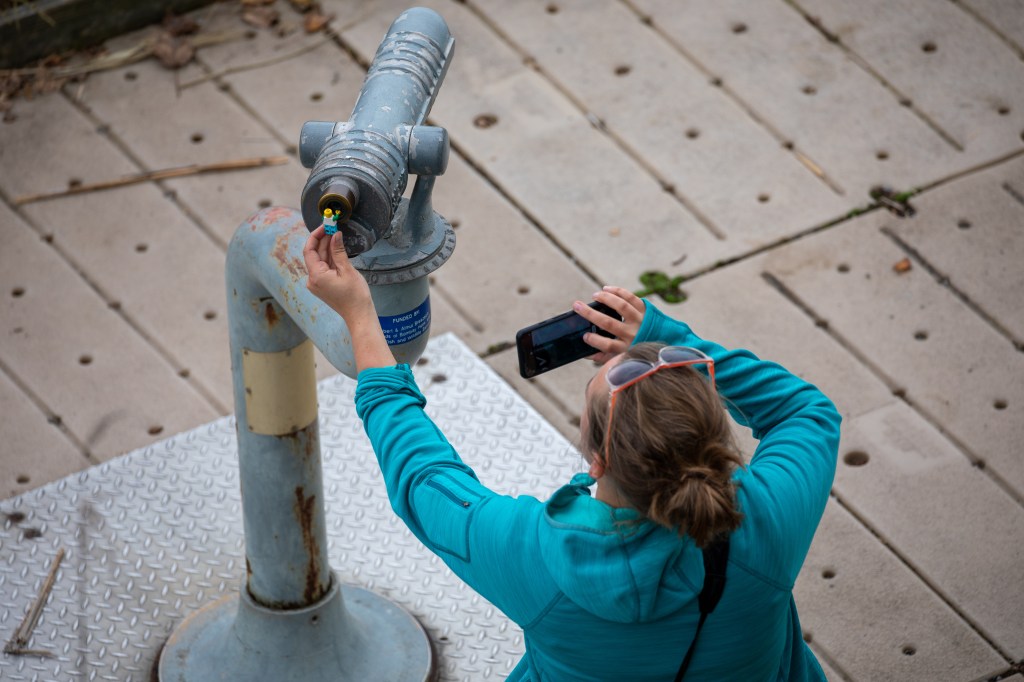
If you’re wondering who does the pictures with Kirk the Lego man, it’s Abbey.

Cheers!
New York City

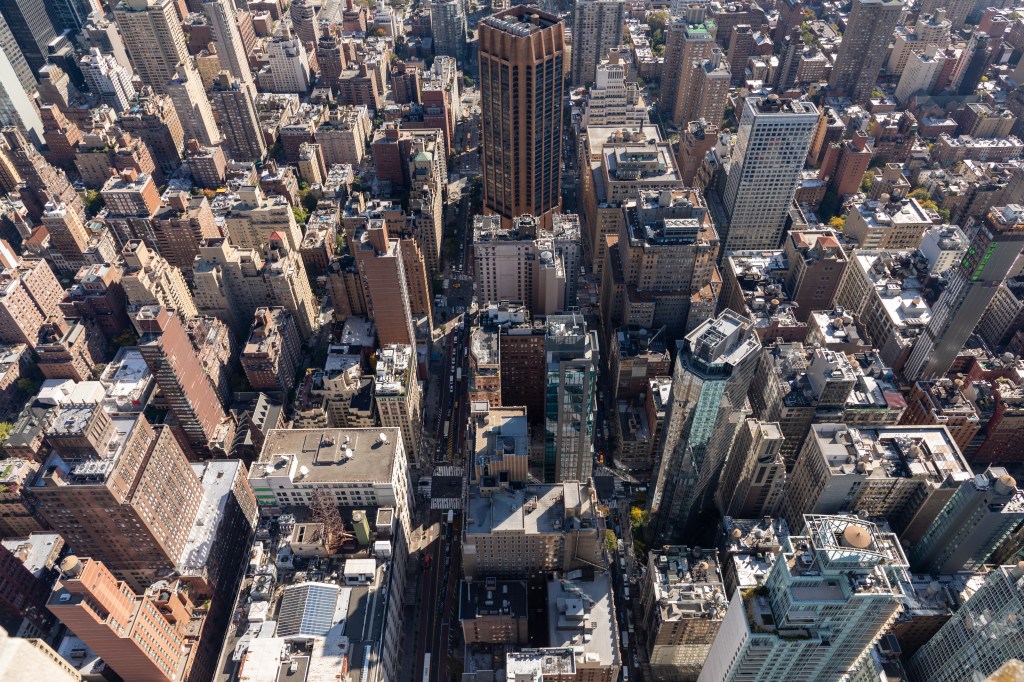
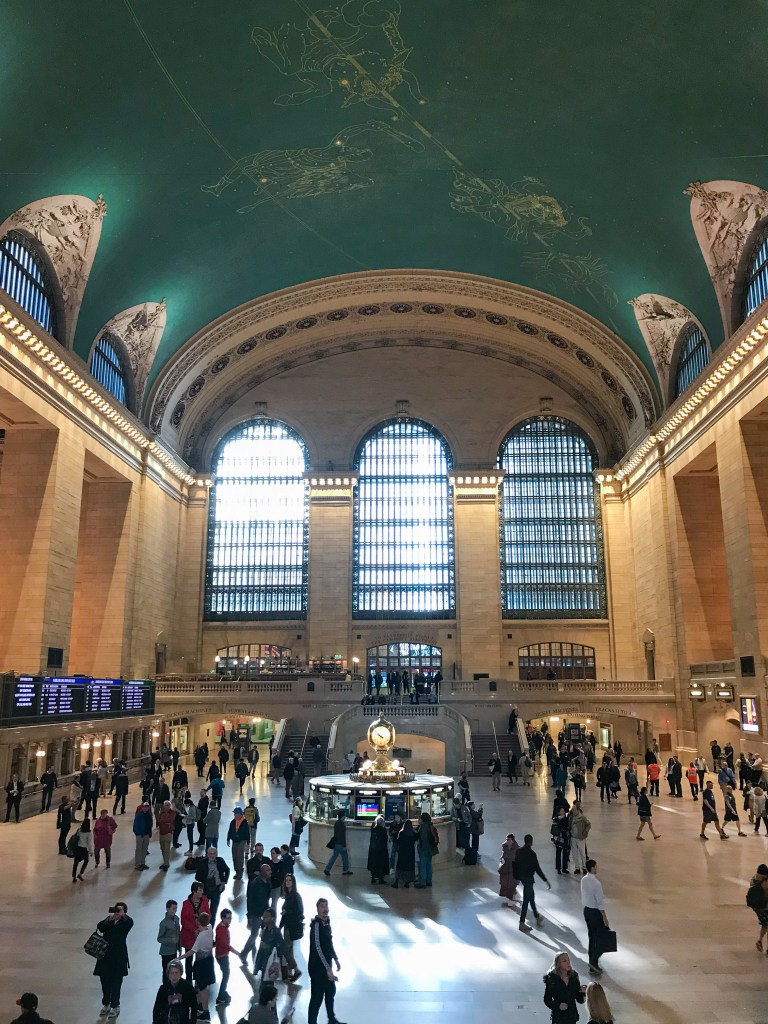
Abbey had never been to New York City, so we decided to make a day trip out of it. We decided to not drive the Vanagon into the city because we’re not insane, so instead we opted for public transport. We took an Uber from the campground to the train station, and then a nice train ride into Grand Central Station.

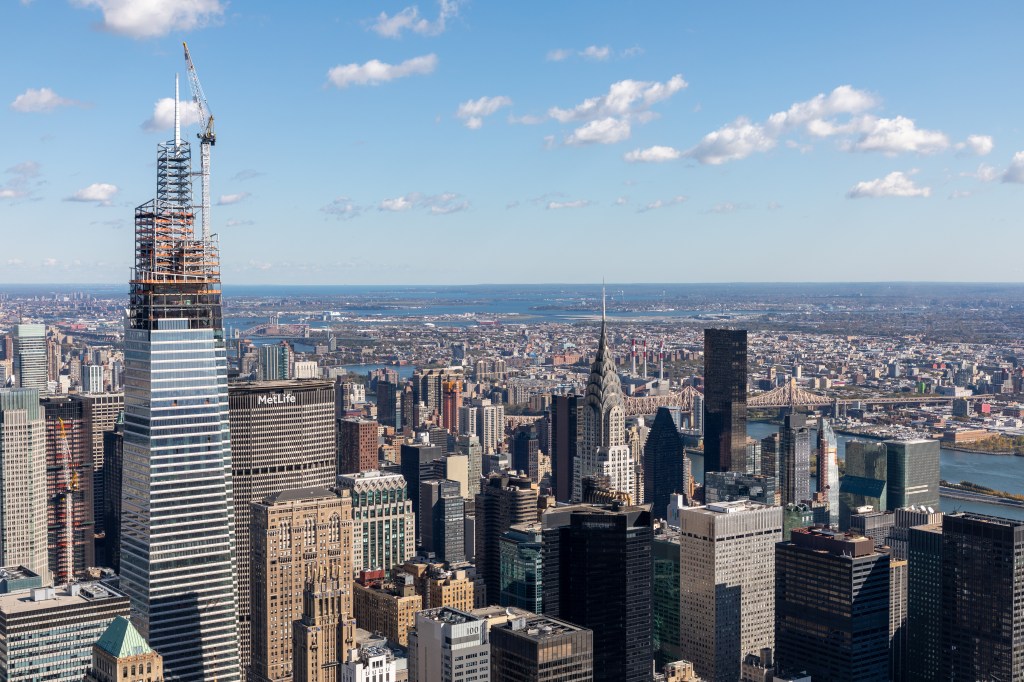
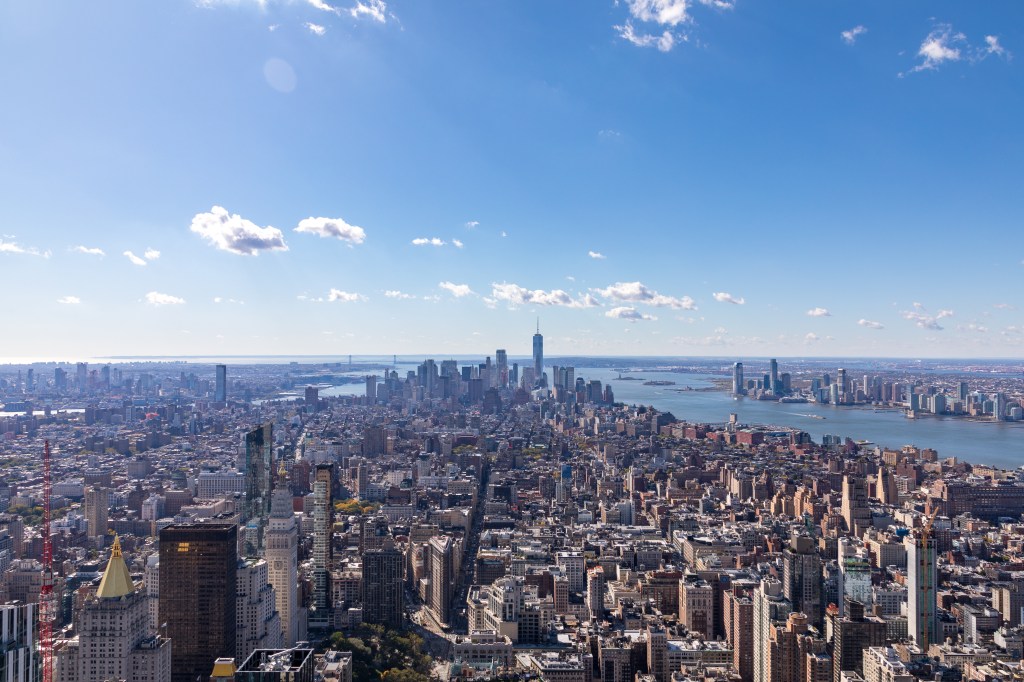
The Empire State Building was constructed in 410 days, ahead of schedule and under budget. It was the tallest building in the world for a while, and offers some incredible views of the city.

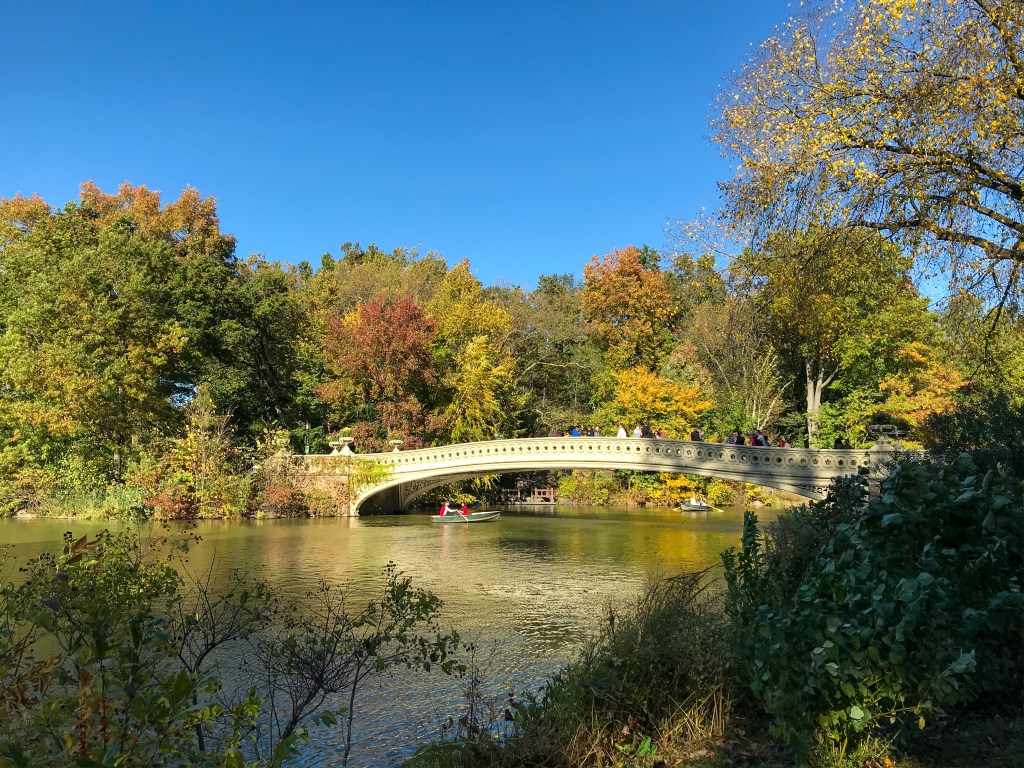
After the Empire State Building we walked up to Central Park and spent probably the largest portion of our time. It was a lovely day for a walk.

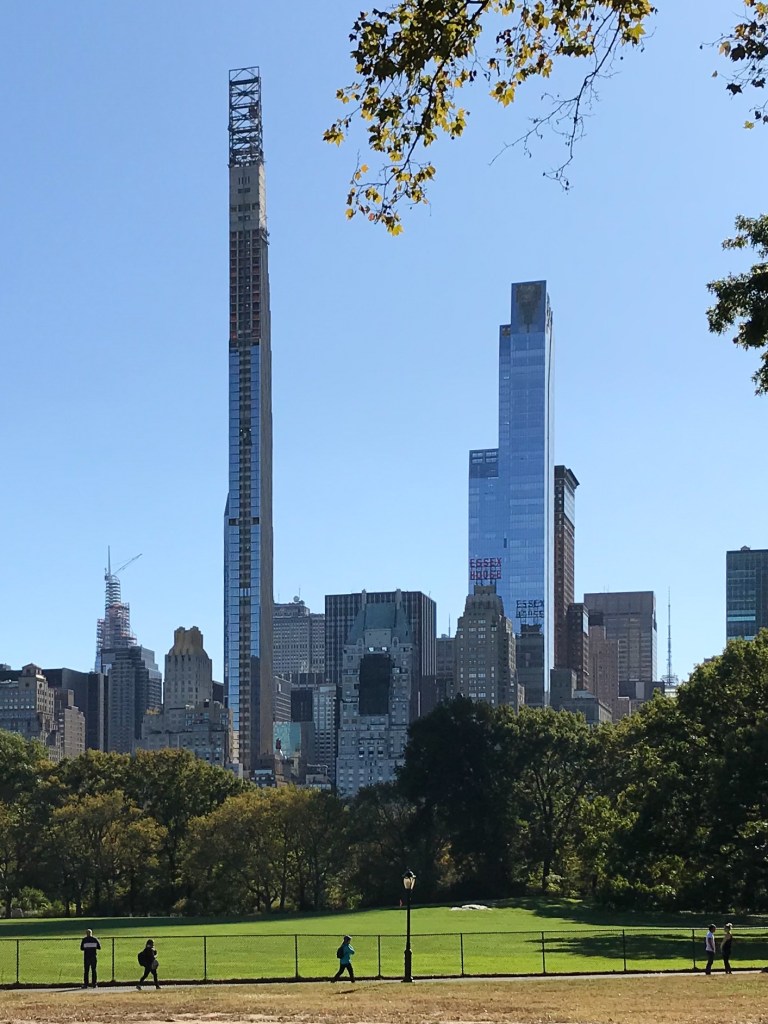
There is a new skyscraper being built that has a width-to-height ratio of 1:23. A pencil is 1:30. Amazing.

We had a good time in NYC, but there are just too many people and everyone is in such a hurry. We were glad to get back to our quiet little campground with our Evelyn.

Cheers

Cape Cod to New York City

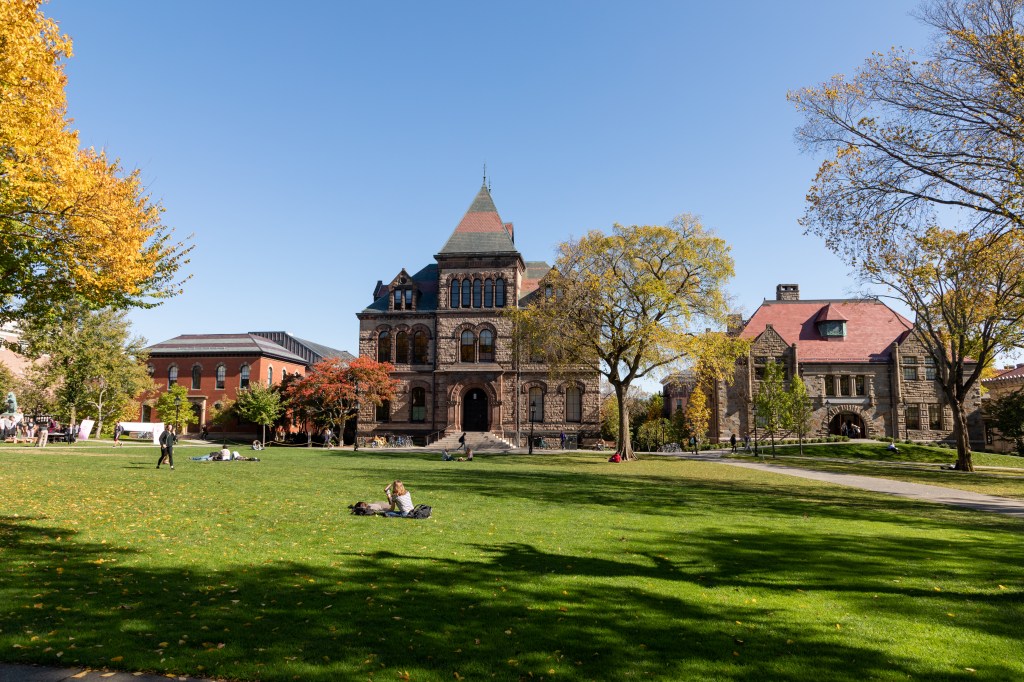
Brown University is in Providence, Rhode Island. It is older than this country (founded 1764), and has a beautiful campus, elegant architecture, and hefty price tag. Sometimes I question if OSU was the right fit for me after touring places like Brown. No one was screaming or yelling at Brown, and nothing smelled like day-old vomit. It does have a pretentiousness about it, though.

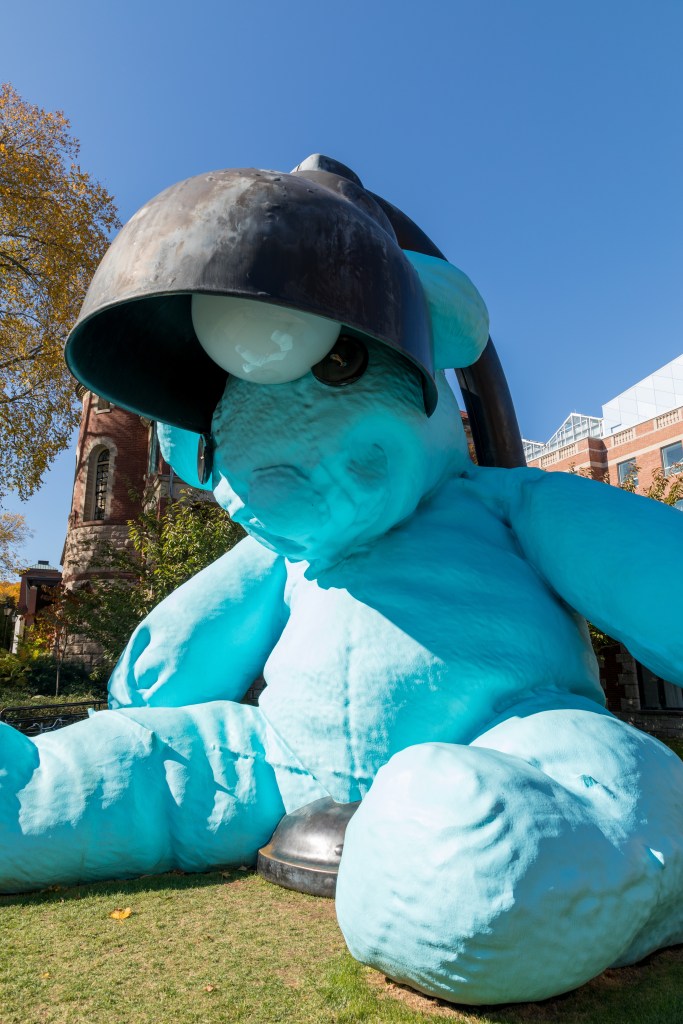
This lamp-bear was on the campus of Brown. It is creepy. We left Brown after seeing this.

Connecticut is a strange state. All the state park and forest campsites close for the season, and you can’t camp anywhere unless you send in a written request two weeks in advance and receive a permit. Even the private campgrounds were closed. I’m not sure how the people who live here put up with this. Abbey and I crossed Connecticut off our list of places we might want to live simply because of this reason. That being said, the Connecticut State Parks are quite beautiful!

Mashamoquet State Park was a great place for a day hike with good scenery and trails. We pretty much had the place to ourselves. One trail leads to an old wolf den, where in 1742 an early settler “triumphantly” killed the last remaining wolf in Connecticut. The plaque said, I kid you not, “He dared to lead where others dared to follow,” and “by the light of her angry eyes shot and killed the marauder.” I fully realize those were different times, and settlers needed to protect their livestock, but it depresses me.

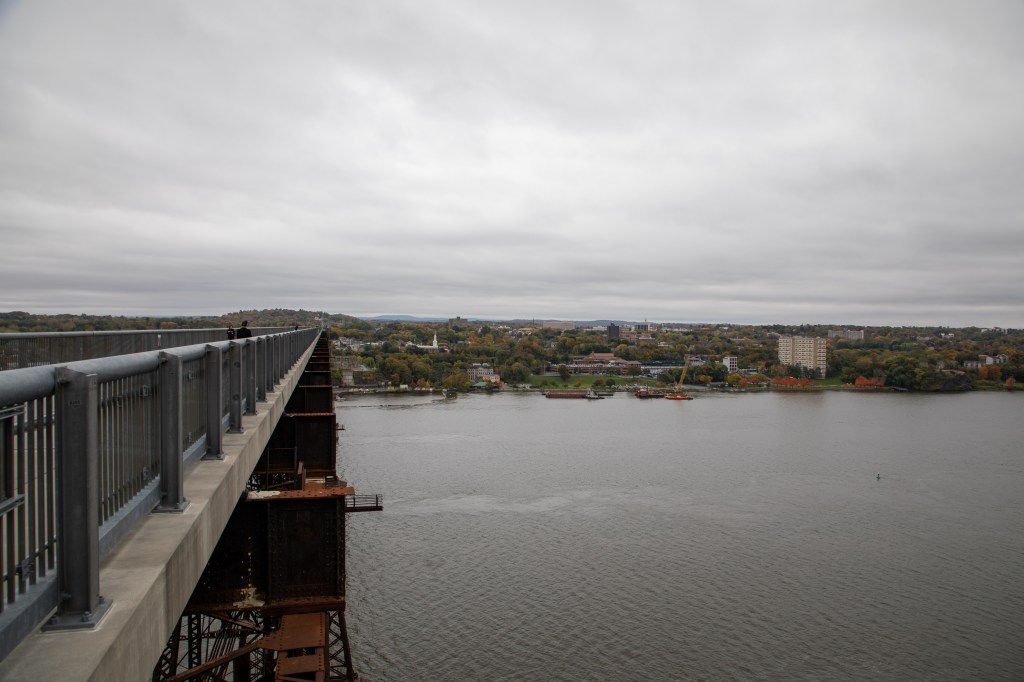
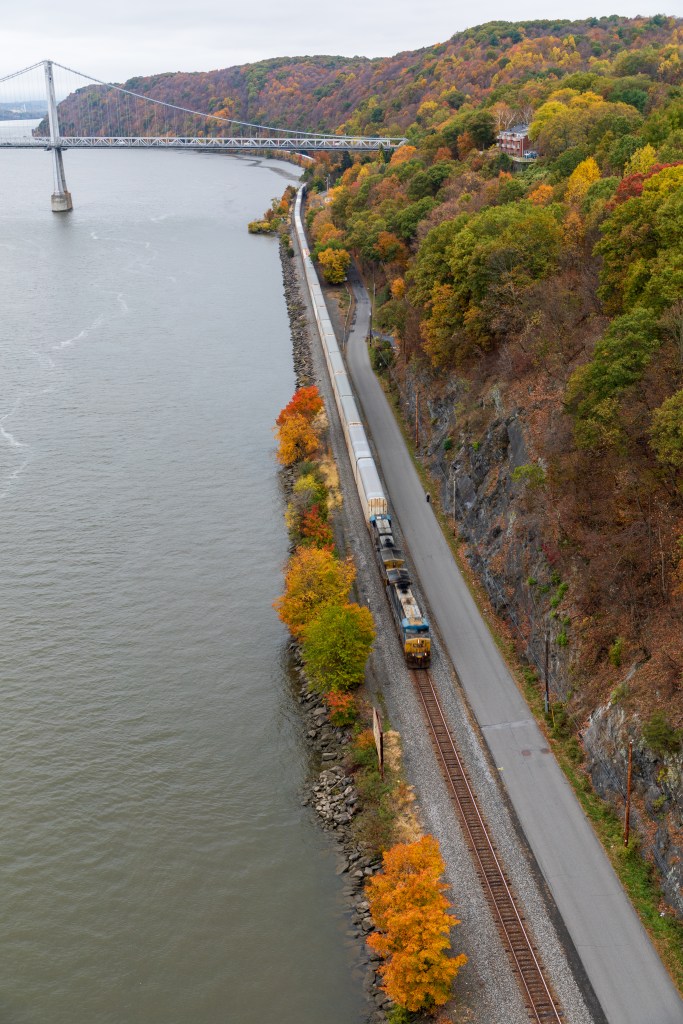
Once we were out of Connecticut, we stopped in Poughkeepsie, New York to walk over the longest pedestrian bridge in the world (6,768 ft!). The bridge was originally for trains, cost $3.5 million in the late 1800’s, and was (or rather, still is) a marvel of civil engineering. It is the oldest surviving steel cantilever bridge in the world, and when it was built, had the longest truss and cantilever spans in the world. It crosses the Hudson River, which flows in both directions because tides from the ocean flow roughly 70 MILES up river to this point. There are blue crabs in the river here, too!

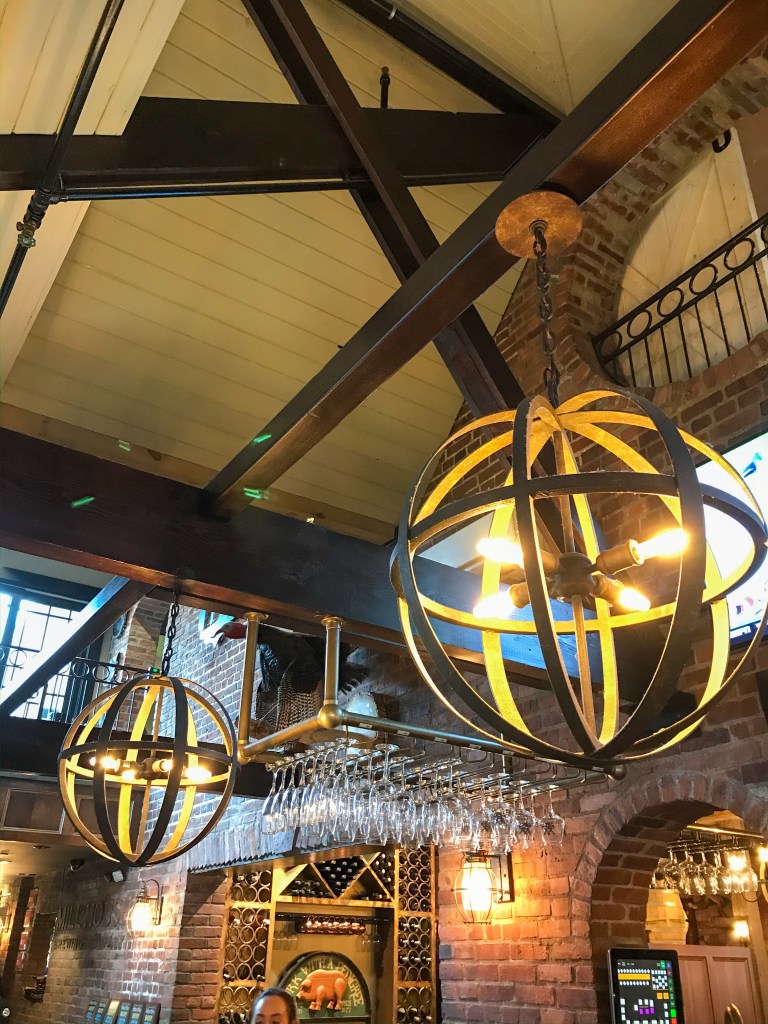
After walking across the Hudson, we found a local brewery in a cool old building and stopped in for a couple beers.

Cheers!
Cape Cod

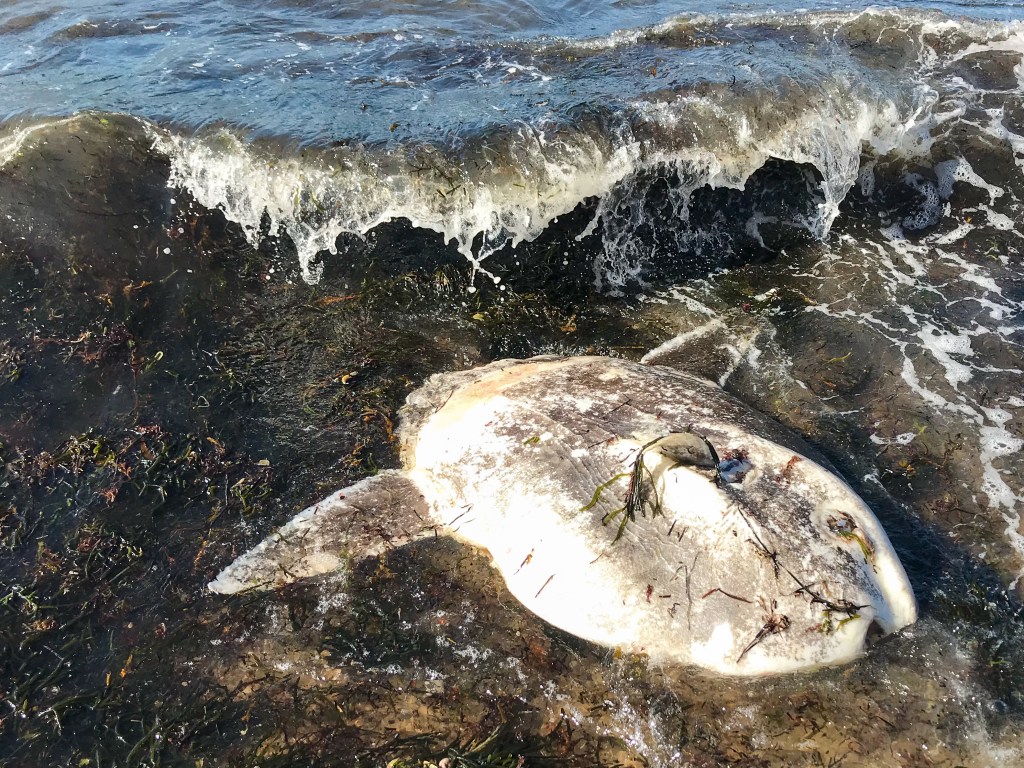
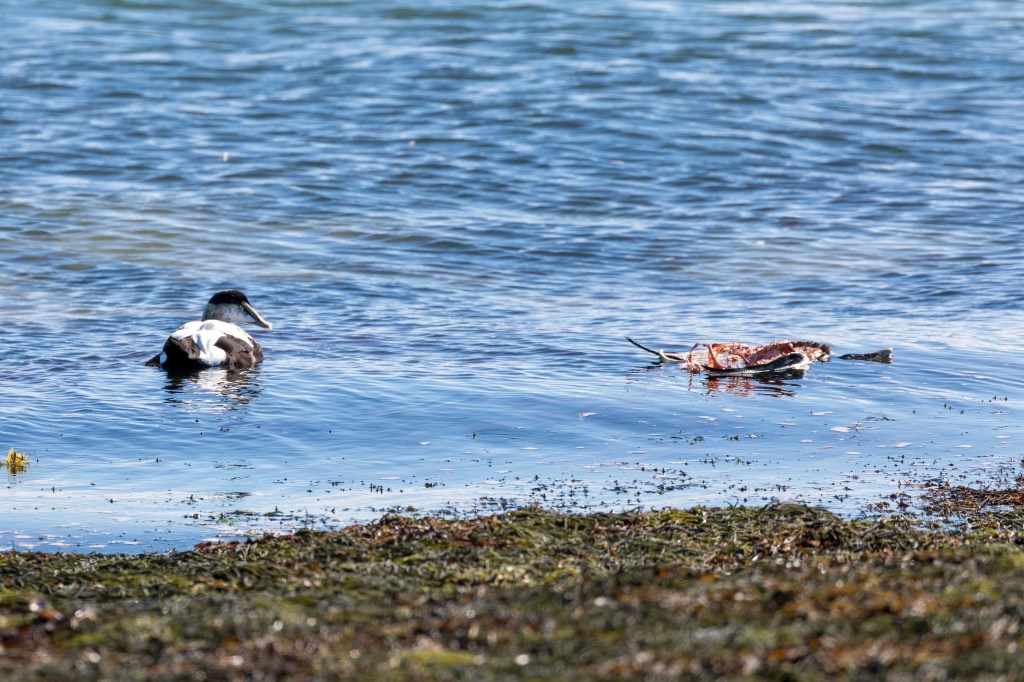
Mola Mola, or Sunfish, come to Cape Cod to eat jellyfish. They lay on their sides and float on the surface to warm themselves and kill parasites. I don’t think this one was warming itself, though.

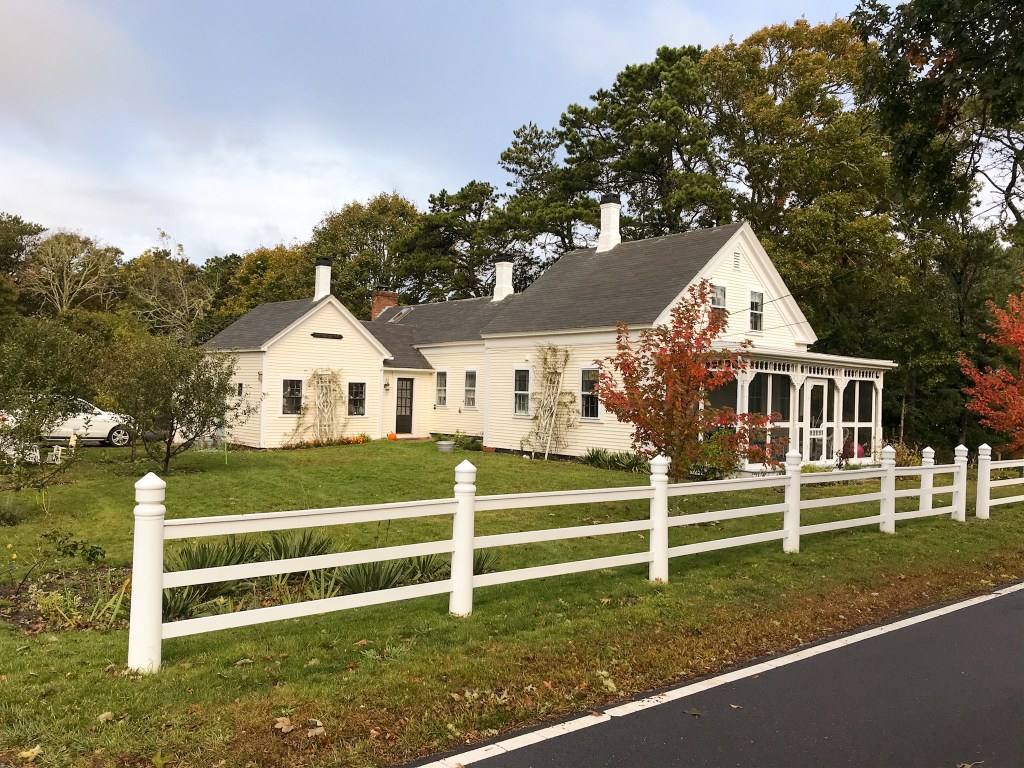
Warren Smith, 5 generations up the family tree from me, built a house on Cape Cod in 1843-ish. The house has been in our family ever since, with my Aunt and Uncle currently residing there. Abbey and I are staying with them while we enjoy Cape Cod in the off-season.

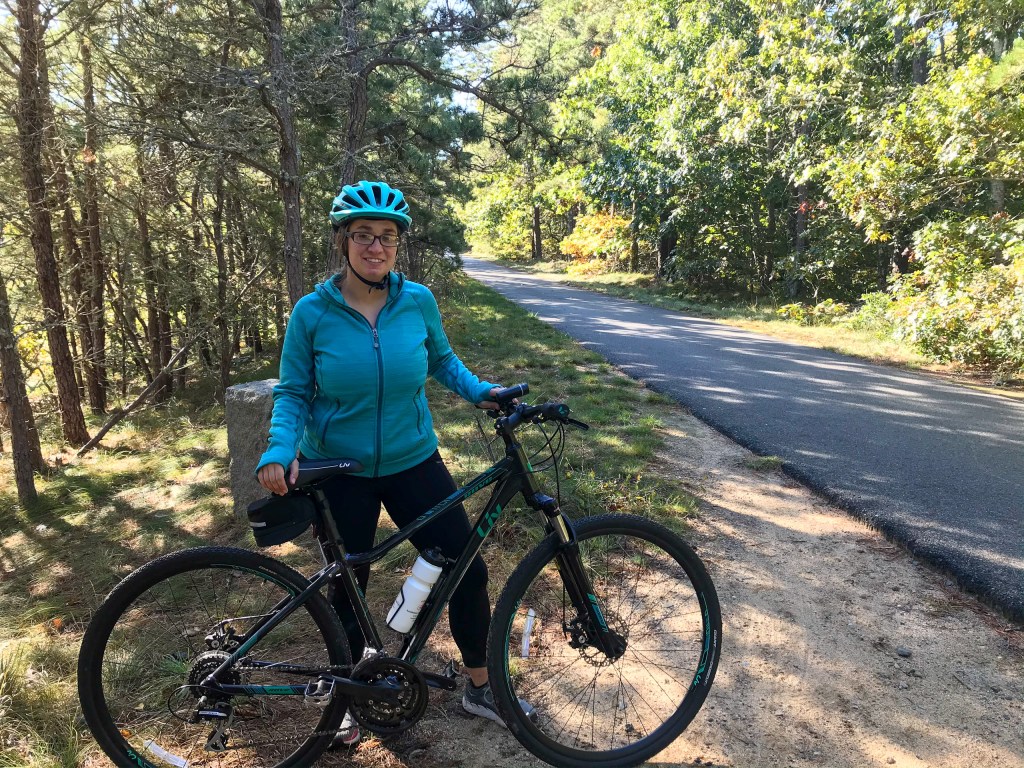
We thought it would be a good idea to ride our bikes to Provincetown, about 40 miles away. About half of it was on a bike path, and there was even a bike path rotary where multiple bike paths converged! But the other half was on hilly, winding back roads that reinforced how out of shape we are.

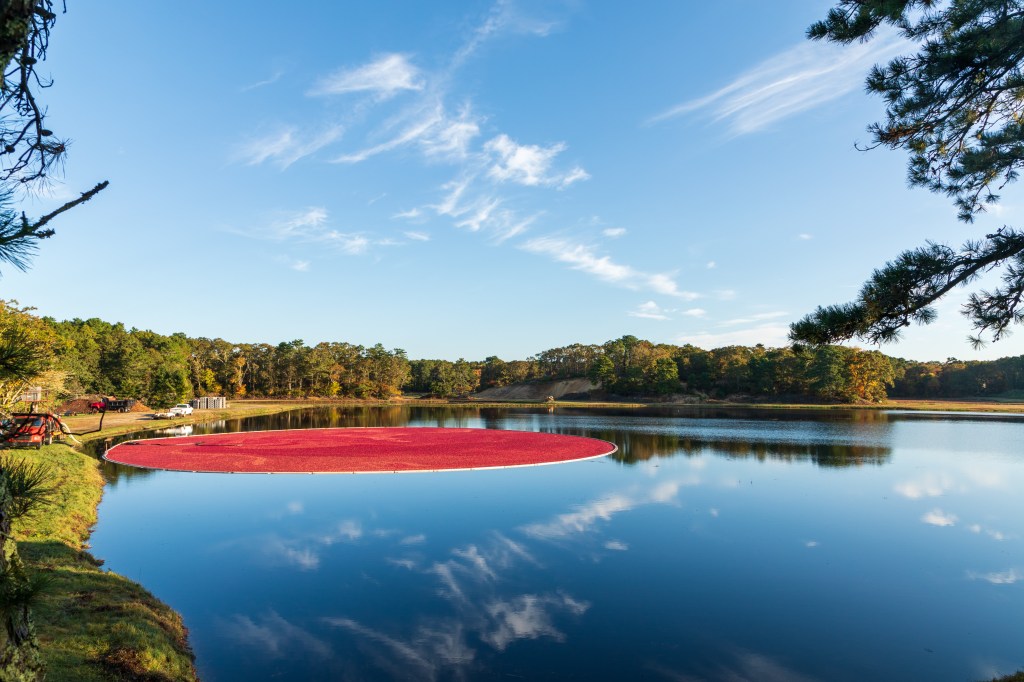
There are over 14,000 acres of cranberry bogs in Southeastern Massachusetts. Natural bogs developed from glacial kettle holes, but most modern farmed bogs are man-made. During harvest, the bog is flooded with around 18″ of water, and then a special machine with a wide reel (similar to a grain head on a combine) is used to wack the cranberry vines. The cranberries pop off the vine and then float to the surface to be collected.

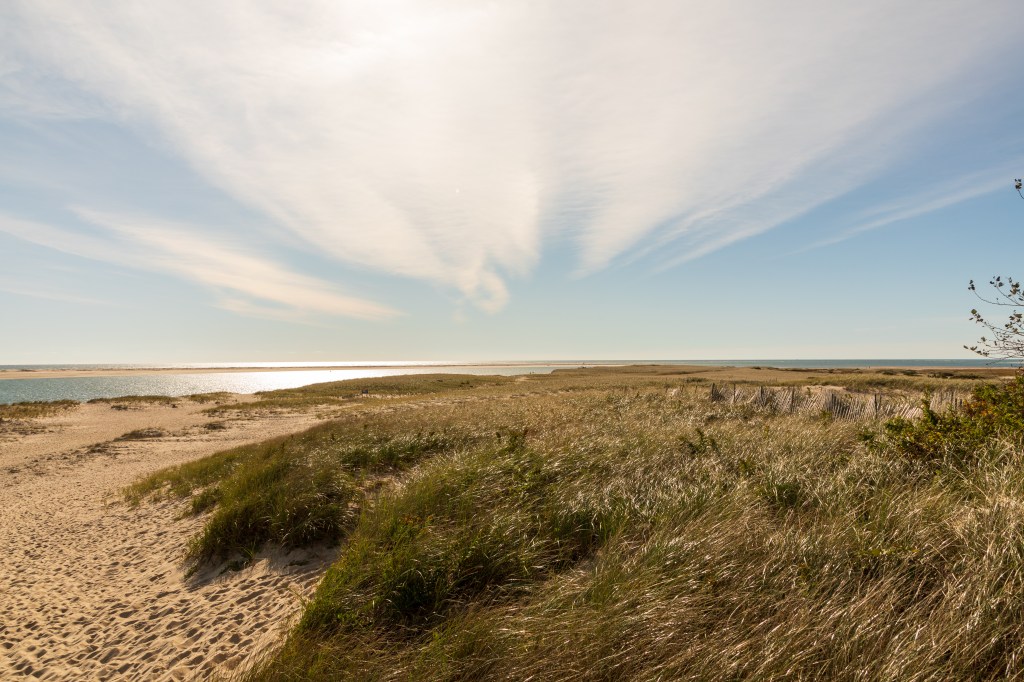
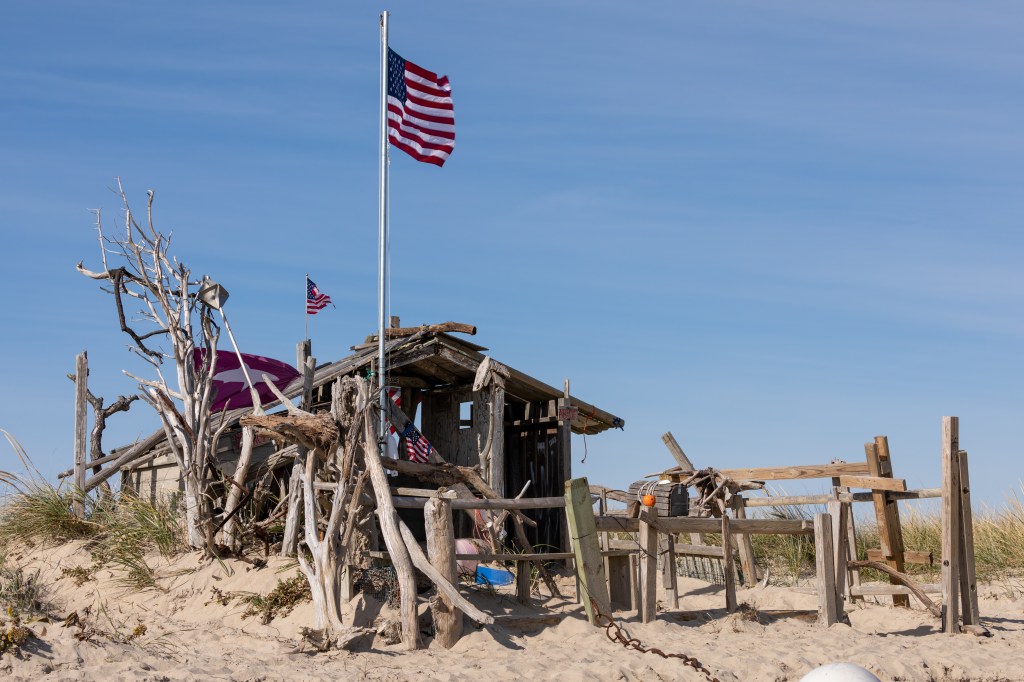
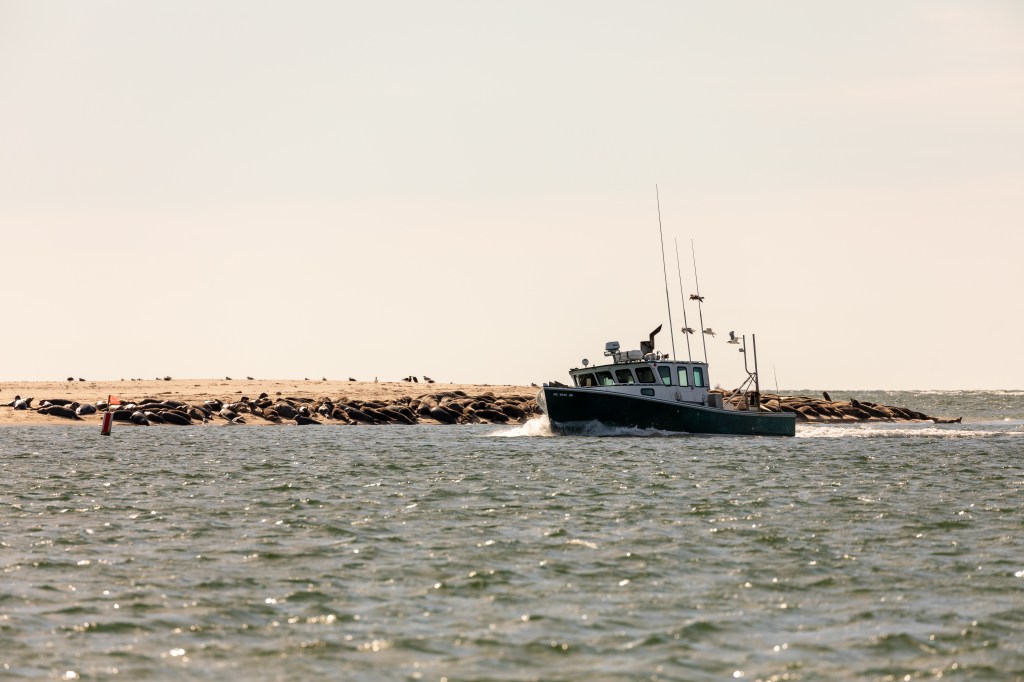
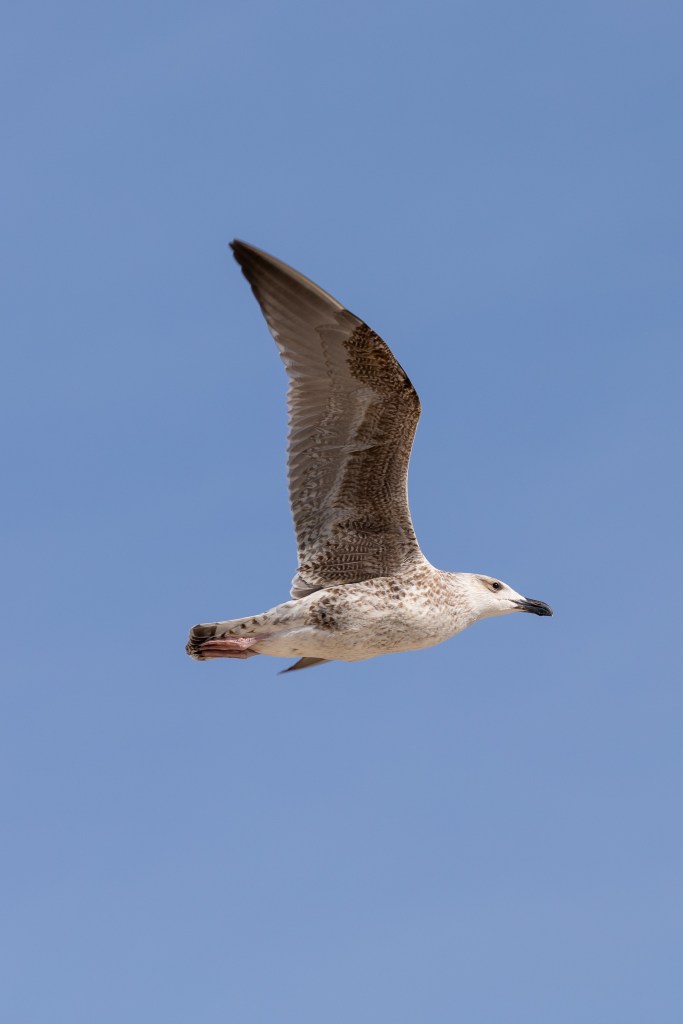
The beach at Chatham is beautiful, and there is always a chance to see seals, lots of birds, and other oddities. One is a shack that has been built using debris that washed up on shore by locals and tourists alike. I’m not sure I like it.

Hey Charles! How ‘ya doing over there? Charles?!?!?

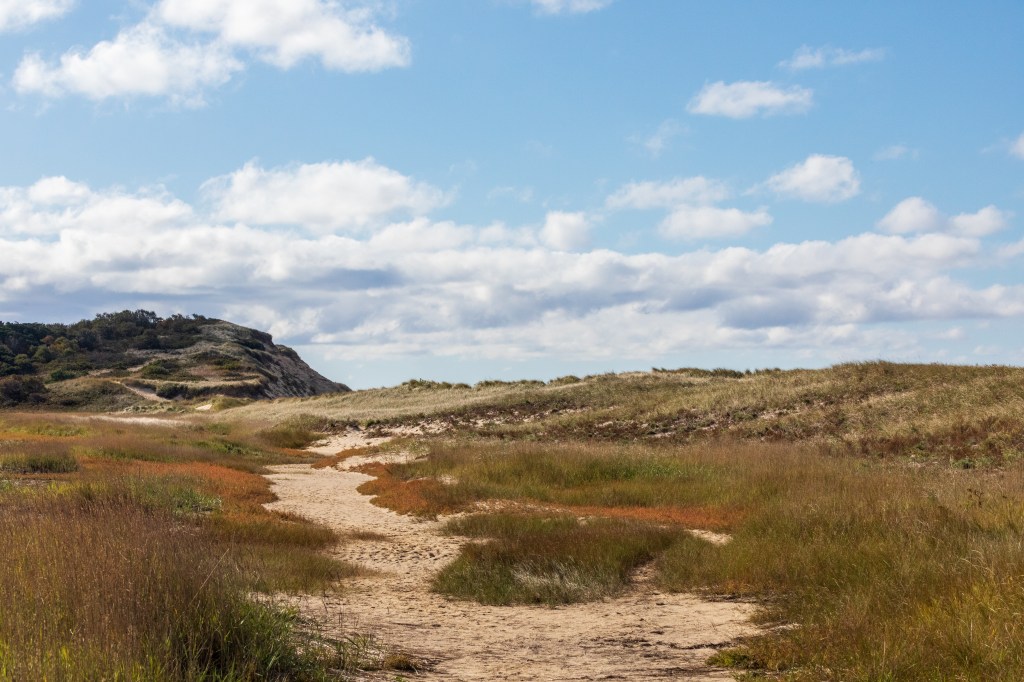
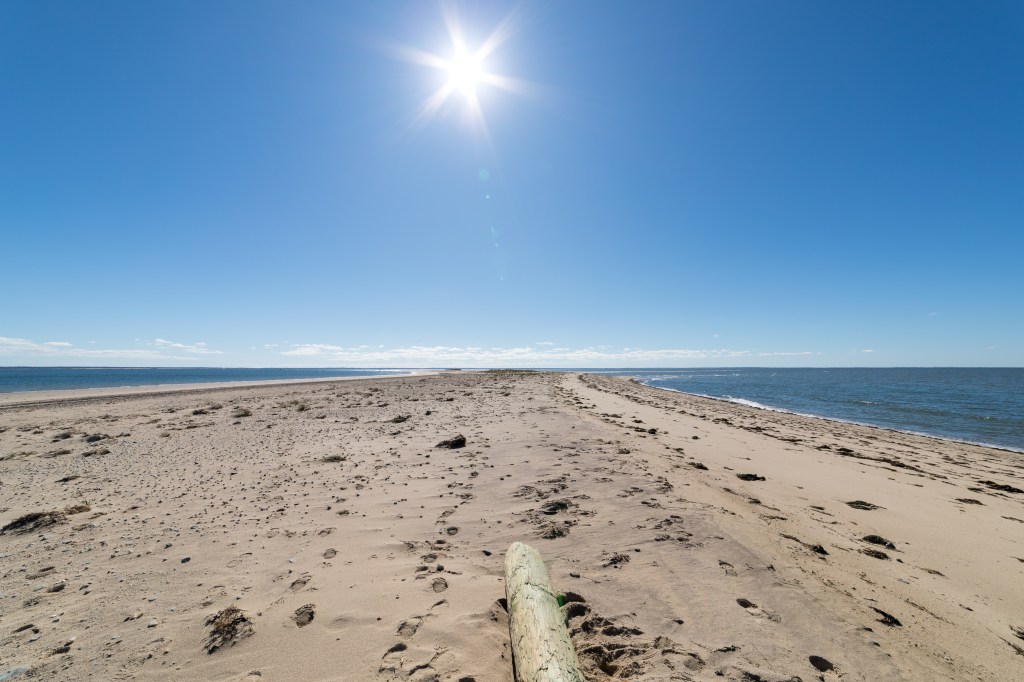
There are lots of secluded beaches on Cape Cod if you don’t mind a little hiking. Abbey and I hiked out a few miles onto Great Island, which is actually now a peninsula, and had the place to ourselves.

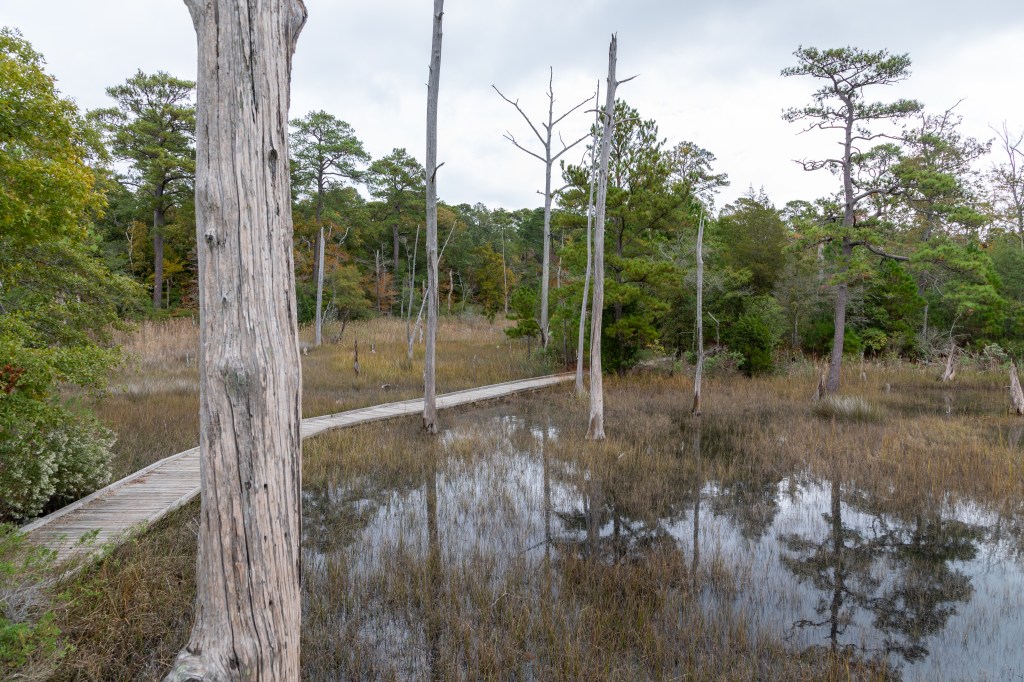
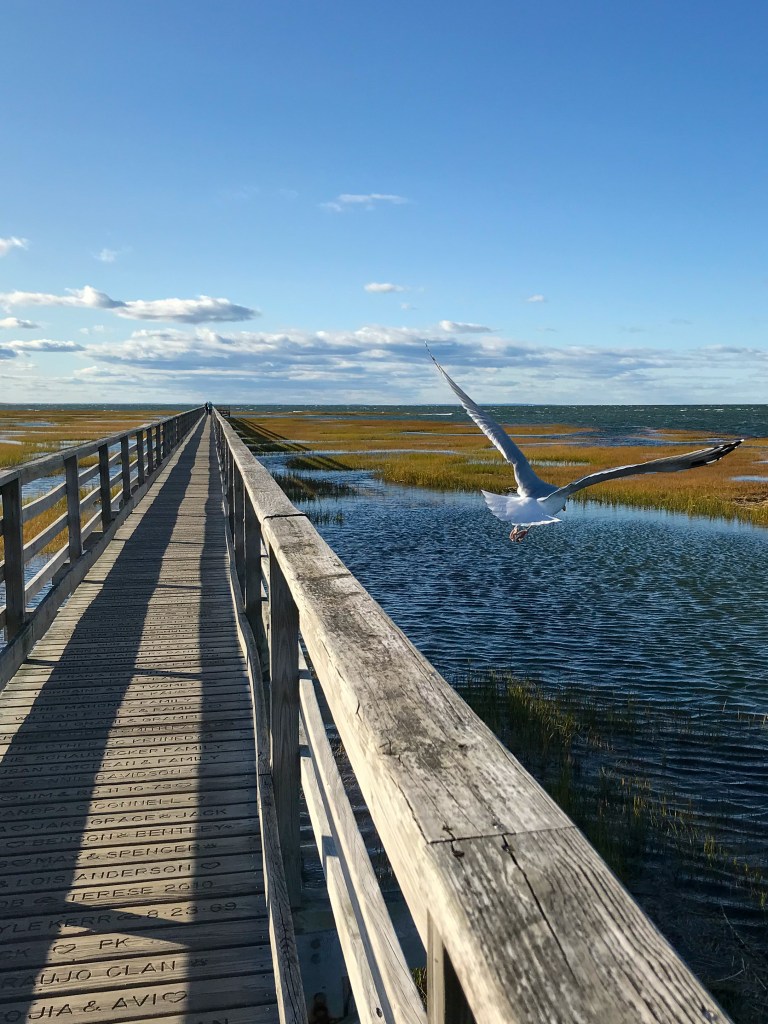
Long boardwalks to nowhere fascinate me.

Cheers!
Buffalo, NY to West Harwich, MA

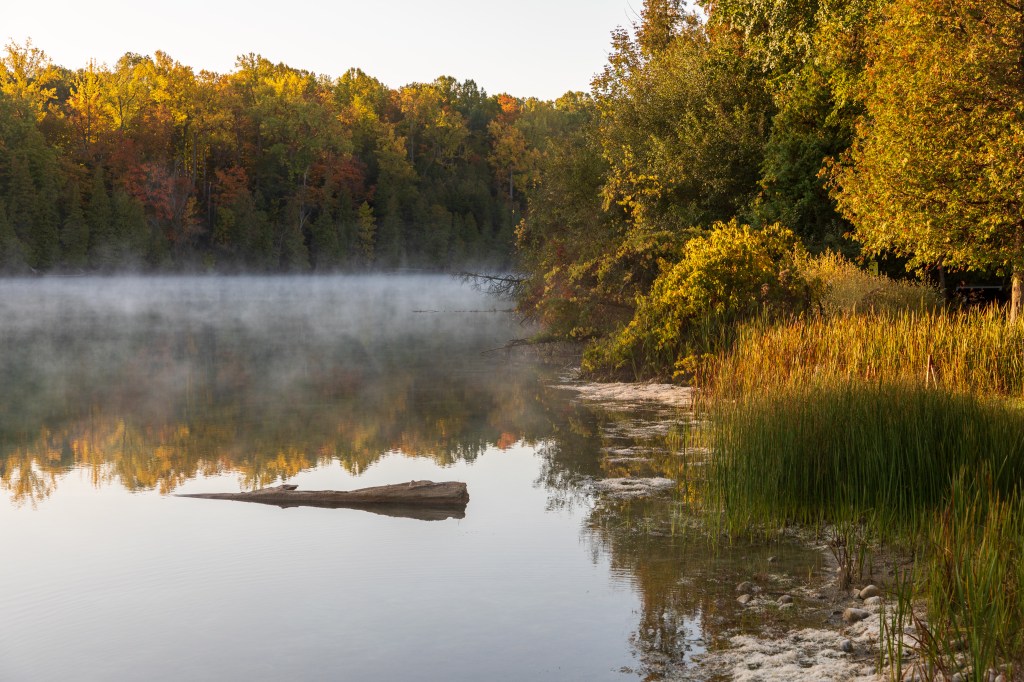
Water in typical lakes mix at least once a year, but meromictic lakes, like in Green Lake State Park, New York, do not mix. Meromictic lakes are exceedingly rare because they require a very deep lake with little surface area, coupled with the right climate. Green Lake is small, but 195 feet deep. The local Onandaga Tribe considered it bottomless.

The significance of a meromictic lake? Without mixing, the sediment is undisturbed. This gives environmental scientists an exciting look into the past environmental and aquatic conditions of the lake. The sediment is so undisturbed that scientists can track changes over thousands of years using a variety of indicators, like pollen. There are only about 30 known meromictic lakes in the U.S.

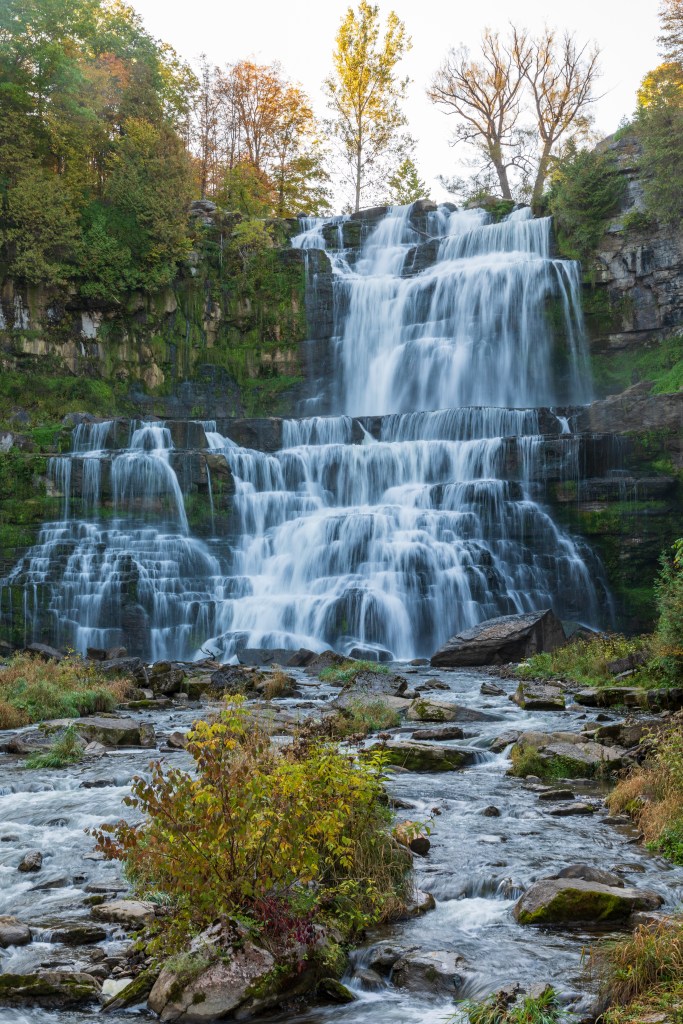
After we left Green Lake State Park in New York, we started a beautiful drive through the changing Fall colors of New York. An unexpected discovery was Chittenango Falls, which we saw from the side of the road and immediately stopped to investigate. The falls are 167 feet high and the bedrock is 400 million years old. “Chittenango” means “where waters divide and flow North.”

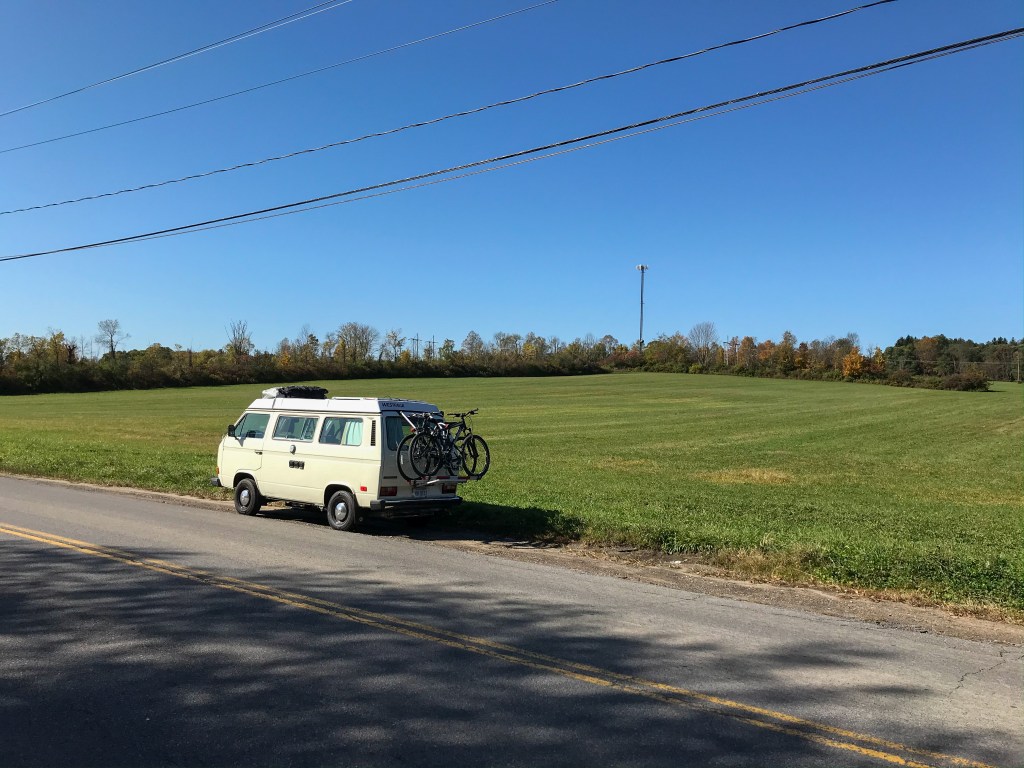
The Battle of Johnstown was the last battle of the Revolutionary War, and it happened 6 days after Cornwallis surrendered to Washington in Yorktown. About 1400 men were engaged in the battle, and 23 died. We stopped at the battleground, and it hasn’t changed at all since the battle was fought. Except there was no cell tower. Or power lines. Or paved road. And the field wasn’t cleanly mowed grass. And there was no Vanagon. But otherwise, it is unchanged…

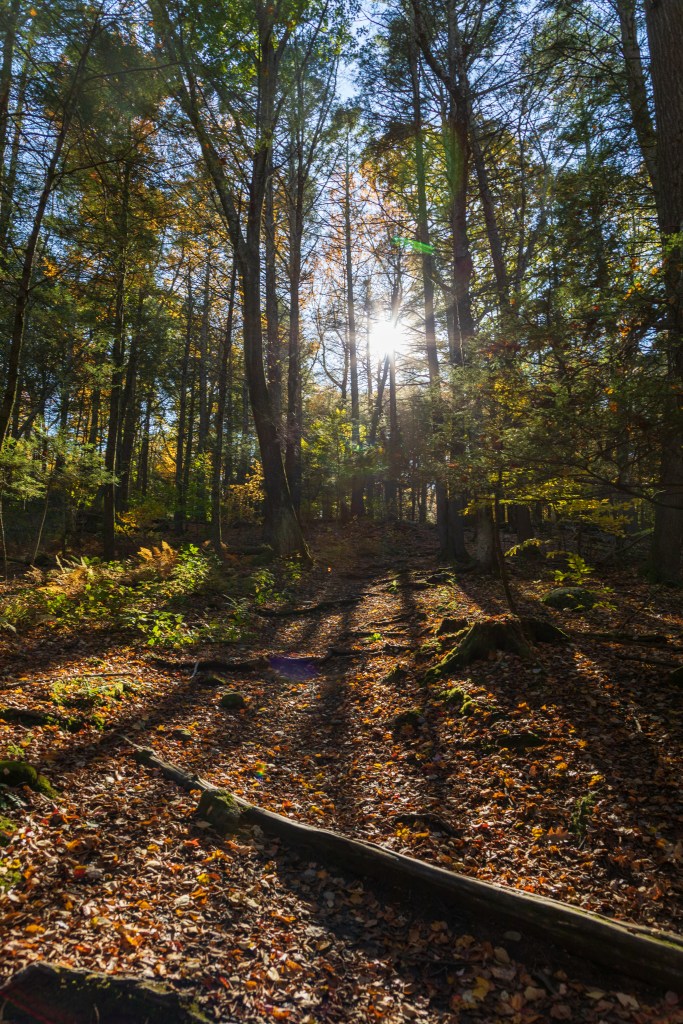
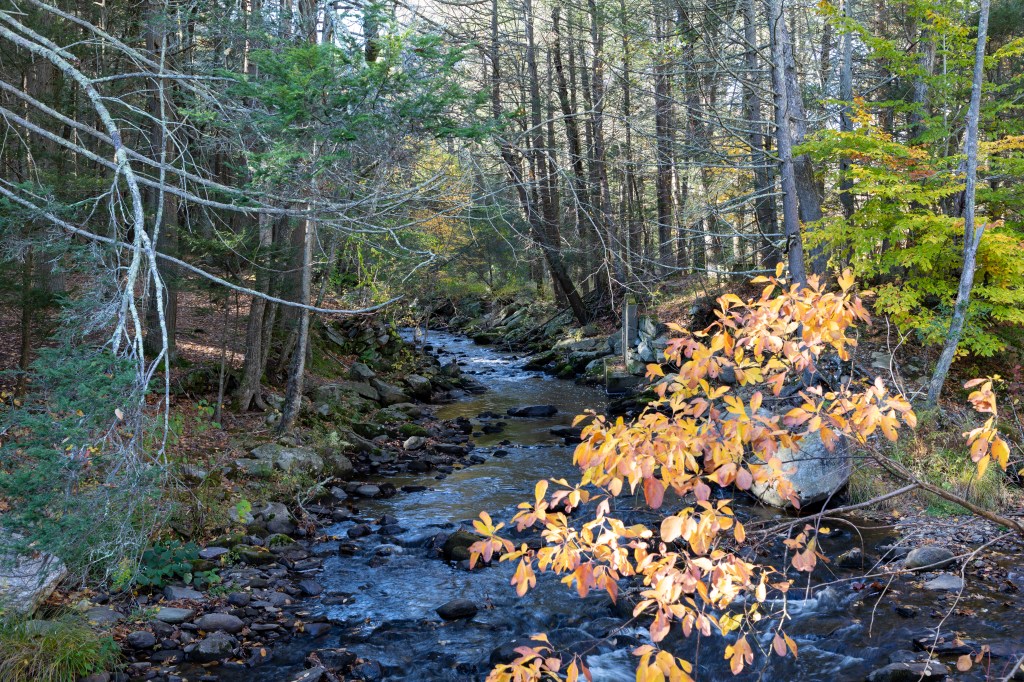
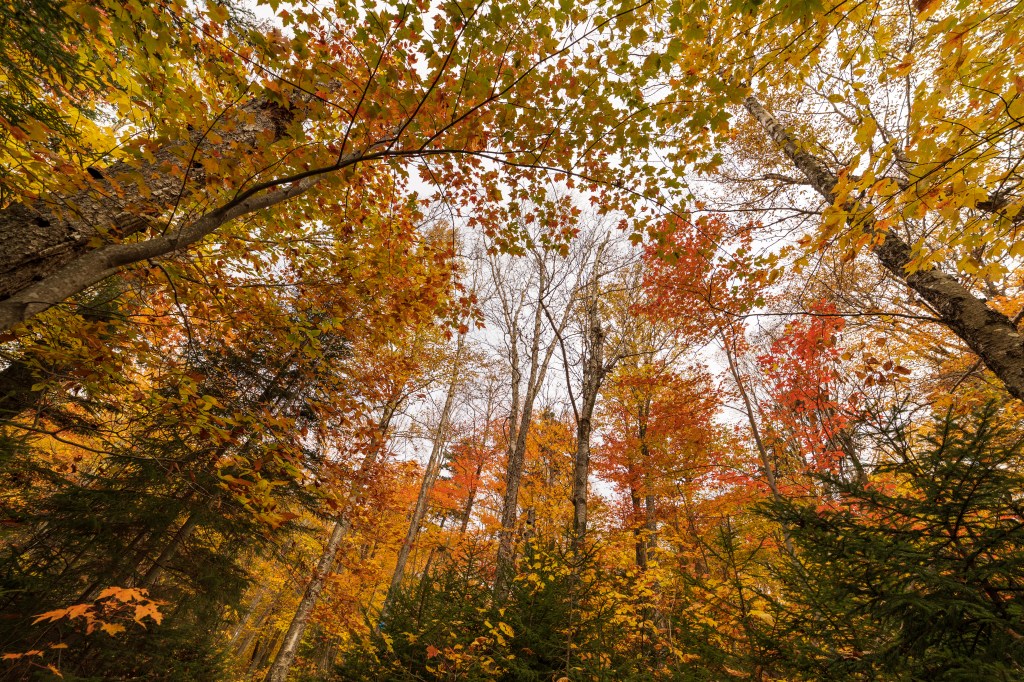
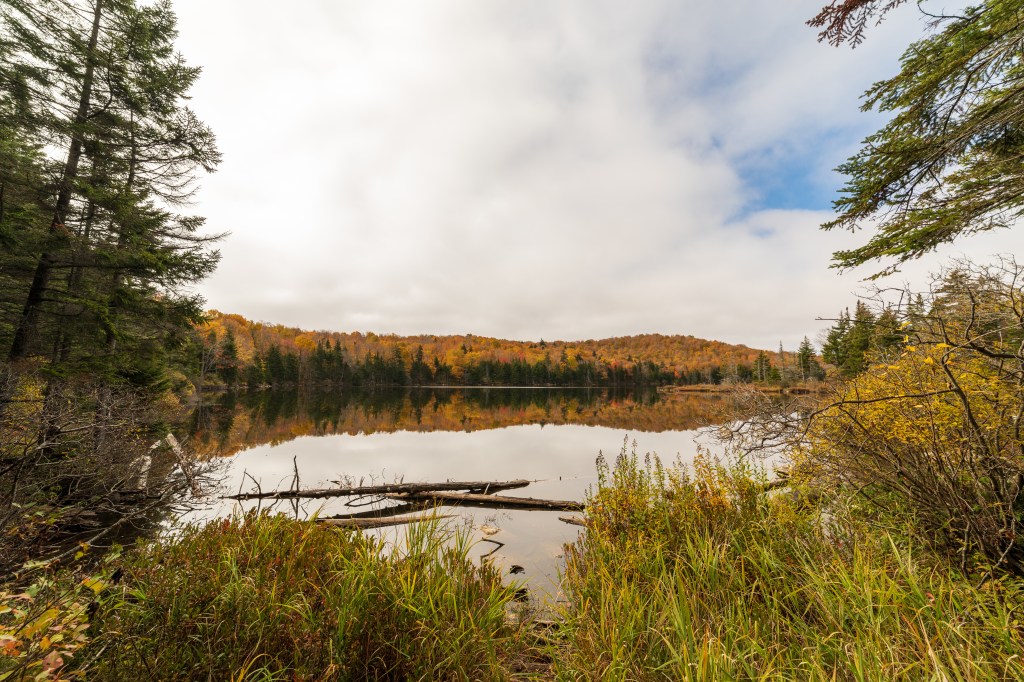
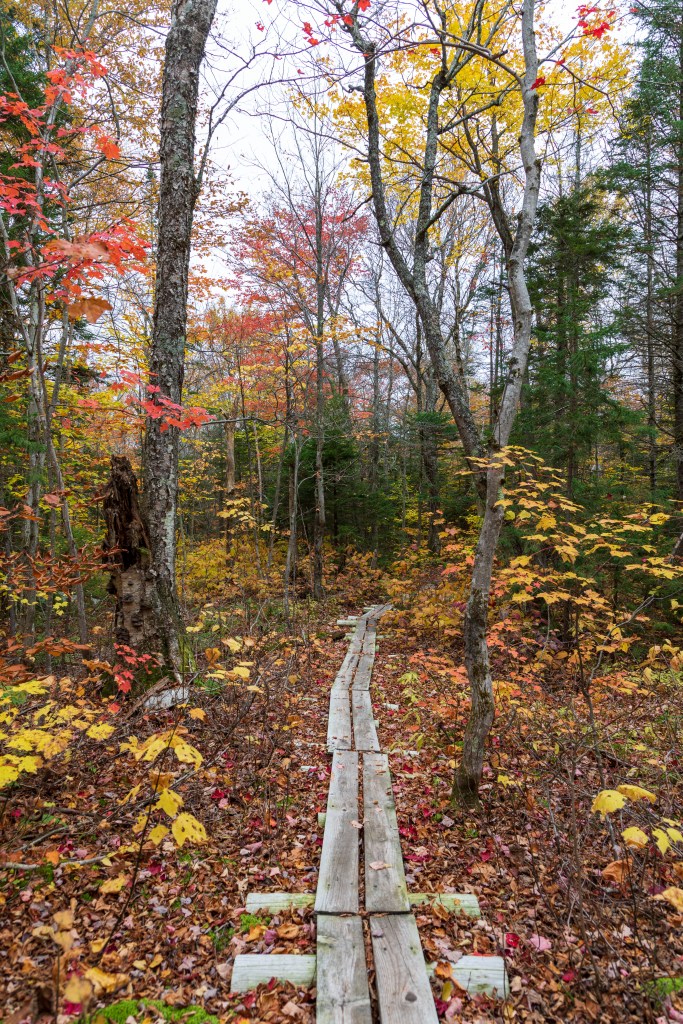
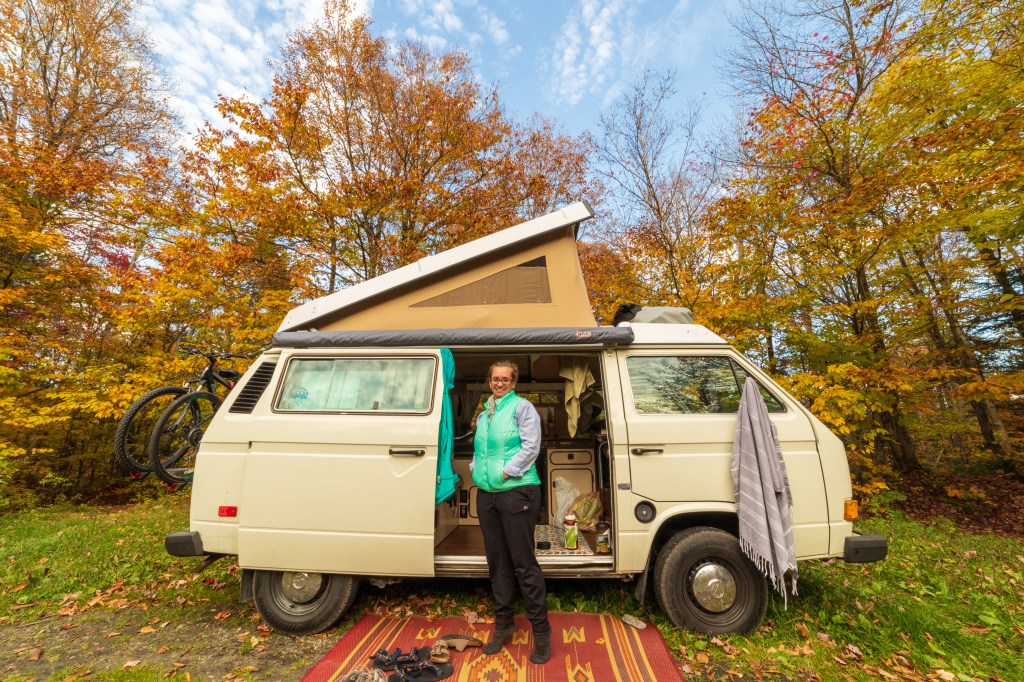
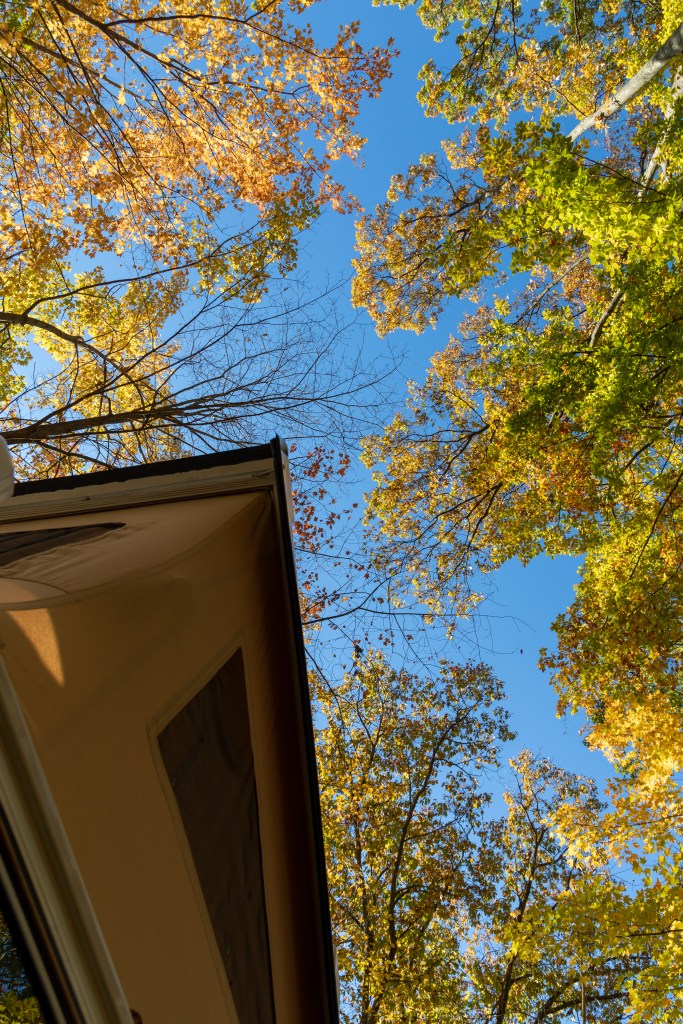
Next was the Green Mountains in Vermont. We stayed here for two nights and hiked some of the Appalachian Trail. We lucked out with some great weather, a dispersed campsite to ourselves, and peak Fall colors.

While Abbey and I were camping, two other Vanagon Westfalias came by. They slowed, honked, and waved before continuing on. Those are the only two other Westfalias we’ve encountered while camping, and both off some tiny forest road in the Green Mountains.

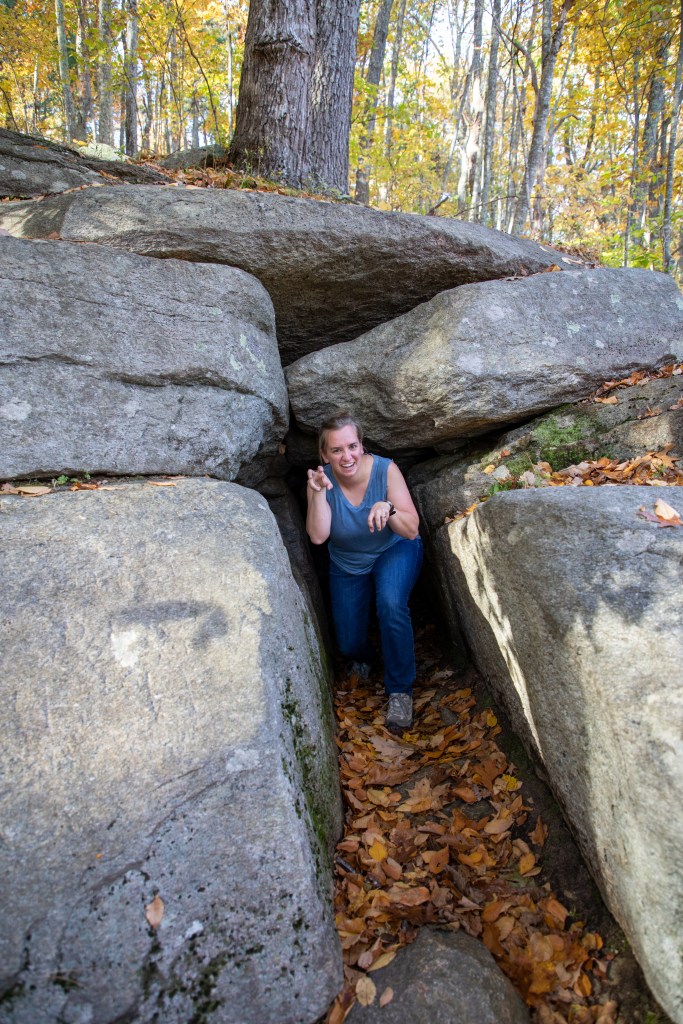
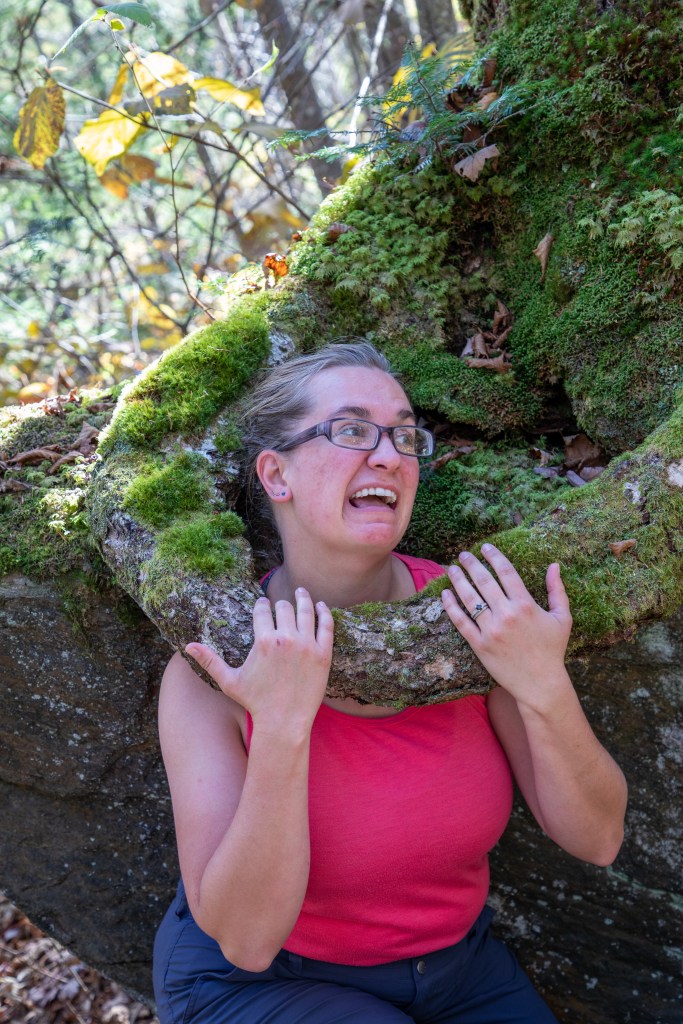
While hiking in the Green Mountains, an Ent suddenly grabbed Abbey. After initial panic and squirming, she was able to convince him that she was not an orc, and then he let her go.

Cheers!