New Orleans to Austin, Texas

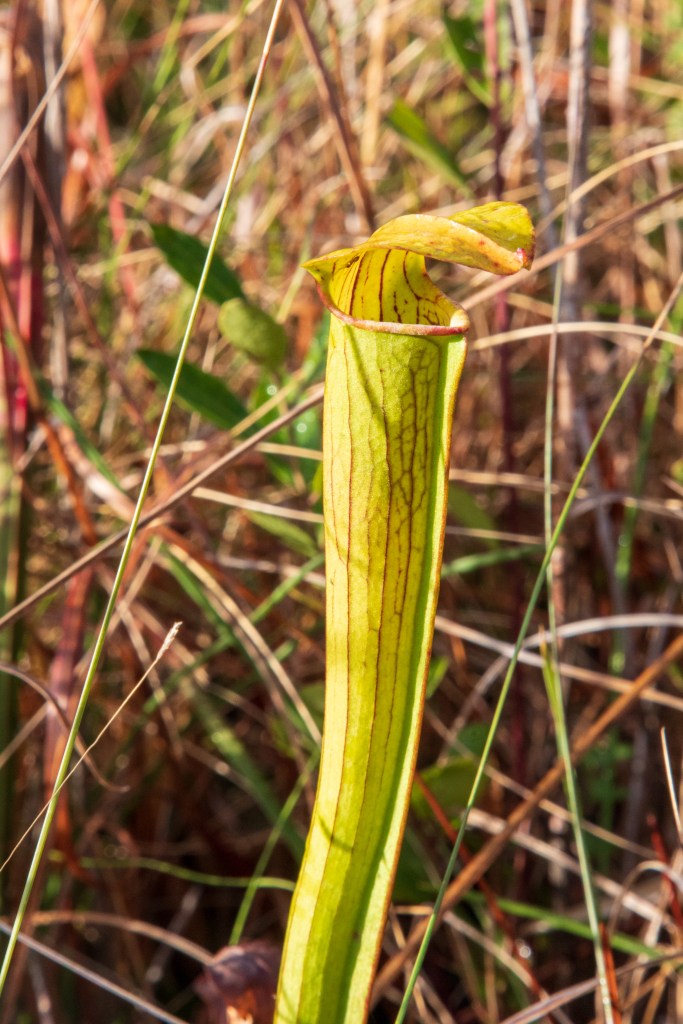
The Mississippi Sandhill Crane is critically endangered, with 129 birds left in the wild. They’re all in or around the Mississippi Sandhill Crane National Wildlife Refuge, and Abbey and I were lucky enough to see two on our visit (didn’t get a picture, though). The refuge was established in 1975 when the population was down to about 35 birds. The NWR has a few miles of great hiking trails and lots of informative signs along the way. There are 10 species of carnivorous plants living in this area of Mississippi, and Abbey and I saw most of them. This pitcher plant traps unsuspecting bugs and then slowly dissolves them alive.
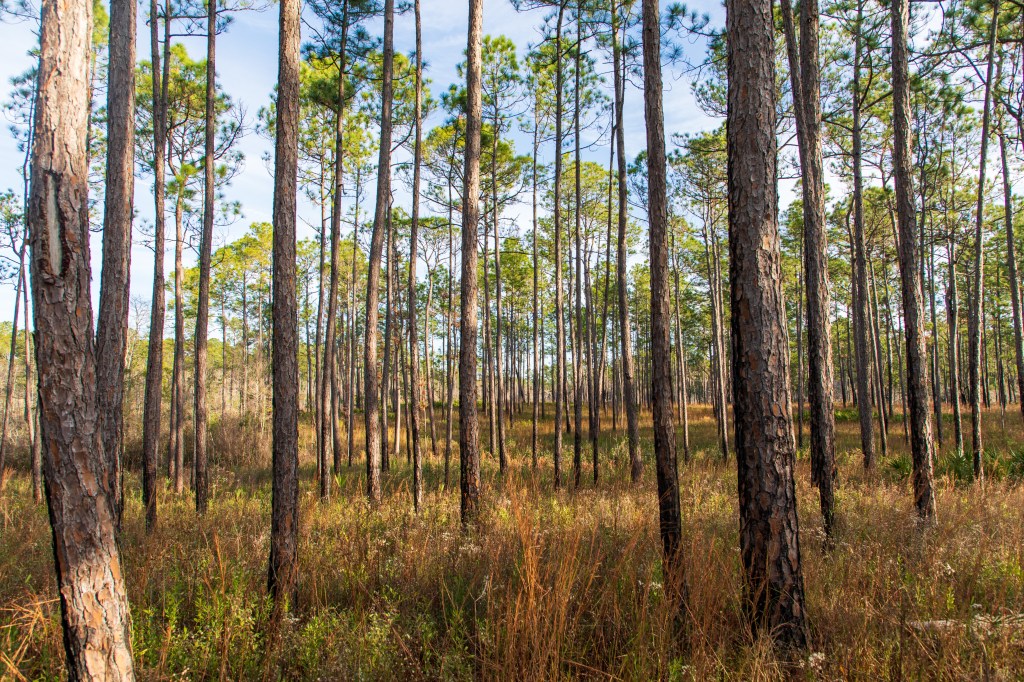
The landscape in the NWR is a mix of beautiful open savanna, cypress groves, and wetlands. The visitor’s center here is thorough and informative. If you’re ever traveling on I-10 through Mississippi, it’s worth a visit.
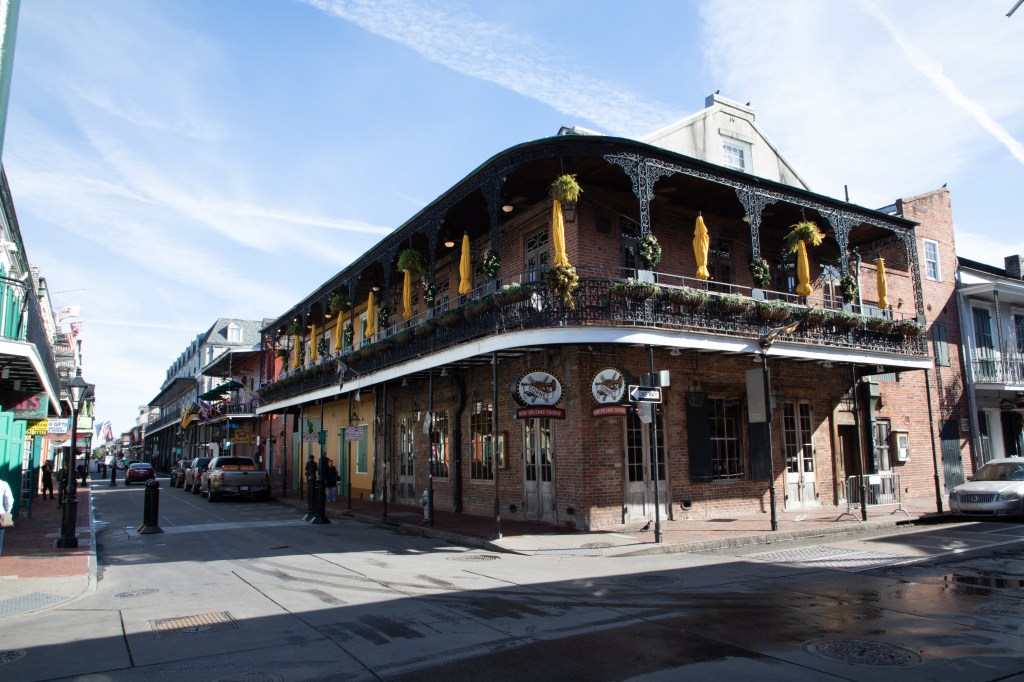
We got into New Orleans around 10AM, which means everyone was still cleaning up from the party the night before. Typical of party towns, the sidewalks were being hosed off and the whole place smelled of stale beer and bad decisions. We walked around, rode the trolleys, and ate beignets at Cafe Du Monde. Lovely.
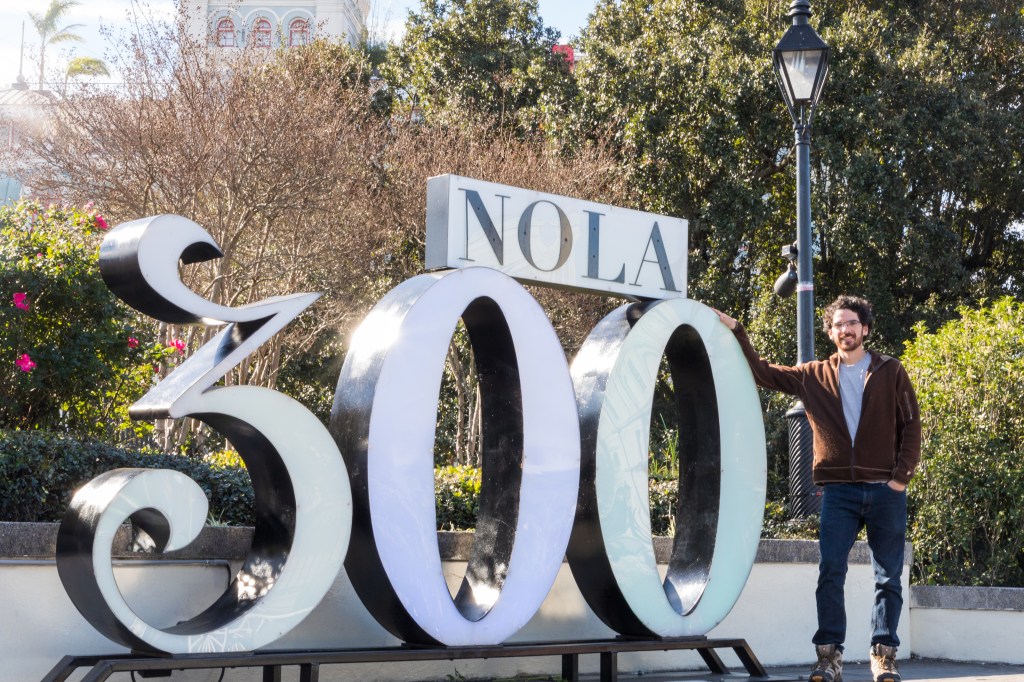
I’ve had a long-standing goal to visit all 50 states, and Louisiana was the last one on my list. I’m very fortunate to have seen so much of the United States already. Now I need to figure out what my next goal should be.
After we left New Orleans, Abbey and I decided on camping in a remote Wildlife Management Area. We drove for miles and miles down dirt roads through thousands of acres of sugarcane fields.
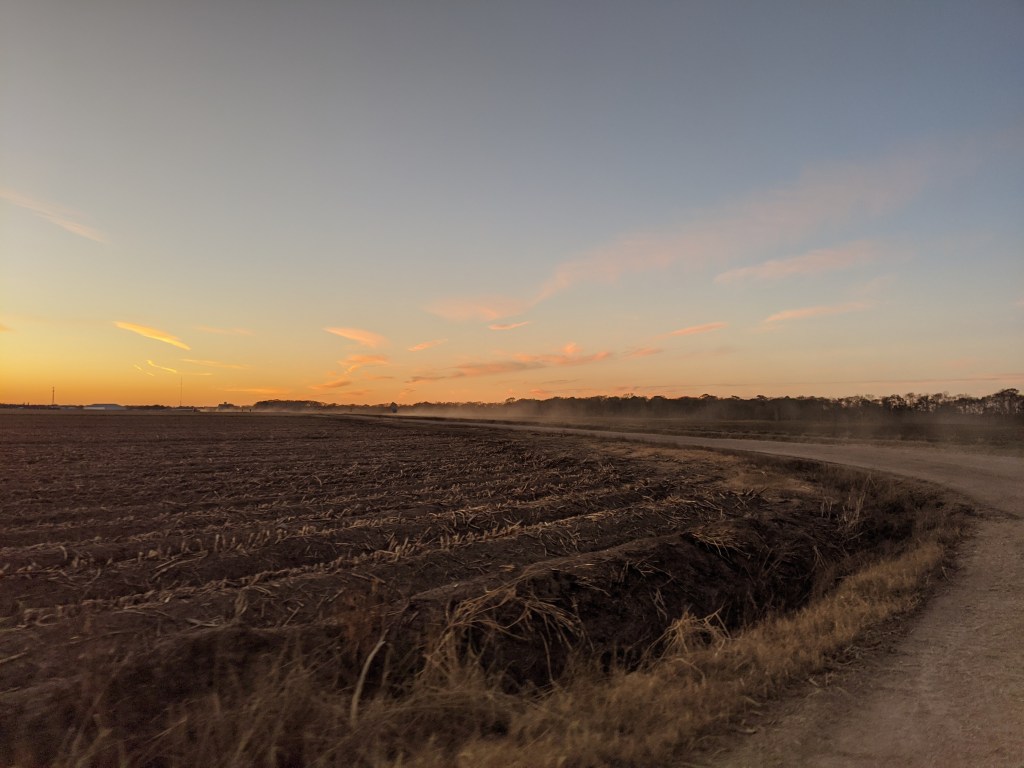
We also drove past some fields that were on fire! Farmers burn the sugarcane fields after harvesting to get rid of the dried stalks and make plowing and sowing easier.

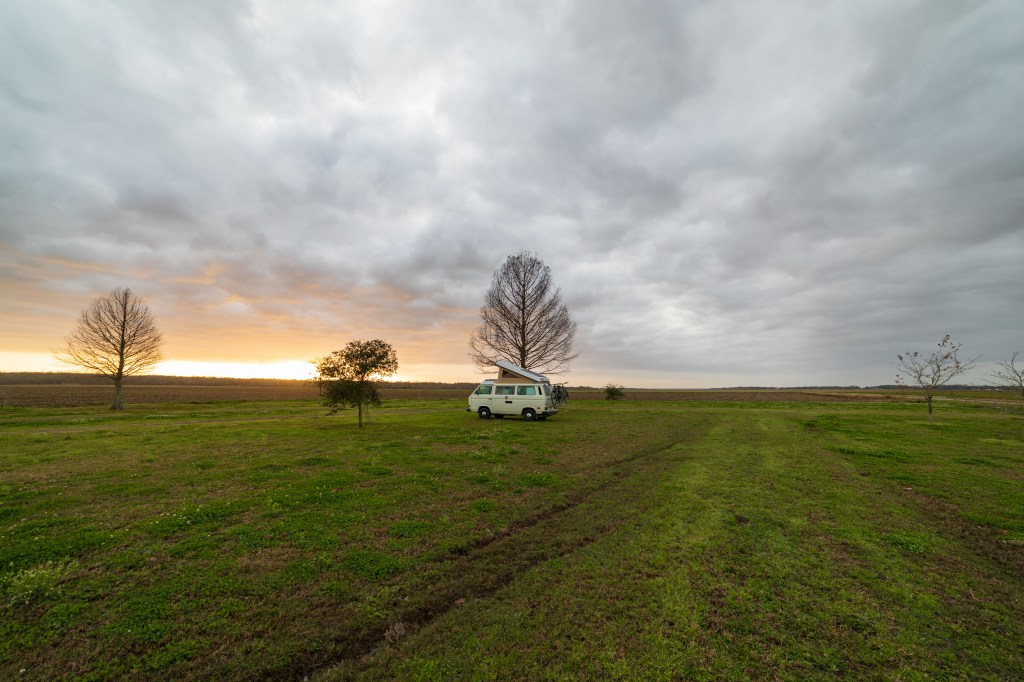
We arrived at our destination and were the only ones there. The campground was just a little patch of grass between the sugarcane fields and the bayou, but it was just what we were looking for.
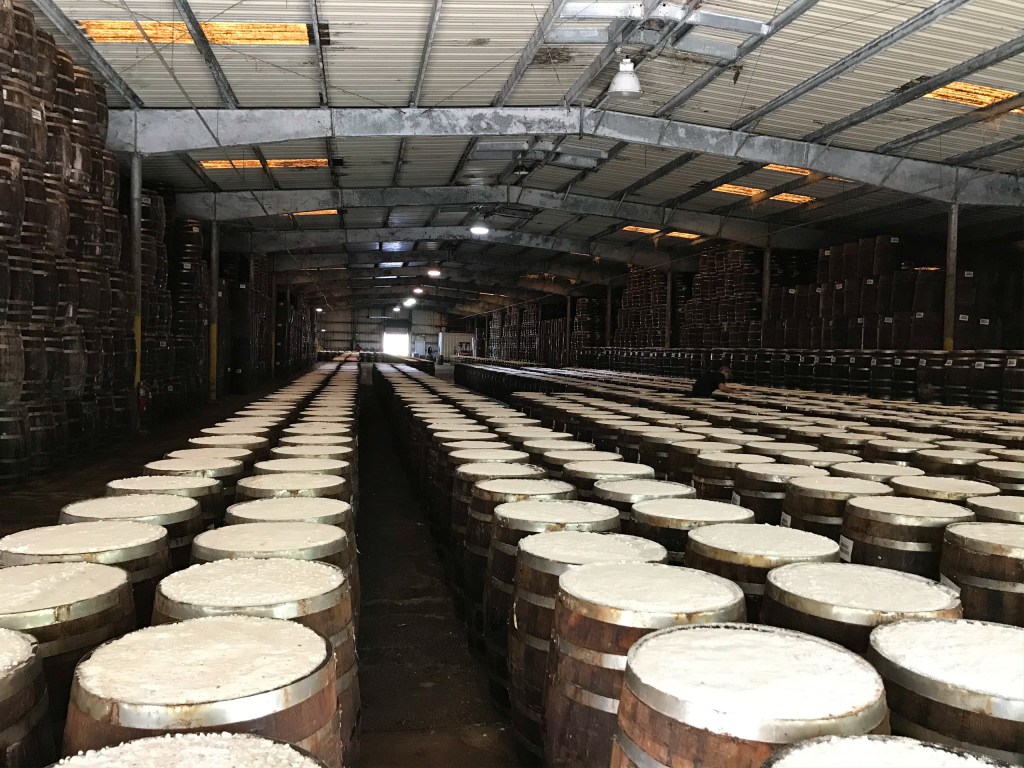
The following day we drove to Avery Island, home of Tabasco! The self-guided tour was fascinating, and shows each step of the process from plant to bottle. I had no idea that all Tabasco is aged for at least 3 years in oak barrels.
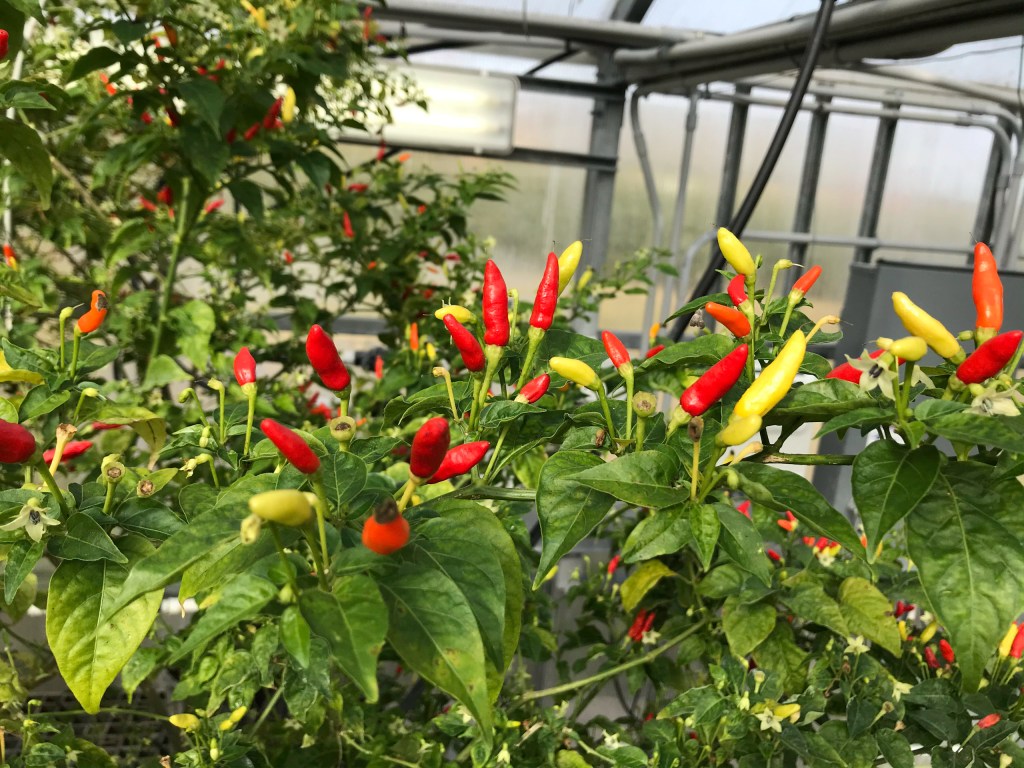
Not all of the pepper plants are grown on Avery Island anymore, but all of the bottling – for the entire world – happens here. That’s a lot of Tabasco.
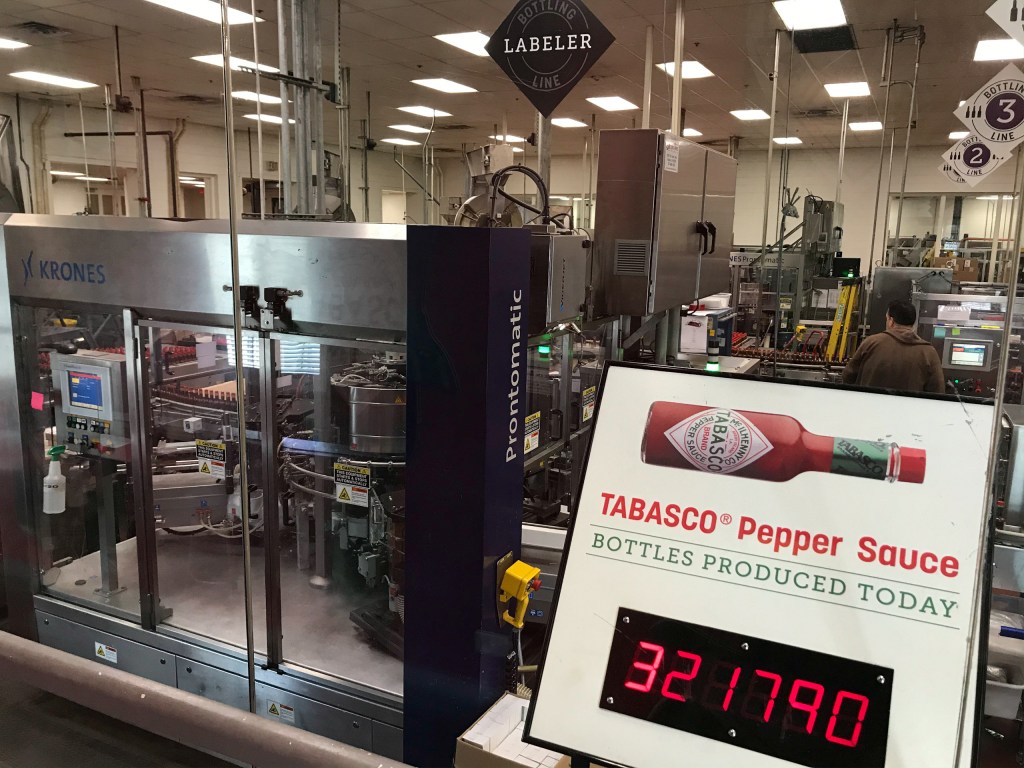
The tour costs $5.50 a person, but you get to sample dozens of Tabasco products (including Tabasco ice cream) and they give you three mini-bottles to take home. The best part of the tour, however, is the smell of mashed peppers, salt, and oak barrels, which permeates everything.

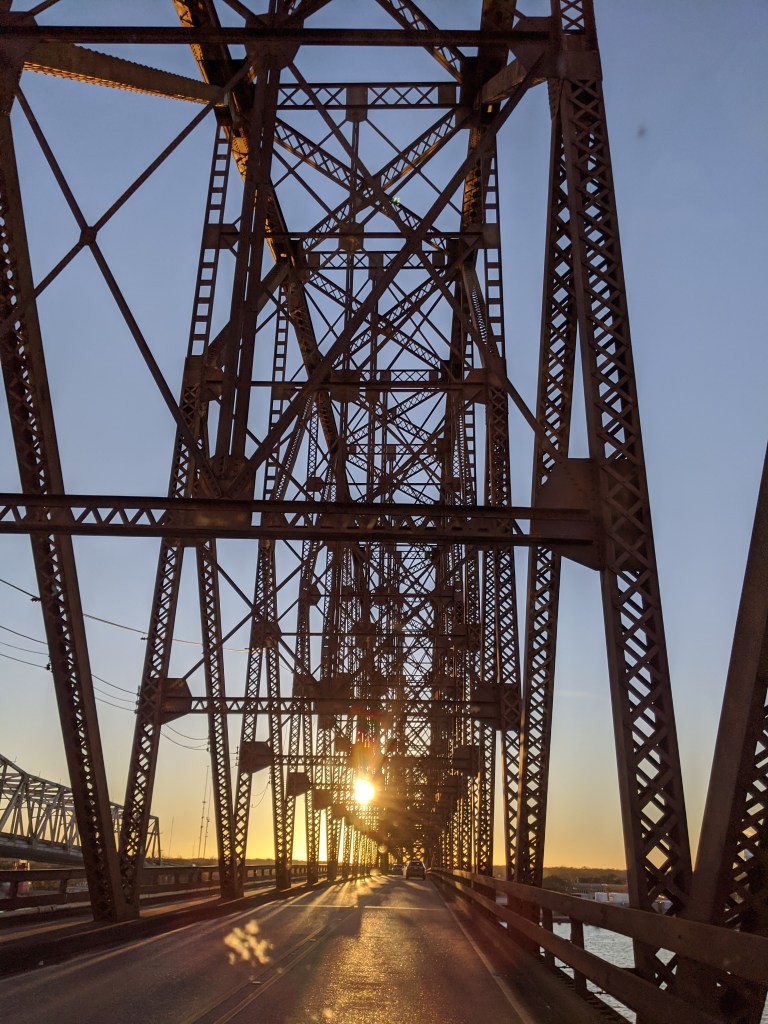
Bridges in Louisiana are old, dilapidated, and plentiful. It’s fun driving across them, but I found myself crossing my fingers a couple times.
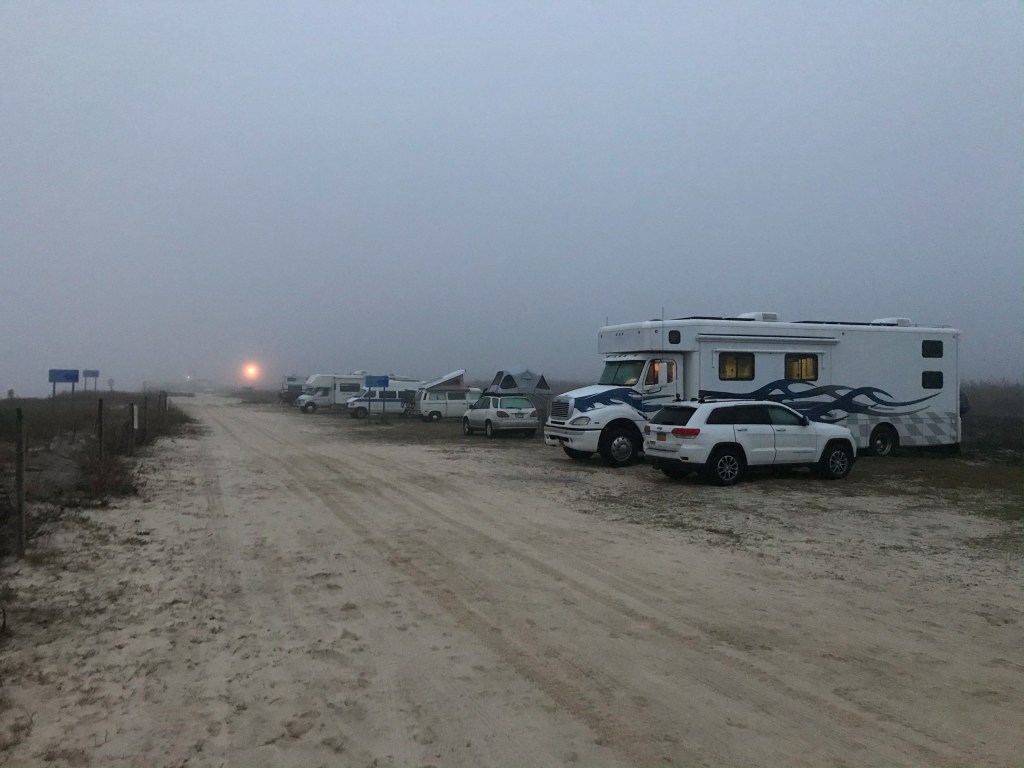
In the evening we decided to camp at a beach, and since it was so remote, we initially thought we’d have it to ourselves like at the Wildlife Management Area the night before. This wasn’t the case. Unfortunately, there are Apps for people traveling in campers. If a location makes it into the App, all bets are off and the solitude of the place is probably ruined forever. It was still a nice camp, though, and we talked to some friendly people from Wisconsin. We also got a little stuck in the sand, but I was able to dig us out in about 10 minutes.
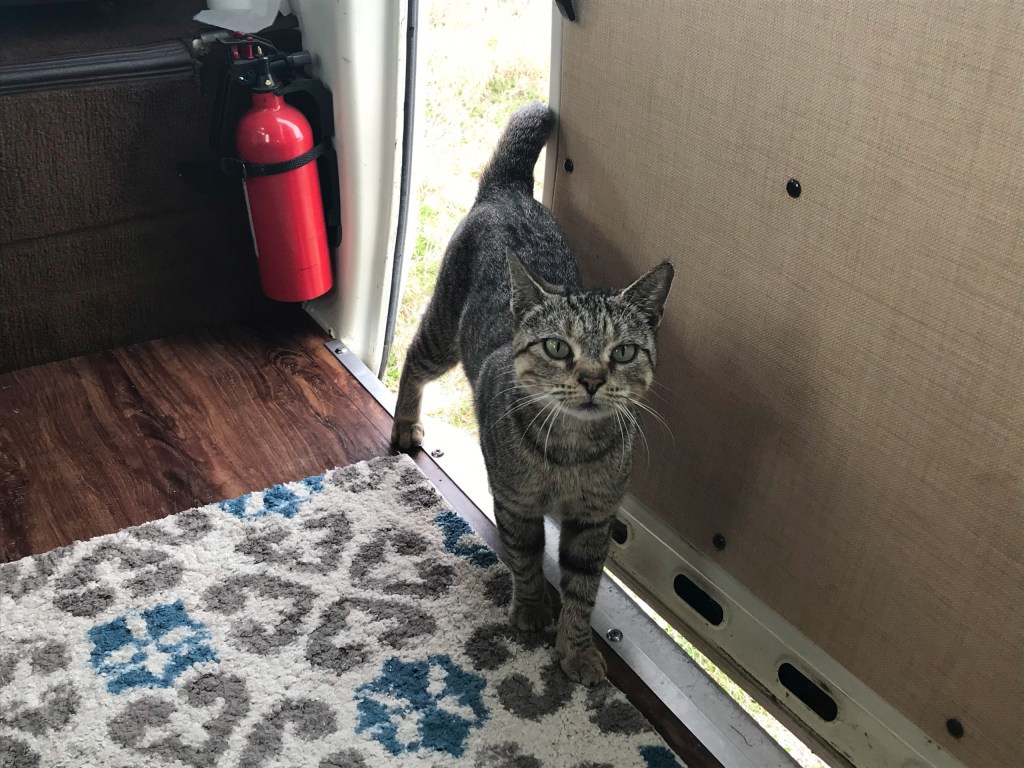
There was a friendly cat at this beach, likely from one of the houses down the road. I wish people wouldn’t let their cats out so much, especially in areas like this where there are signs everywhere saying “Warning – Critically Endangered Shore Bird Nesting Area – Flightless Chicks.” I’m sure this cat is a ruthless murderer. Cute though.
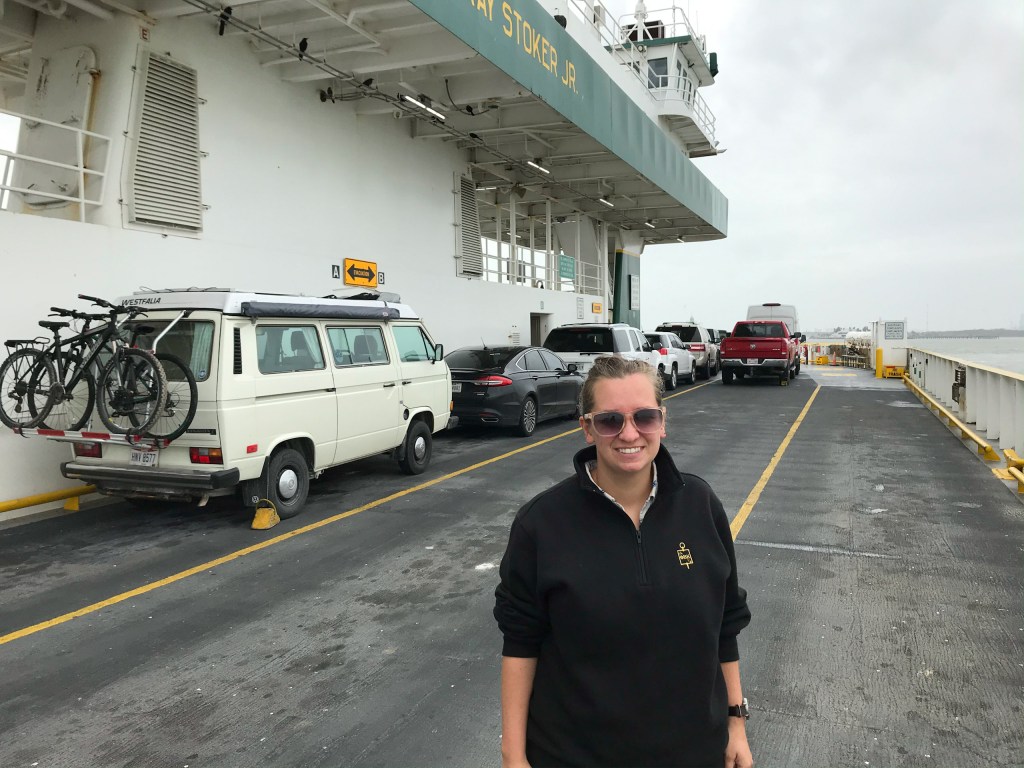
The following day we continued West along the coast. I had never driven onto a ferry before, and getting to do this twice in the same day was really cool! The second ferry took us across very busy shipping lanes into Galveston, Texas.

That night we camped at a state park. The weather was pretty bad; reported wind gusts to 75mph. We dropped the top in Evelyn, and when a tornado warning was issued at midnight, Abbey and I ran to the shelter house and hung out in the women’s bathroom for an hour. It was so windy I could feel the pressure changes in my ears. We were fine, and so was Evelyn.
As we started inland into Texas, the scenery changed quickly to the rolling hills and savannas of Texas. We stopped at the Attwater Prairie Chicken National Wildlife Refuge. Like the Mississippi Sandhill Cranes, these birds are critically endangered and live entirely on or around the NWR. There are 102 birds left in the wild. We hiked the trails for hours, seeing none, until finally we flushed up maybe a dozen as we were walking back to Evelyn. It’s hard to tell the difference between these and other species of prairie chicken, so I can’t be certain, but I like to think we saw the real deal.
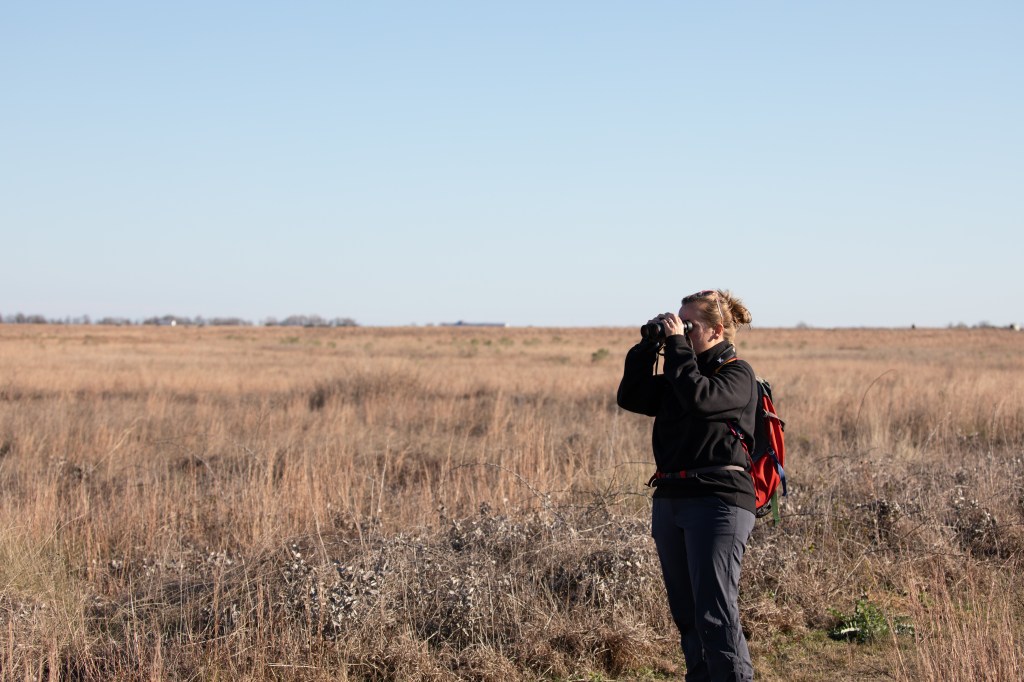
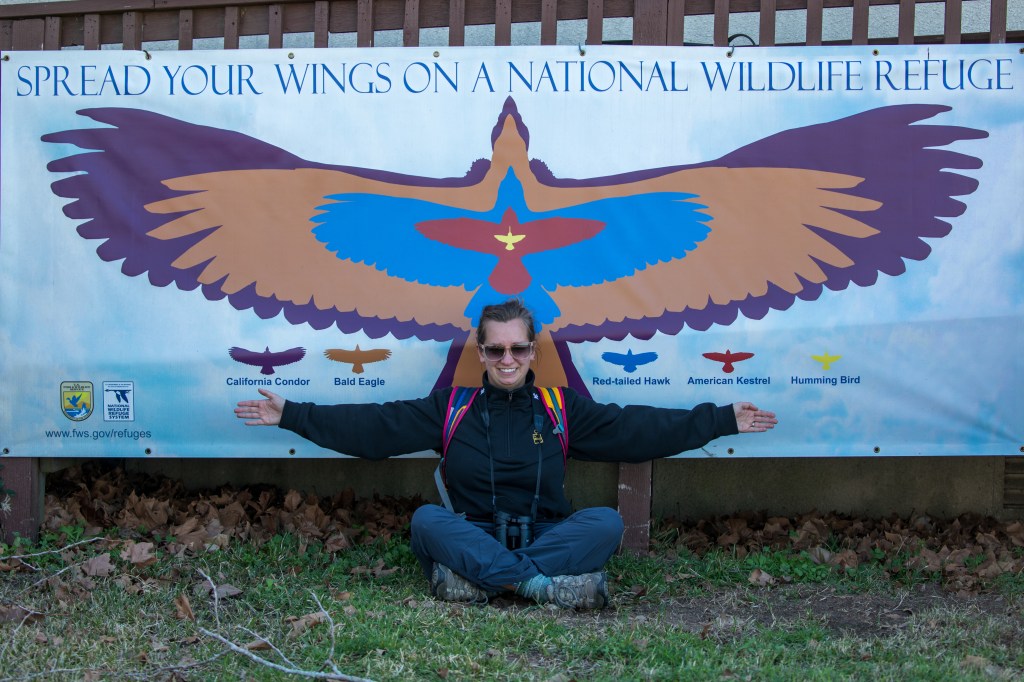
Abbey is larger than a Red-tailed Hawk but smaller than a Bald Eagle.
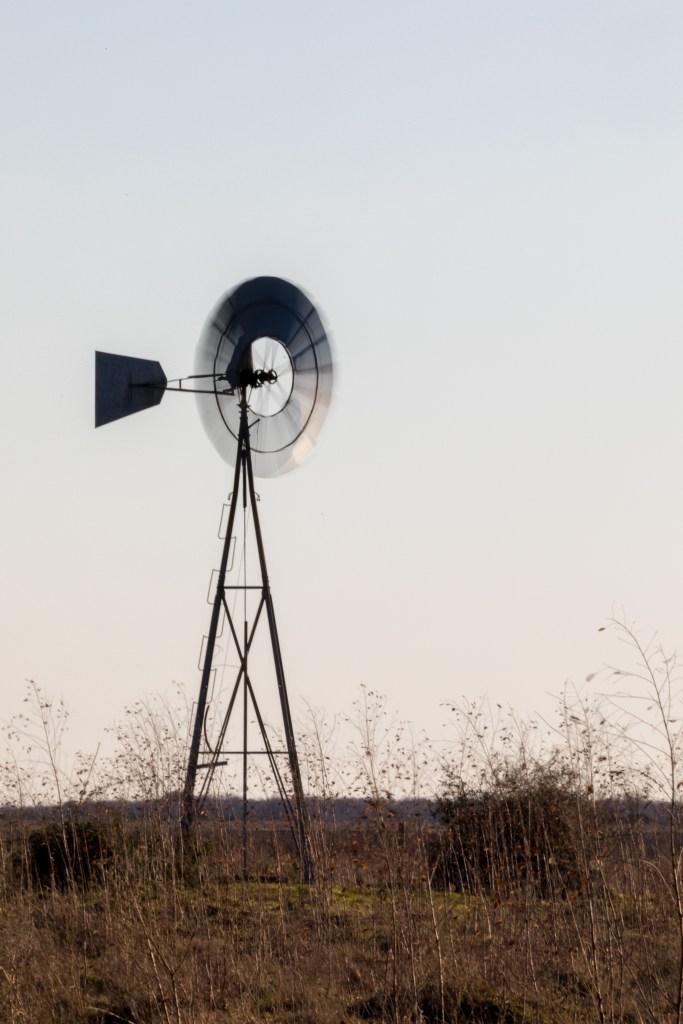
Austin, Texas is a hip, trendy town that reminds me a lot of Columbus, Ohio – just with different architecture. We met up with Abbey’s friend Ben, who took us on a great tour of the city. The capitol building of Texas is taller than the Nation’s capitol.

A bridge in Austin is home to some 750,000 bats – a renovation project in the 1980’s purposefully added slits in the underside concrete to allow the bats to make their home there. You can hear them when you walk under.

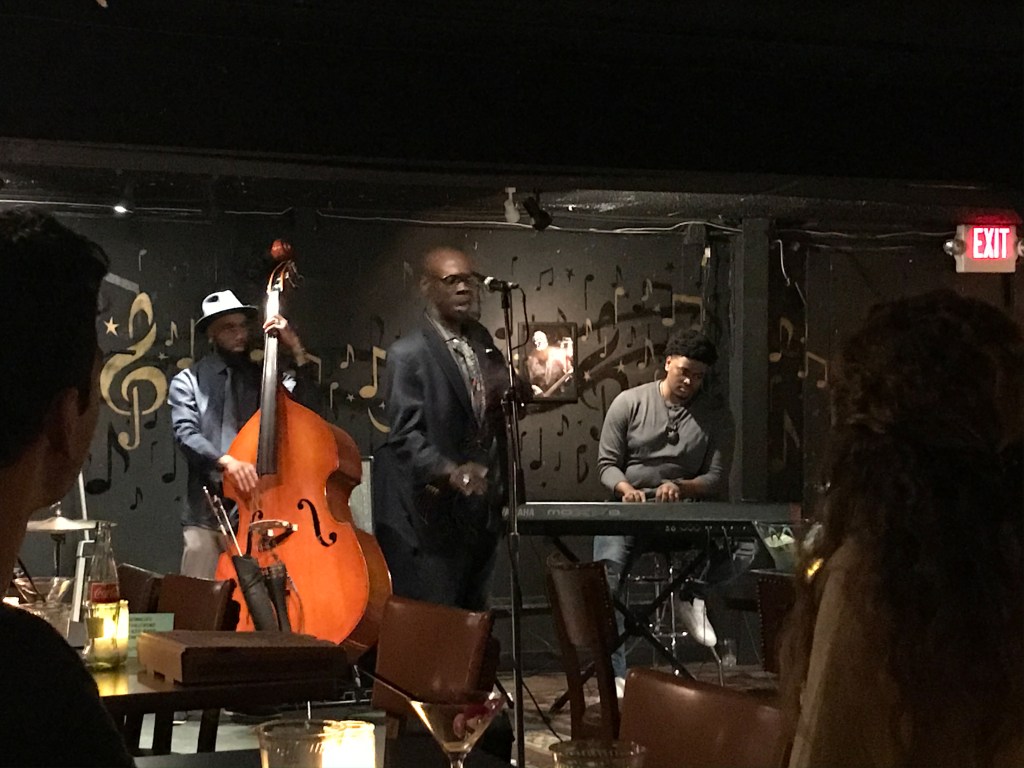
At night, we went to a local bar/lounge and listened to a pretty great local jazz/blues band. It was a fulfilling way to round-out our time in Austin.
Now we’re headed to Big Bend National Park.

Cheers!
Leaving Florida

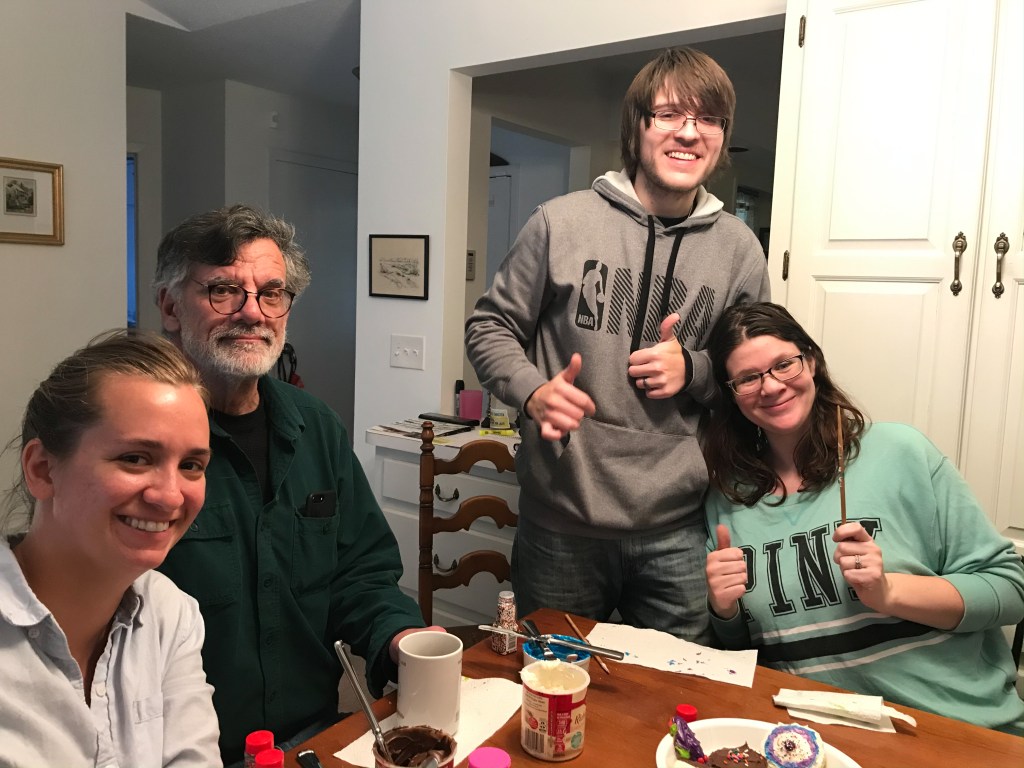
The holidays have come and gone, and Abbey and I were fortunate enough to spend the time with family and friends. We left the van in Florida and flew up to Ohio for two week of excessive eating and relaxing.

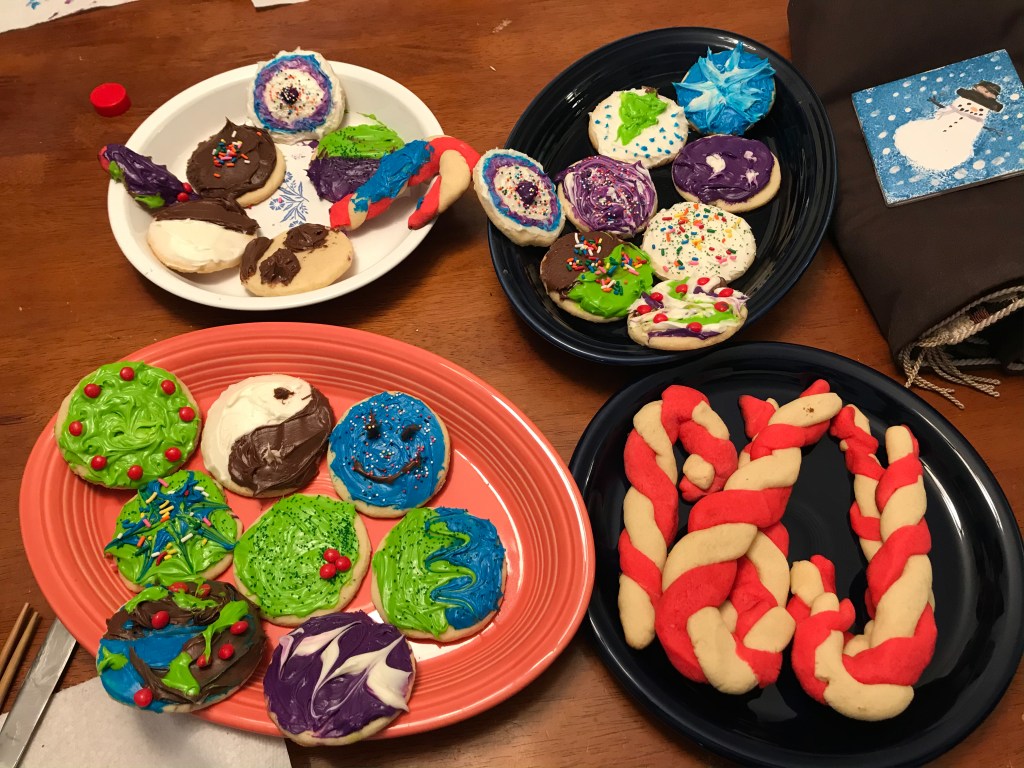
We made lots of cookies, including the candy cane cookies that Emily and I always made with mom when we were kids.

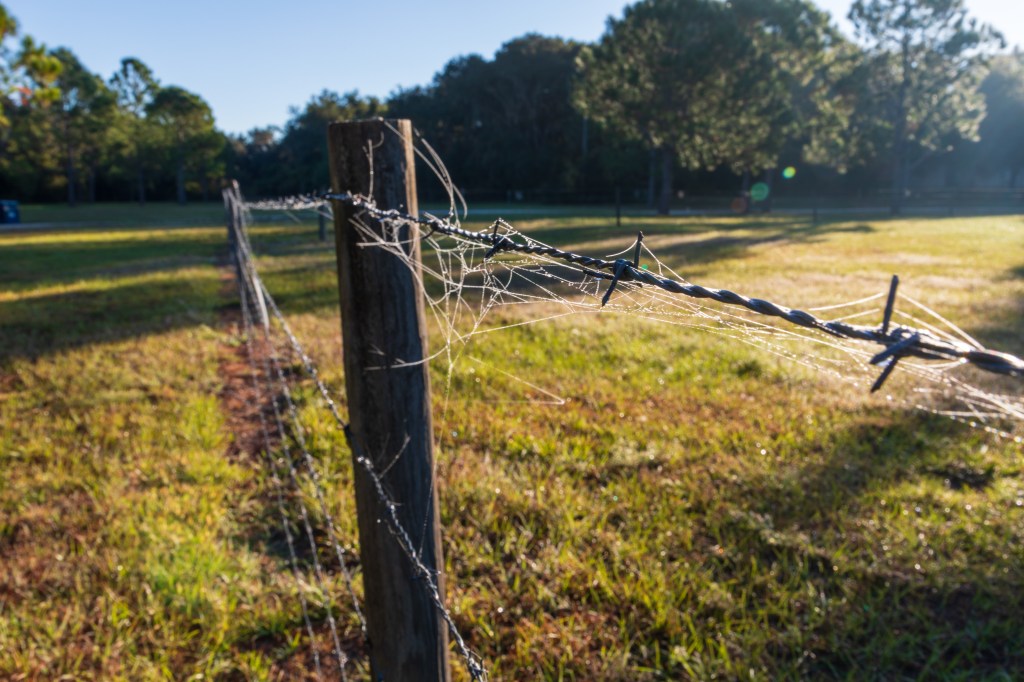
When Abbey and I flew back to Florida (now in the year 2020), we had a new objective: get out of Florida. We’ve been in the state a month now, and have really enjoyed everything it has to offer, but we’re ready for something new. Evelyn started right up after sitting for two weeks and we headed North out of Lakeland around noon.

We drove all the way to the panhandle and got to Goose Pasture campground after sunset. The campground, which is a free camp in a wildlife management area, was closed because of hunting season. Abbey and I decided to be naughty and stay the night since 1) It was already after dark and no one should be hunting, and 2) we drove 12 miles down bumpy dirt roads to get to this place. The campground was spectacularly quiet and dark – eerily so. We were awoken around 9 and then again around midnight when some guys came by in their boats with ultra bright spotlights. Not sure what exactly they were doing. We left around 5:30 in the morning to get out before any hunters came in, and indeed we passed several on the dirt roads on our way out. Goose Pasture was nice, but I was disappointed because there were no geese. Also, we’re still in Florida.

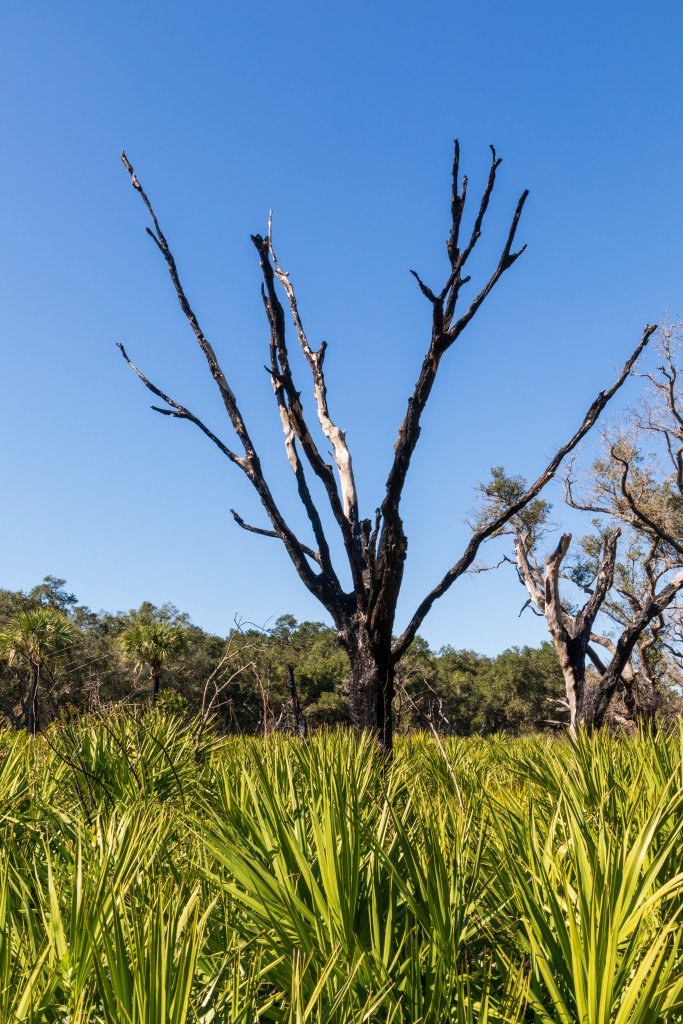
For about 100 miles, we saw serious hurricane damage from the 2018 category 5 Hurricane Michael. Mexico Beach was the worst hit, and hundreds of houses and buildings were in ruin and nearly all the trees were snapped halfway up. For some reason, we didn’t take pictures. I guess we were busy taking it all in and looking around with our jaws hanging open. “You mean that hurricane was two years ago and it still looks like this?!?!?!”

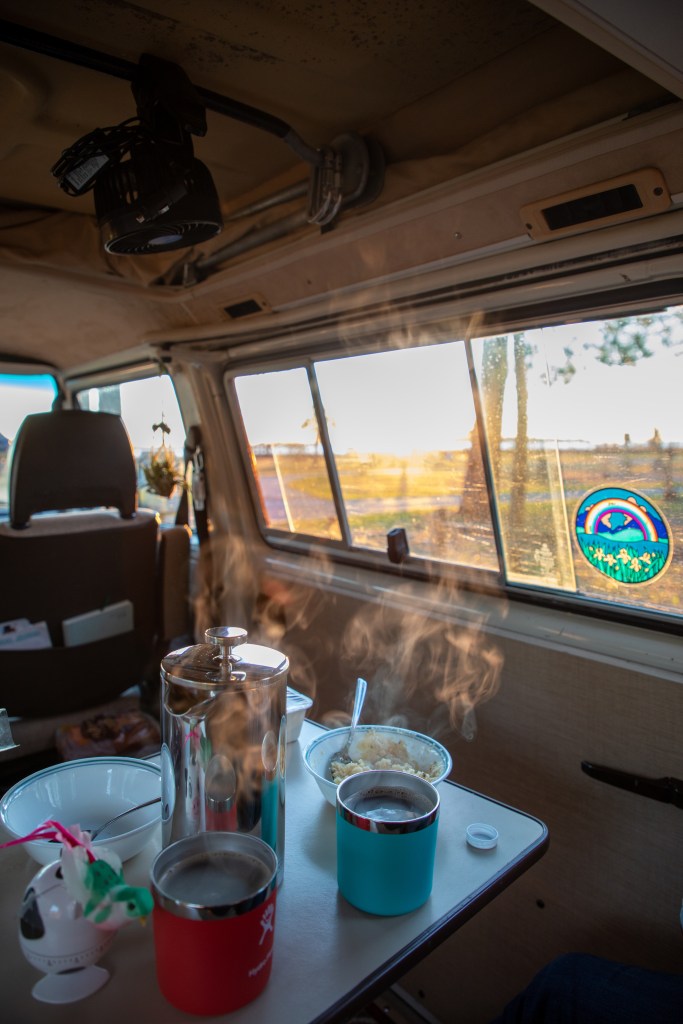
I really enjoy coffee, and I’m sure not suffering on this trip. Every morning we hand grind beans and then enjoy hot french-press coffee.

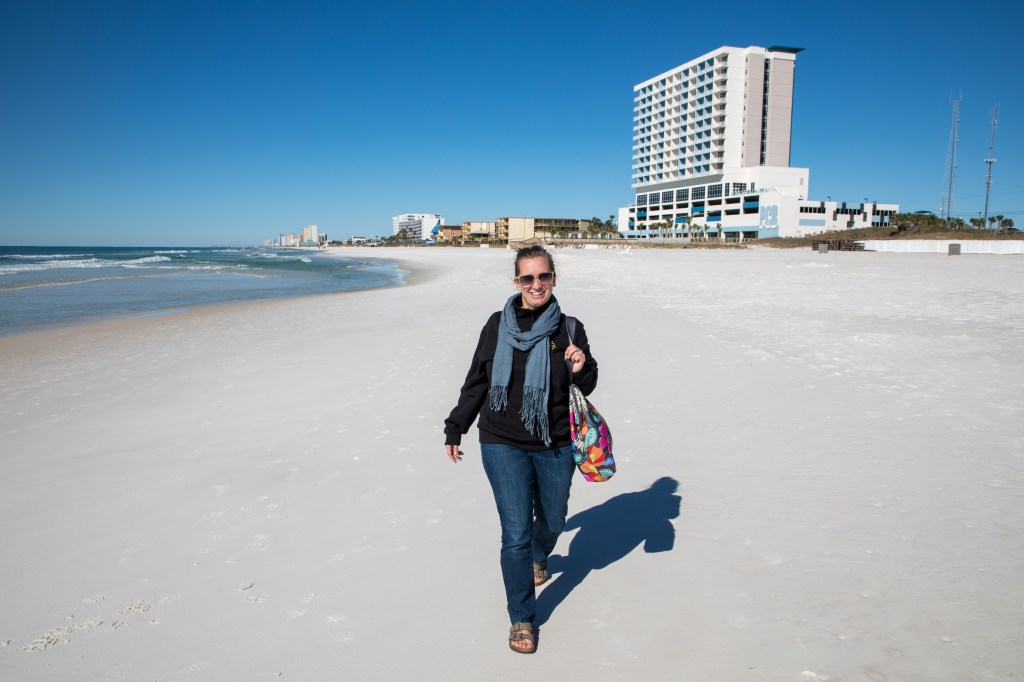
Panama City has nice beaches, and since it’s up in the panhandle and also because it’s January, there weren’t very many people around.

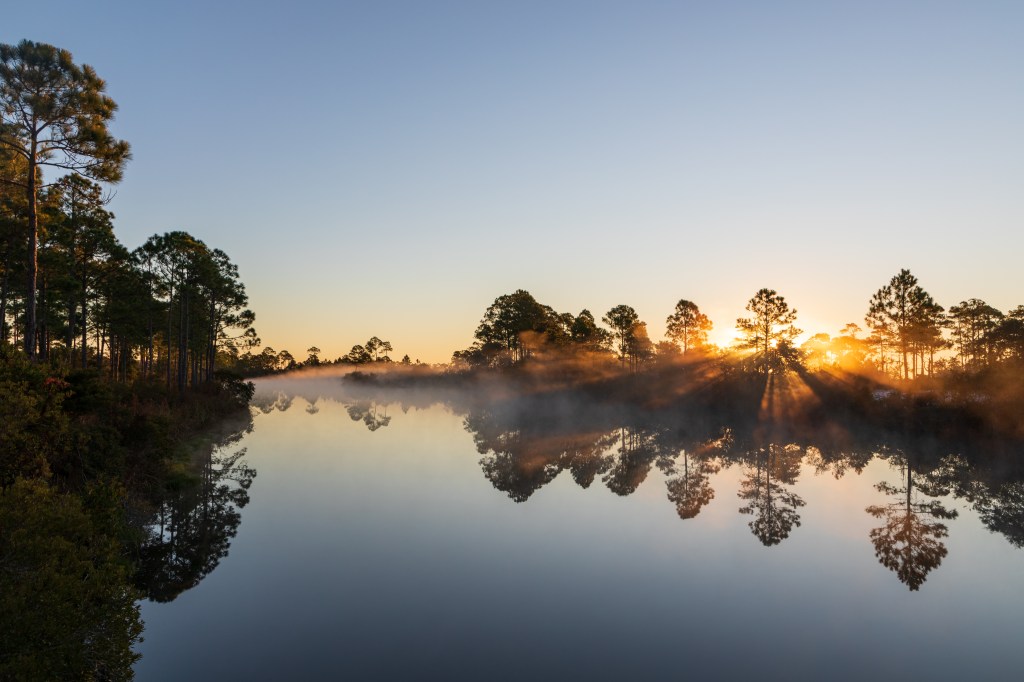
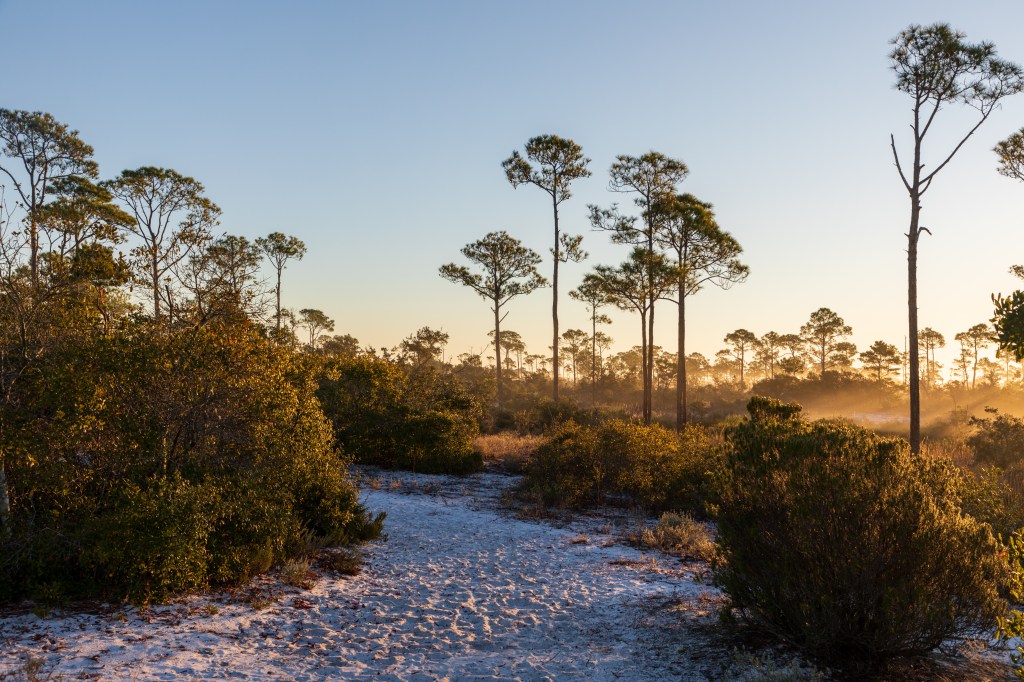
Big Lagoon State Park, at the very western tip of the Florida panhandle, has some nice hiking trails and great hot showers. We chose to make this campground our last night in Florida. In the morning, we saw a lovely sunrise over very still water.

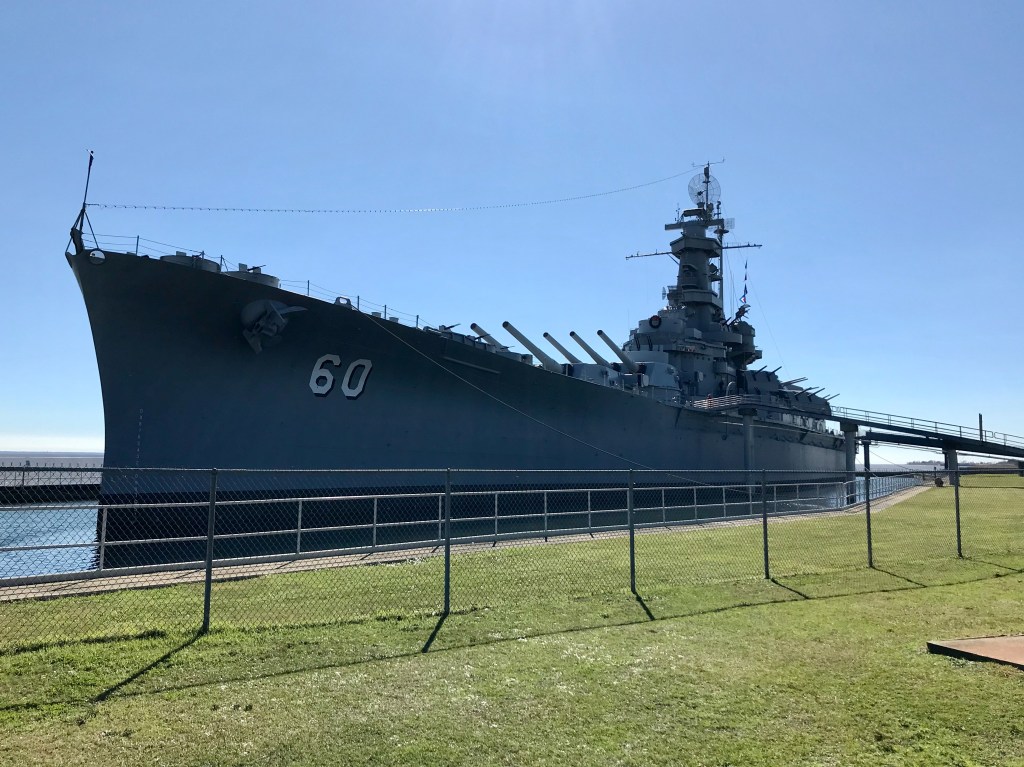
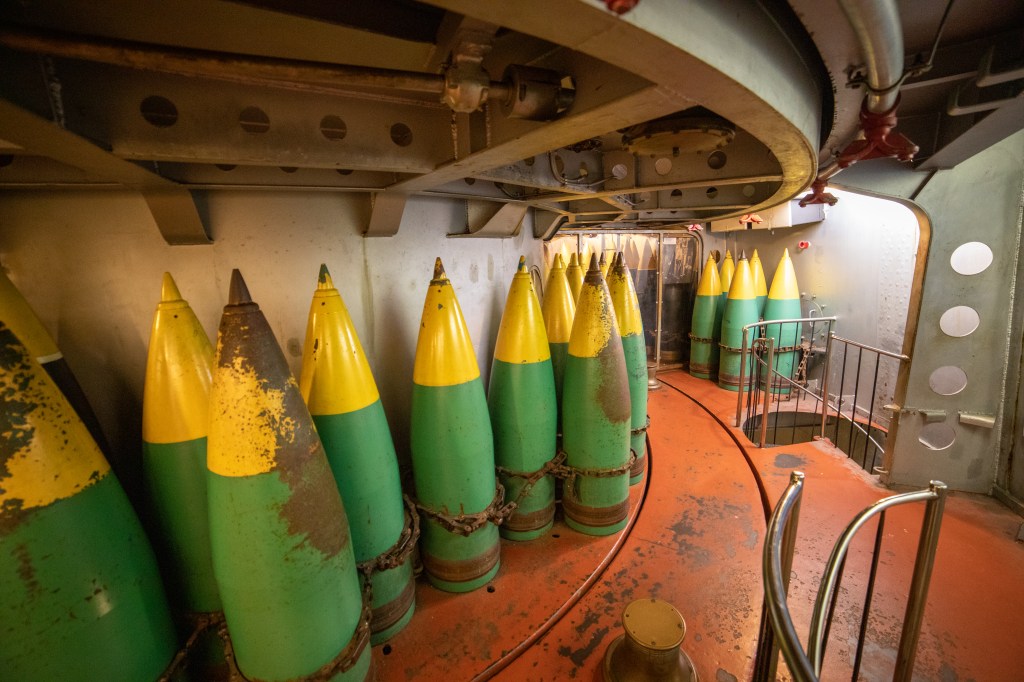
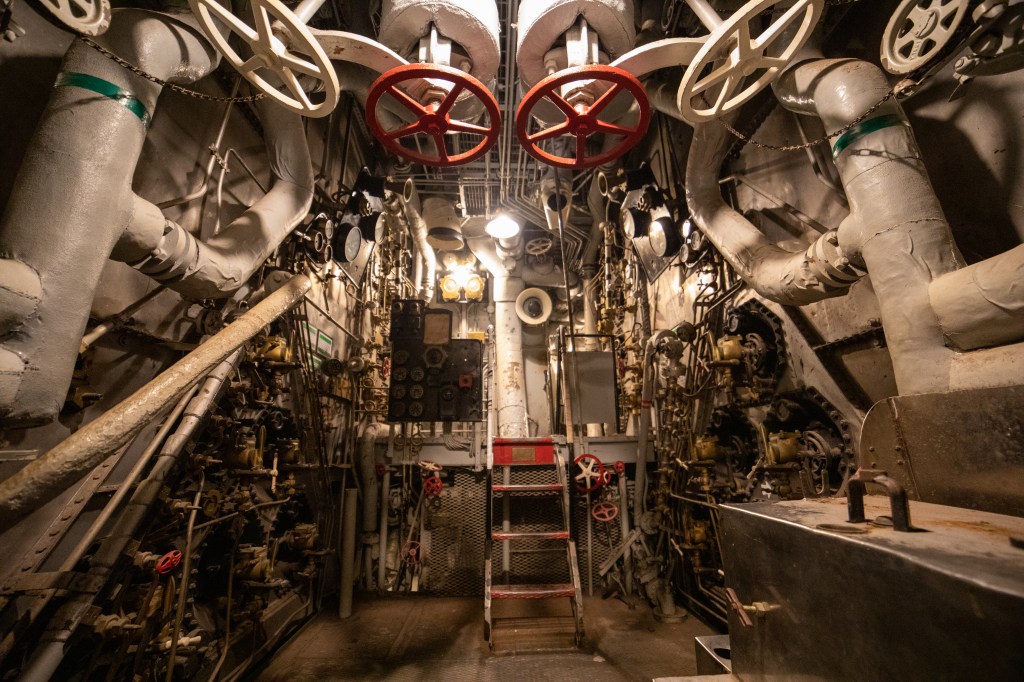
Mobile, Alabama! We’re not in Florida anymore! We celebrated by spending much of the day at the USS Alabama museum, which has a bunch of airplanes, boats, and submarines. My kinda place.

The biggest cannons on the USS Alabama fire a 16″ projectile that weighs 2700 pounds 23 miles. Every 30 seconds. Battleships are so cool. This one served in both theaters of World War II.

Why do battleships, submarines, and nuclear power plants all have the same smell? I imagine it’s the smell of metal shavings, used oil, and electricity. It’s kinda nice but it gets in your clothes. Abbey doesn’t like the smell.

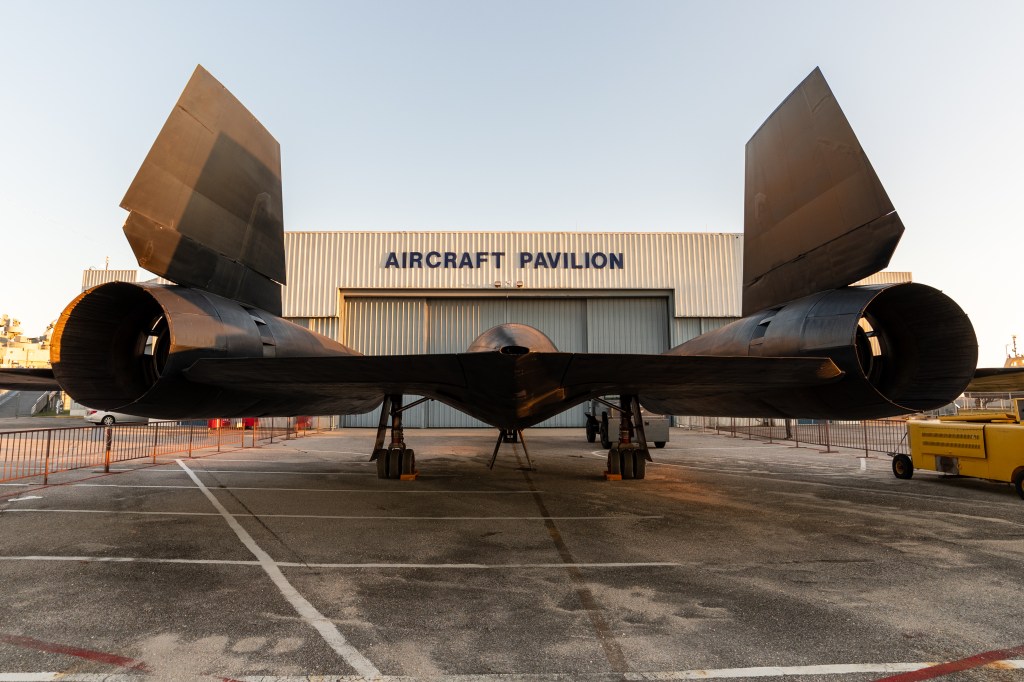
The SR-71. Perhaps my favorite airplane of all time. I mean, if your strategy to avoid enemy missiles is to just go faster, then you’re pretty cool in my book.

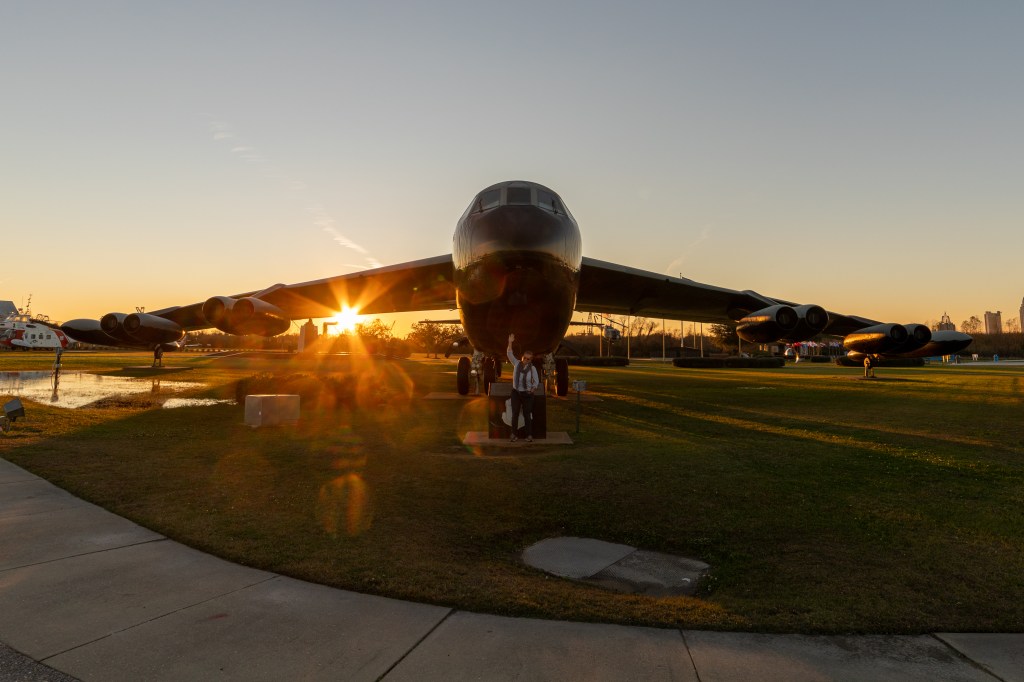
We stayed at the museum until it closed at sunset. Here’s a B-52 with Abbey for scale.

We’re glad to be back on the road and out of Florida. Heading West now.

Cheers!
Rocket Launch!!! and KSC

Abbey and I watched the launch of a SpaceX Falcon 9 rocket from Cape Canaveral! We were 6 miles away at the Kennedy Space Center. It was one of the coolest things I’ve ever seen. It lit up the night sky and you could feel it in your chest. We even saw the re-entry burn of the 1st stage as it came back to Earth and successfully landed upright.

I had wanted to get some good pictures of the launch. I had my tripod and camera set up an hour beforehand, and had the camera in full manual with everything adjusted to my best reckoning for what the launch was going to be like. But when T-0 came, and the rocket lifted off, it was SO MUCH BRIGHTER than I ever could have imagined. The rocket lit up the sky like the rising sun and my attempted picture was grossly overexposed. Oh well. I ignored the camera and just watched the launch in awe. Abbey took this video with her phone.

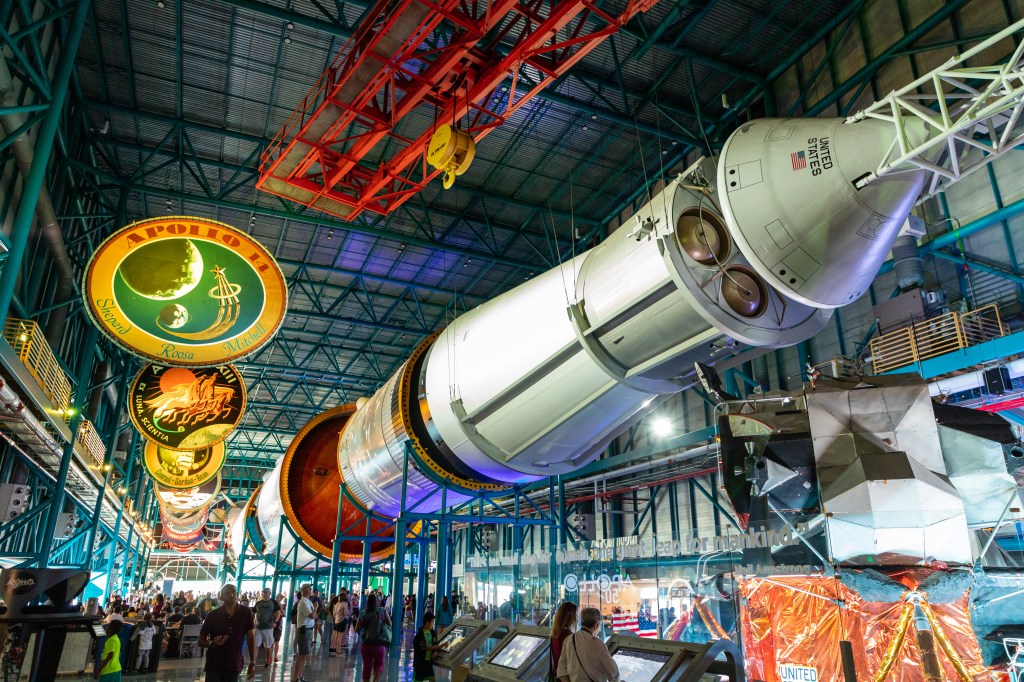
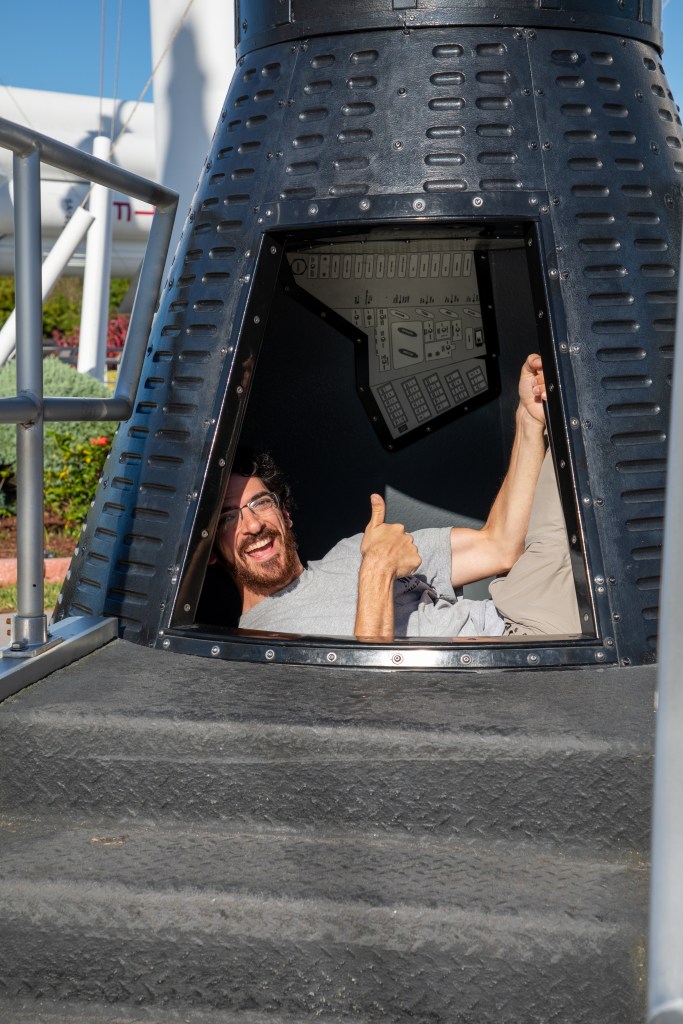
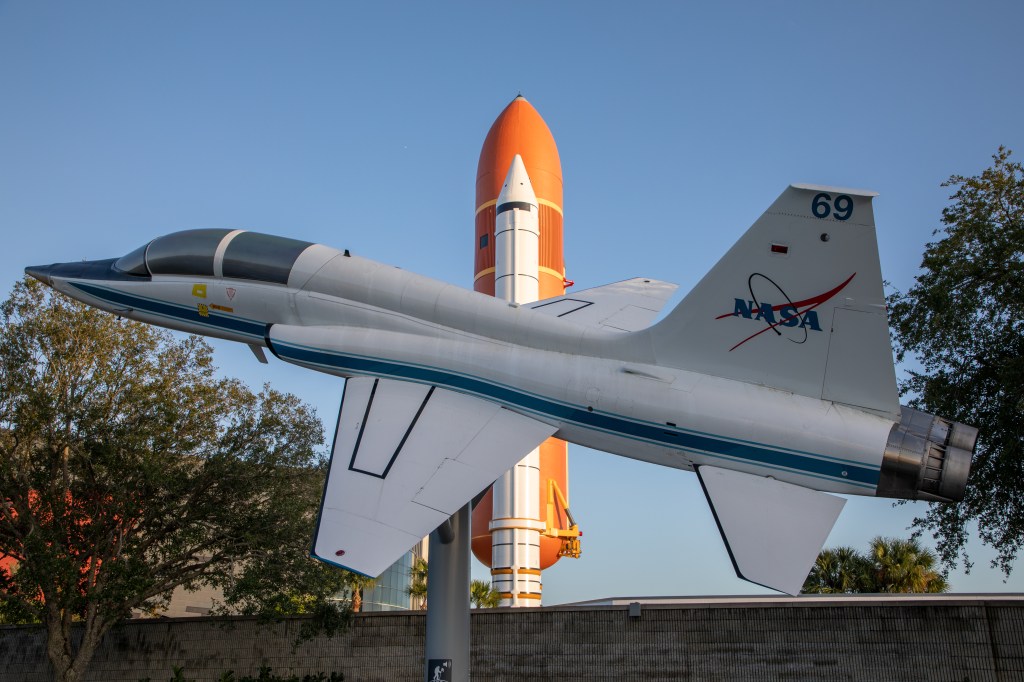
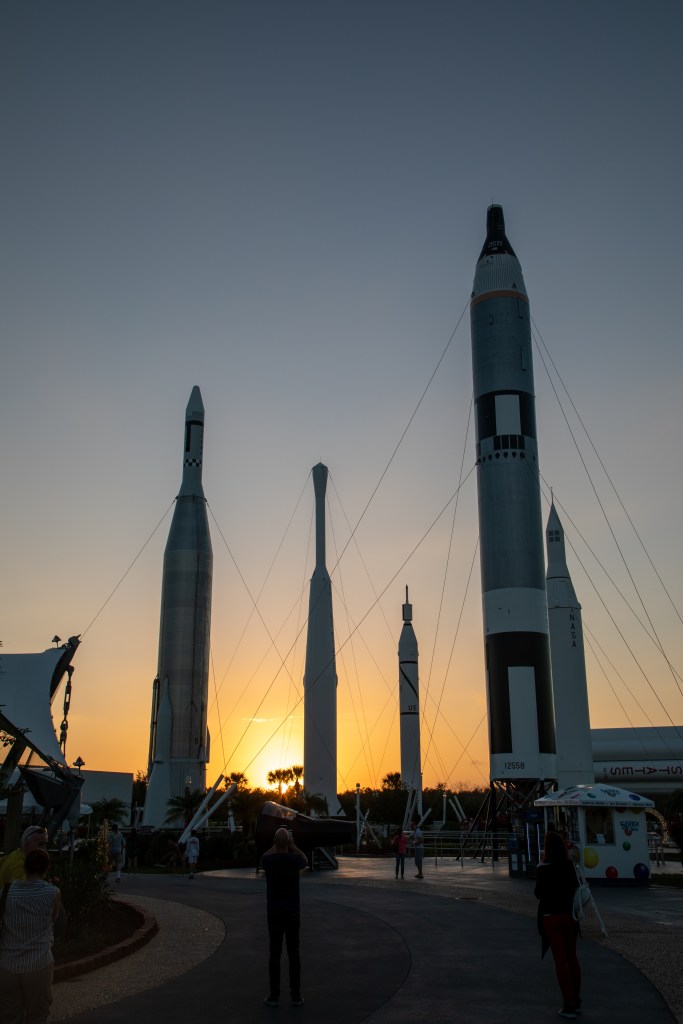
We spent a full day at Kennedy Space Center from gates open to gates closed. That really isn’t enough time because this place is incredible. I think I had a giant smile on my face the whole time. I had to keep myself from running between exhibits. It was so cool.

My old car had 360 horsepower. The cruise ship Abbey and I were recently on had 100,000 horsepower. The Saturn V rocket had 160,000,000 horsepower.

The exhibits, and particularly the presentation, borders on perfection. After watching an introductory video about the shuttle program and the Atlantis, the entire movie screen rises and suddenly the real Atlantis is right in front of you.

There was a memorial to the Challenger and Columbia that was simple, sobering, yet motivating. This piece of the shuttle had no descriptive plaque, just itself in a darkened room.

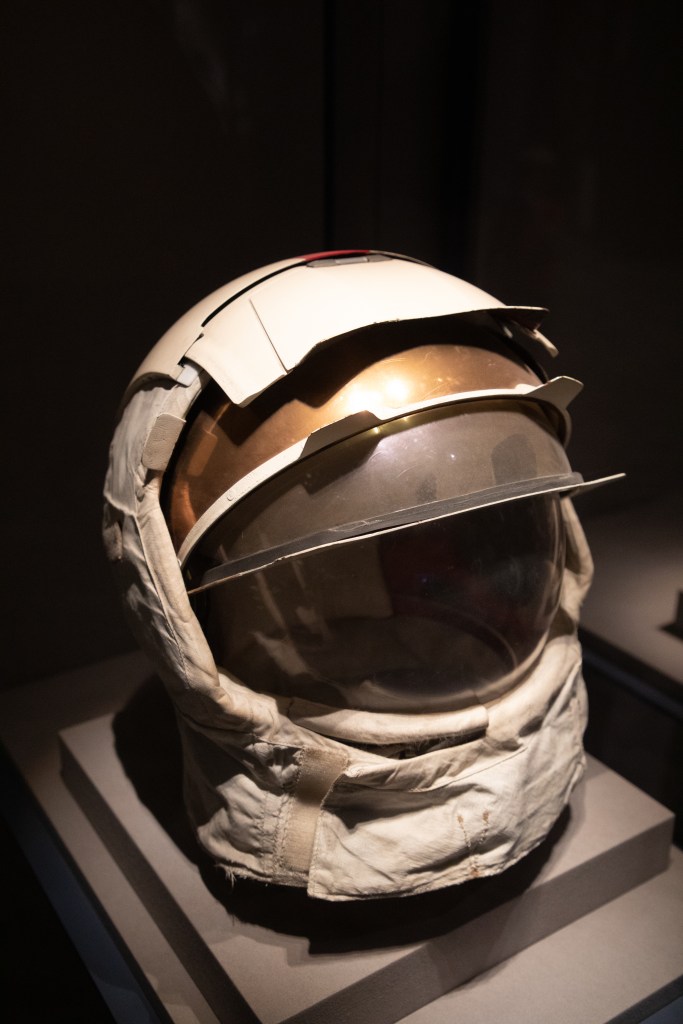
Engineers tried a number of different coatings on the space helmets to protect astronaut eyes from the sun. An ultra-thin coating of 24k gold was the only coating tested that provided this protection without changing the color perception of the astronaut.

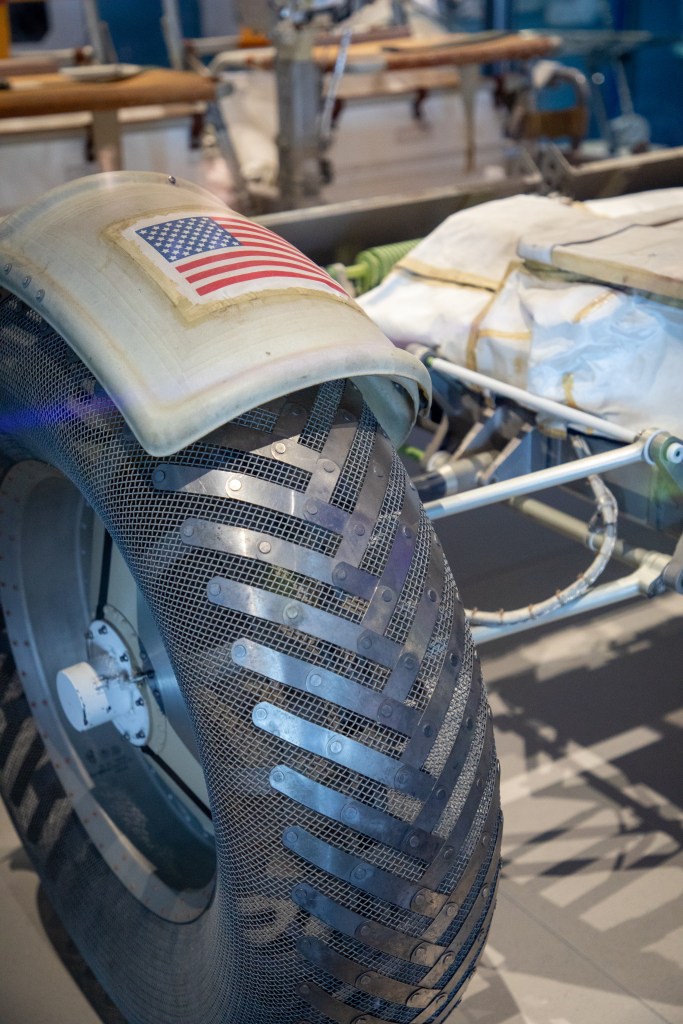
The lunar buggy had mesh tires!

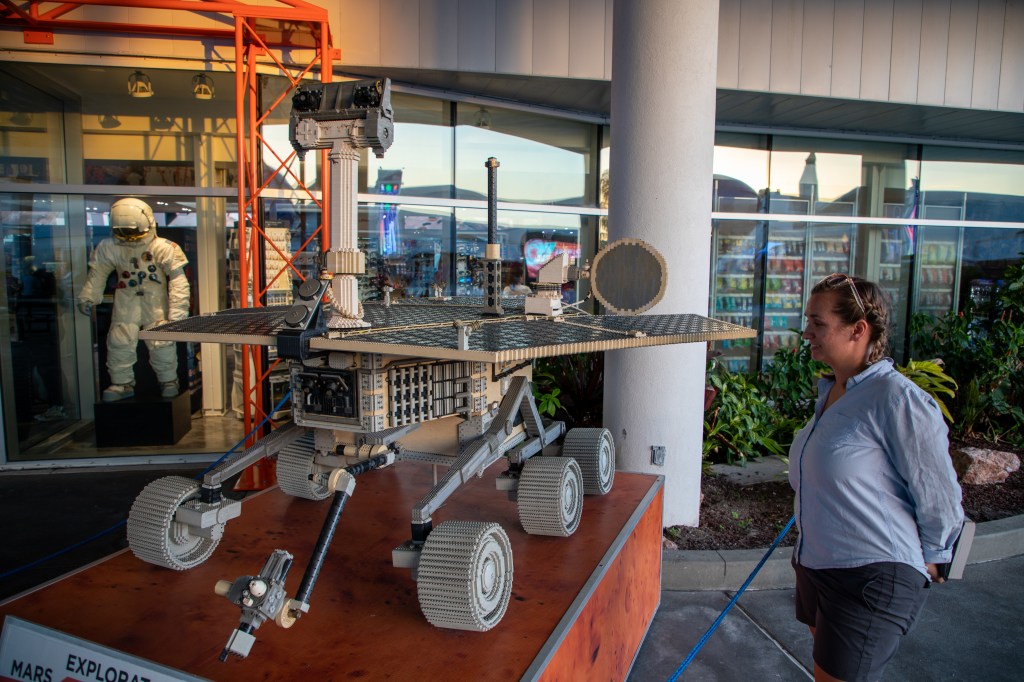
The actual Mars rover only weighed about 130 pounds more than this Lego 1:1 scale model.

What a great place. I already want to go again.

Cheers!
Caribbean Cruise?!

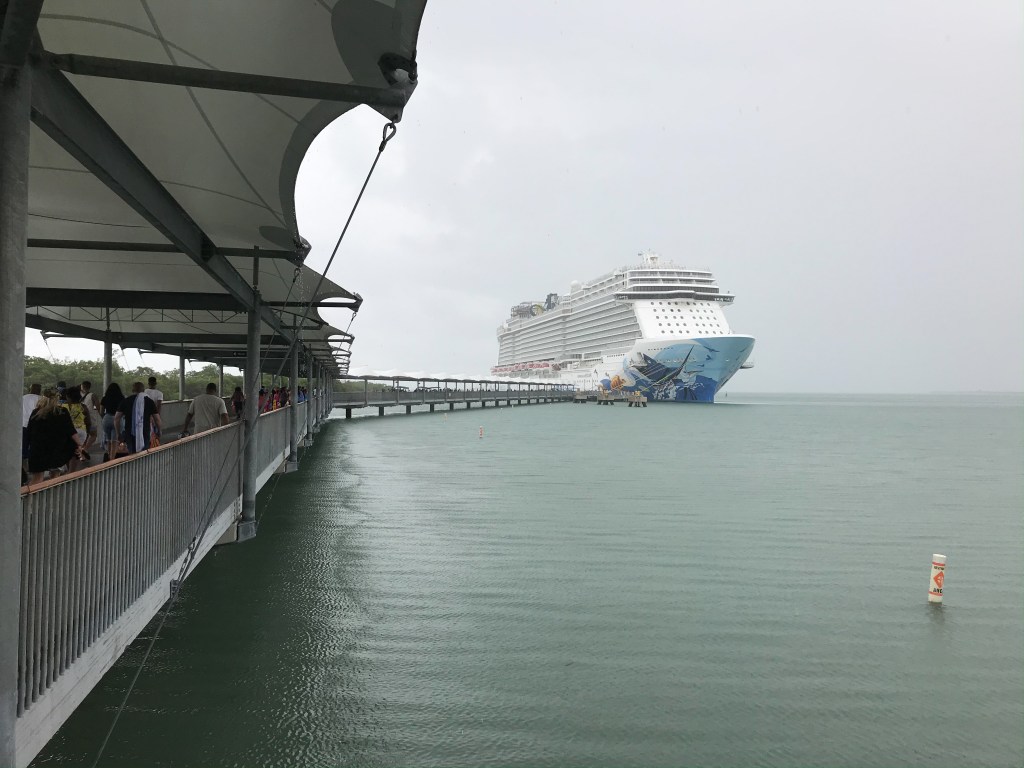
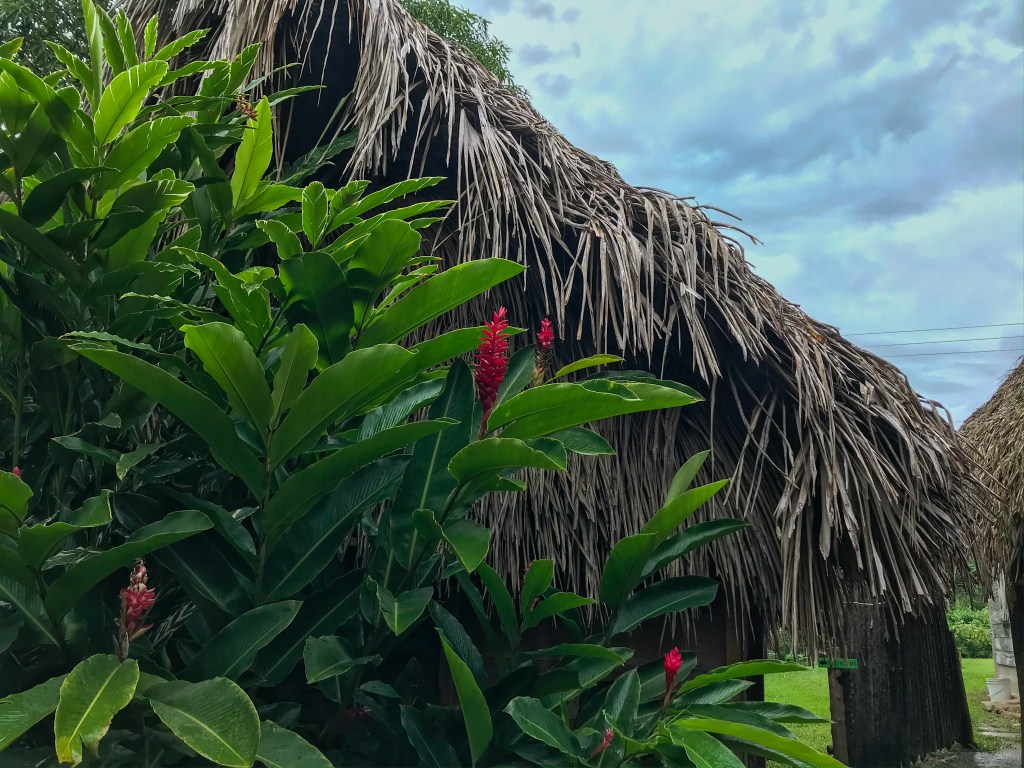
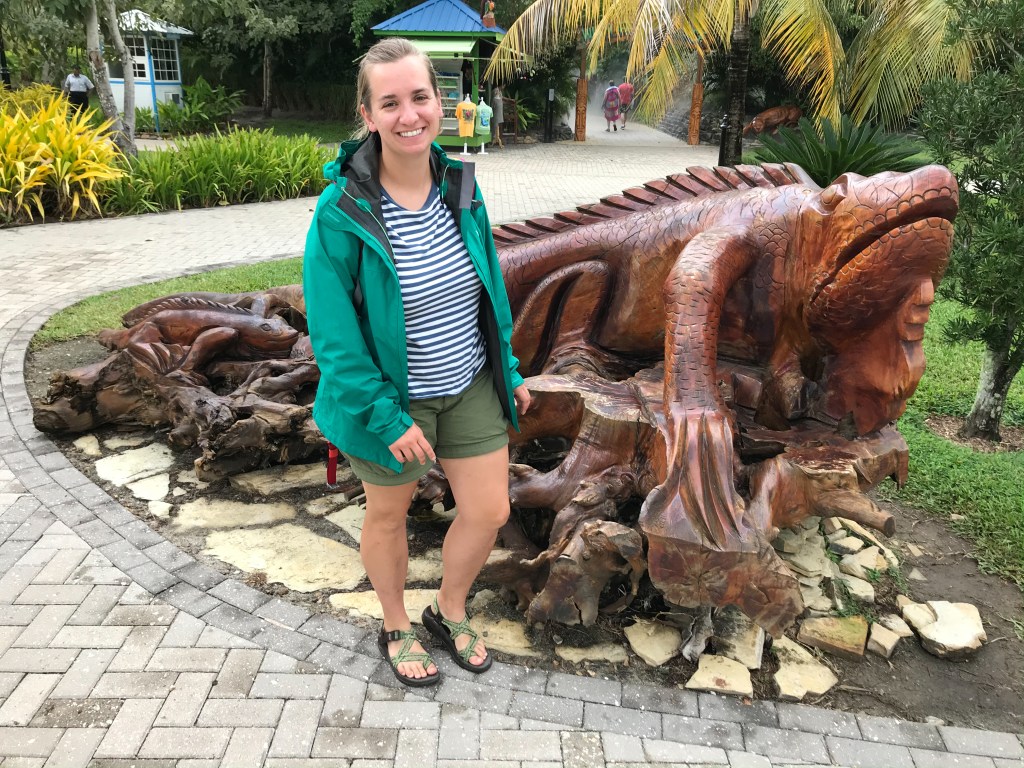
Since we’re in Florida, and Miami is a rather large port, Abbey and I decided to go on a cruise. We got a great last-minute deal on Cyber Monday, and spent 7 days on the Norwegian Escape touring Mexico, Honduras, and Belize. This type of vacation is different from our usual, and we felt a little overwhelmed at first with the amount of stuff to do.

The cruise was fantastic, and it was nice to just be a tourist for awhile. We loved Belize for the beauty, the weather, the wildlife, and the nice people. We went to a working chocolate farm and got to see how that process works. As you could imagine, the chocolate was very yummy.

Mexico (Cozumel and Costa Maya) was a little too touristy for us, but we did enjoy the spectacular color of the water, the constant gentle breeze, and the nice beaches. I also liked the cars here – lots of very old cars still on the roads. Abbey and I got stopped by the police in Cozumel because they claimed we were smoking pot (I assure you, we weren’t). They said someone saw us smoking on the beach and called the police, but we had only been there for 2 minutes when the police showed up. It was very strange and I’m still curious about the interaction, but Abbey and I just laugh about it now.

Honduras was… not so great. It was certainly gorgeous, with rolling hills, tropical forests, and colorful buildings, but the people ruined it for us. Hundreds of locals were at the port and were aggressively soliciting tours, rentals, taxis, and so on. They would walk with you and keep pestering you after you repeatedly said no. Abbey and I took a taxi away from the port (taxi driver tried to bait and switch us) to another area but the solicitation was just as bad there. I understand Honduras is poor and these people are just trying to make a living, but yikes. If we were to go back to Honduras we’d be careful to stay away from these touristy areas.

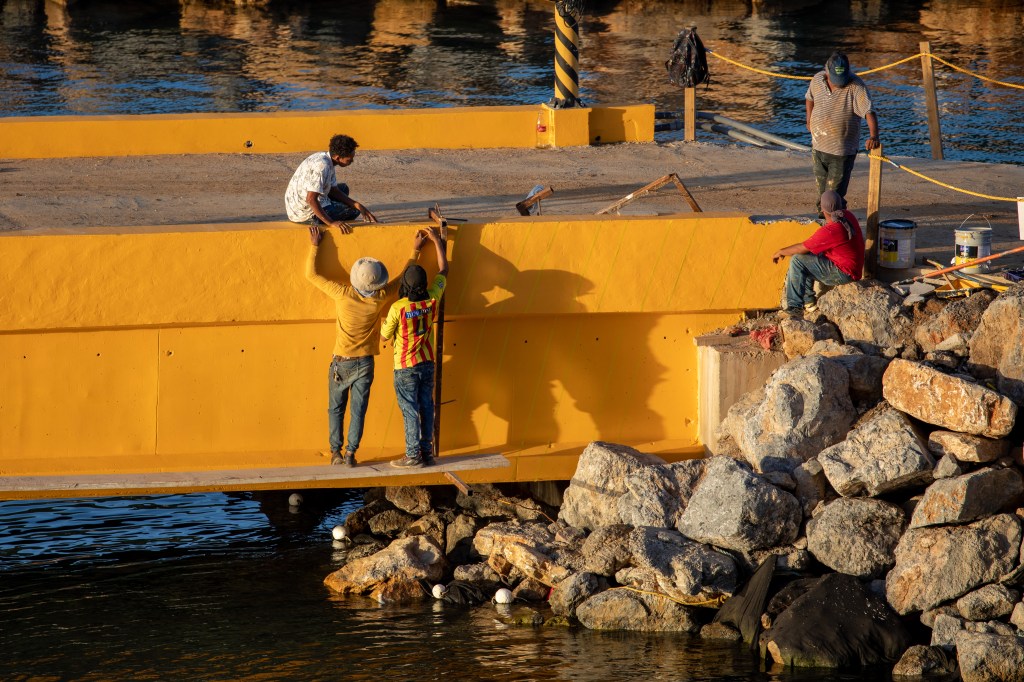
Construction work is so vastly different in other countries. No hard hats, no work boots, no scaffolding… just get the job done.

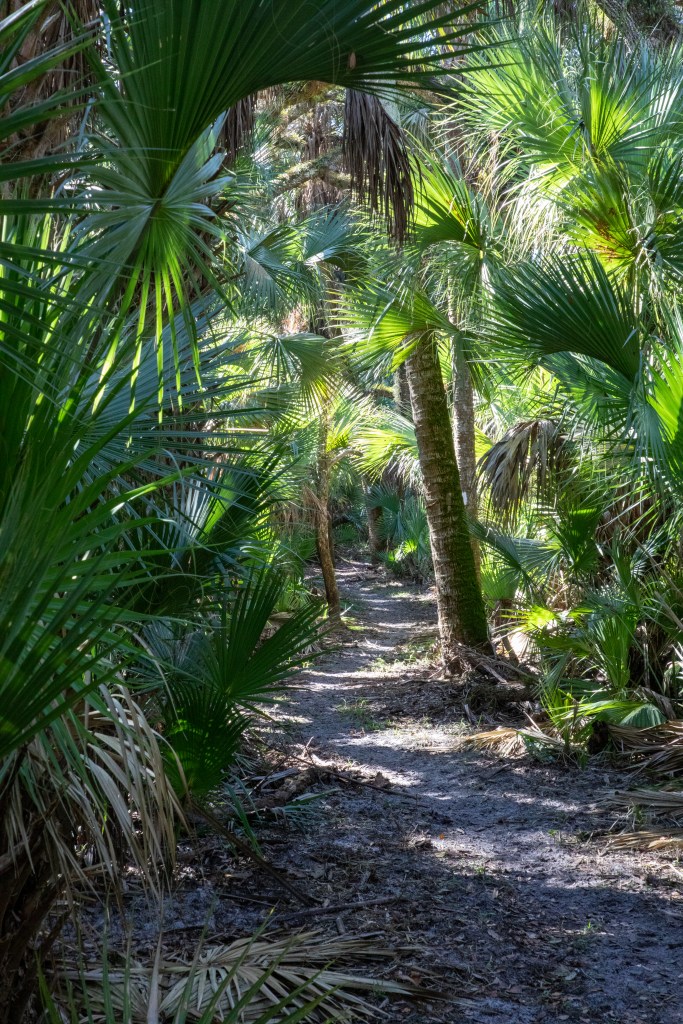
After Abbey and I got back from the cruise, we spent a couple nights in the Istokpoga Wildlife Management Area. This was way better than we were expecting, with miles of varying hiking trails, a mix of live oaks, palm trees, and palmettos, and even gopher tortoises! You can register to camp here for free online, and then they email you the secret combination to open the gate!

Cheers!
Dry Tortugas National Park

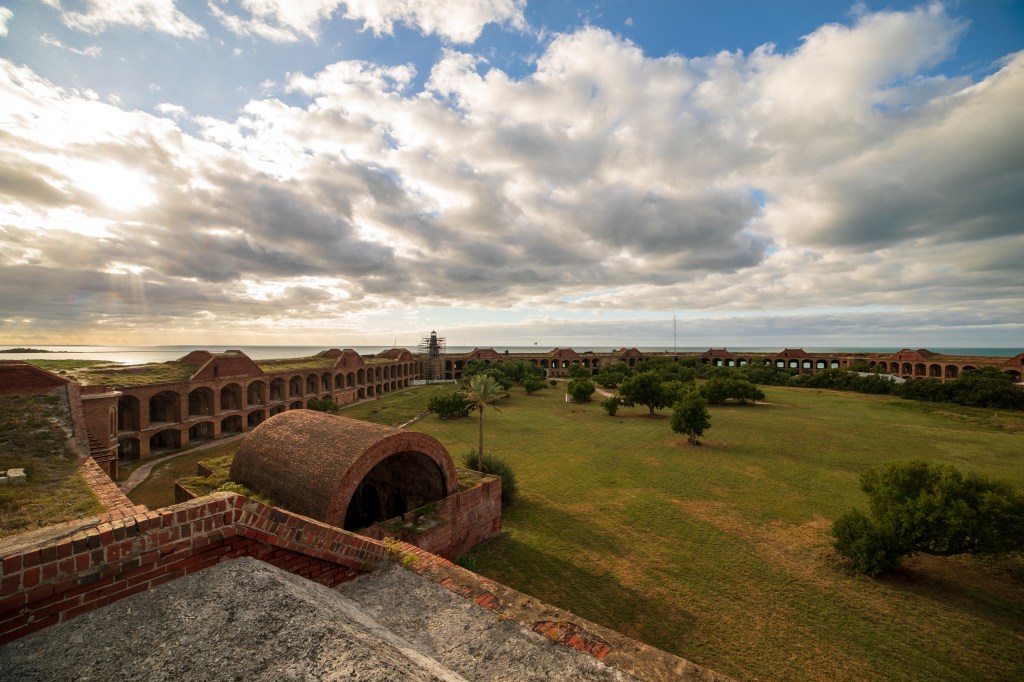
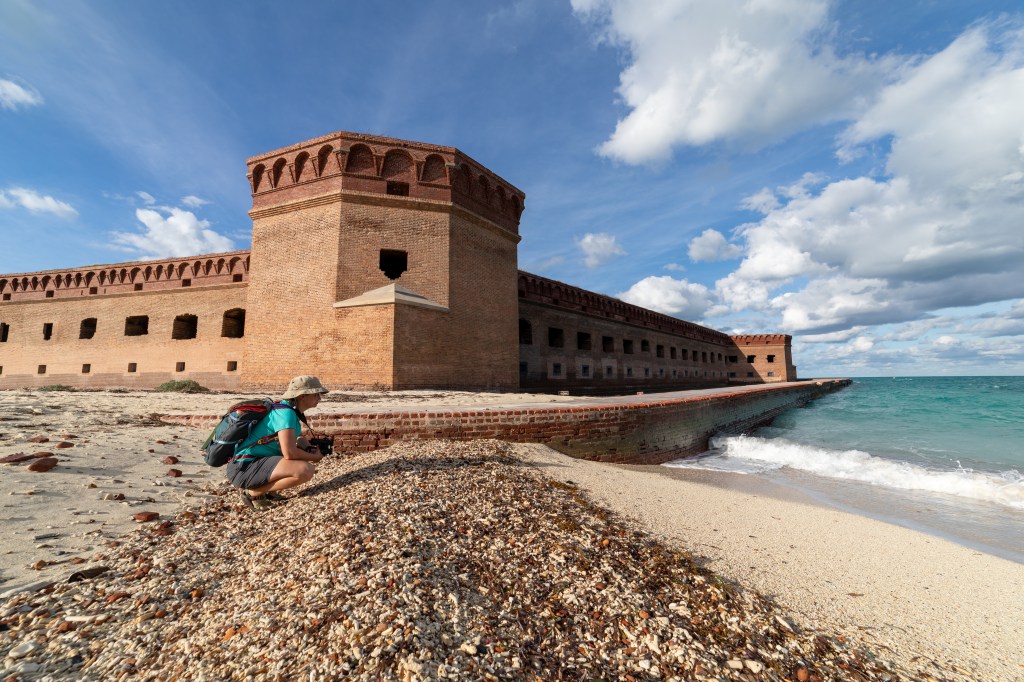
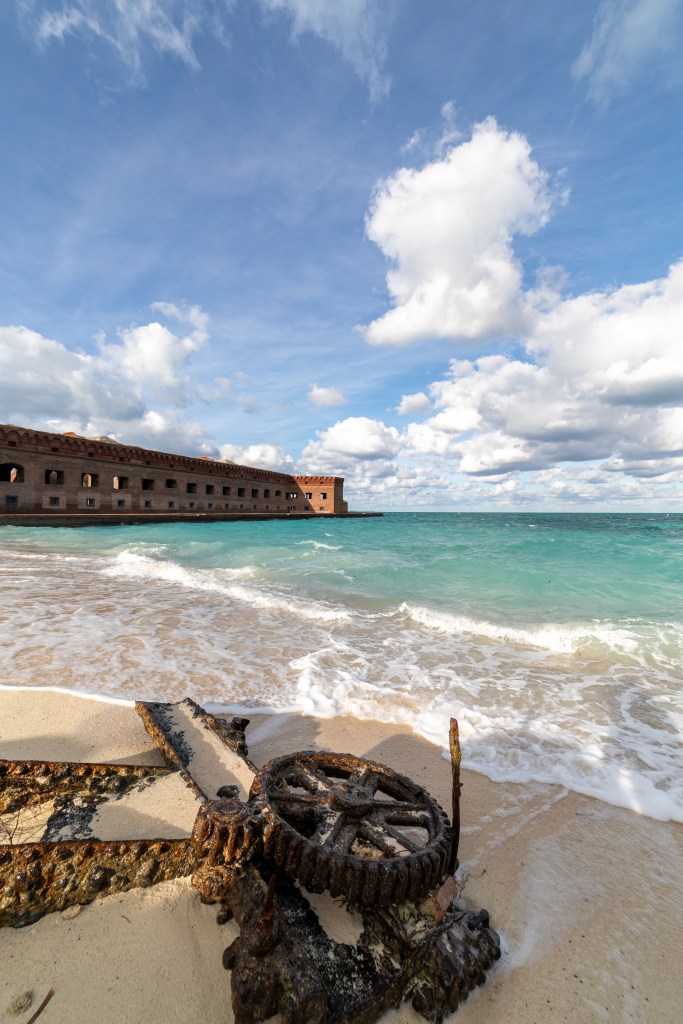
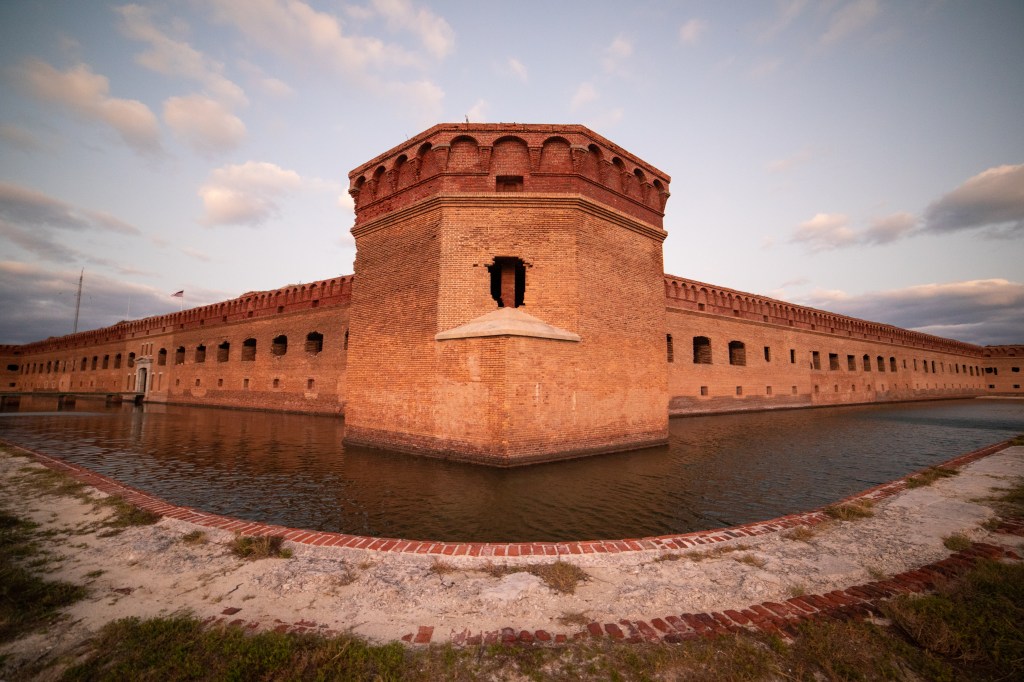
GO CAMP IN THE DRY TORTUGAS! It’s the most remote National Park in the continental United States – 70 miles West of Key West! It’s closer to Havanna, Cuba than to Miami! There are only 8 campsites, so you’ll feel like it’s your own private island.

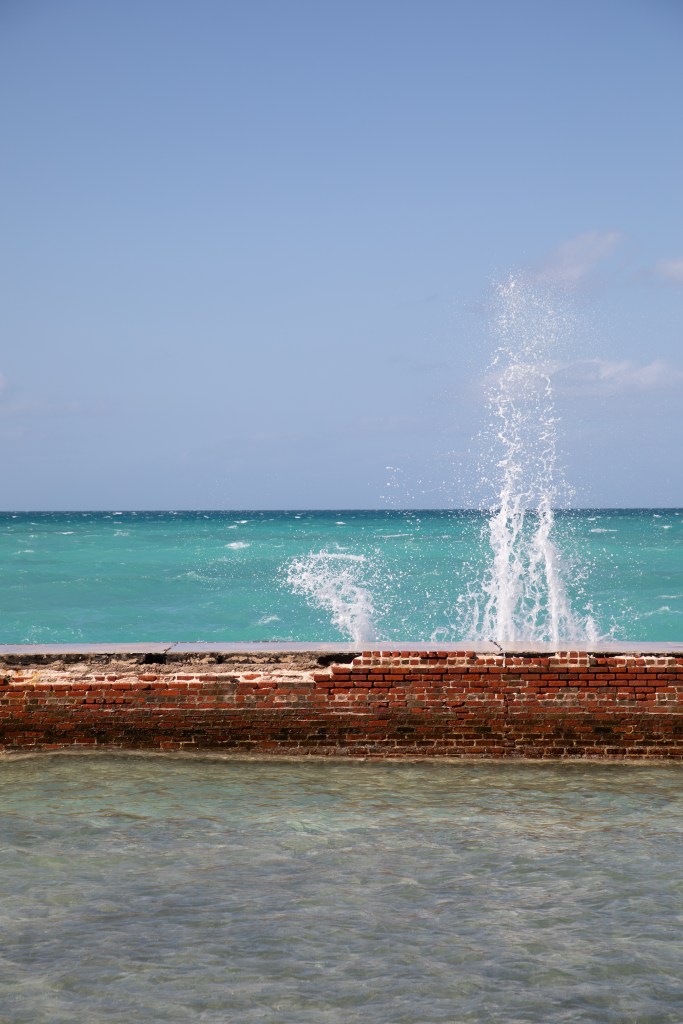
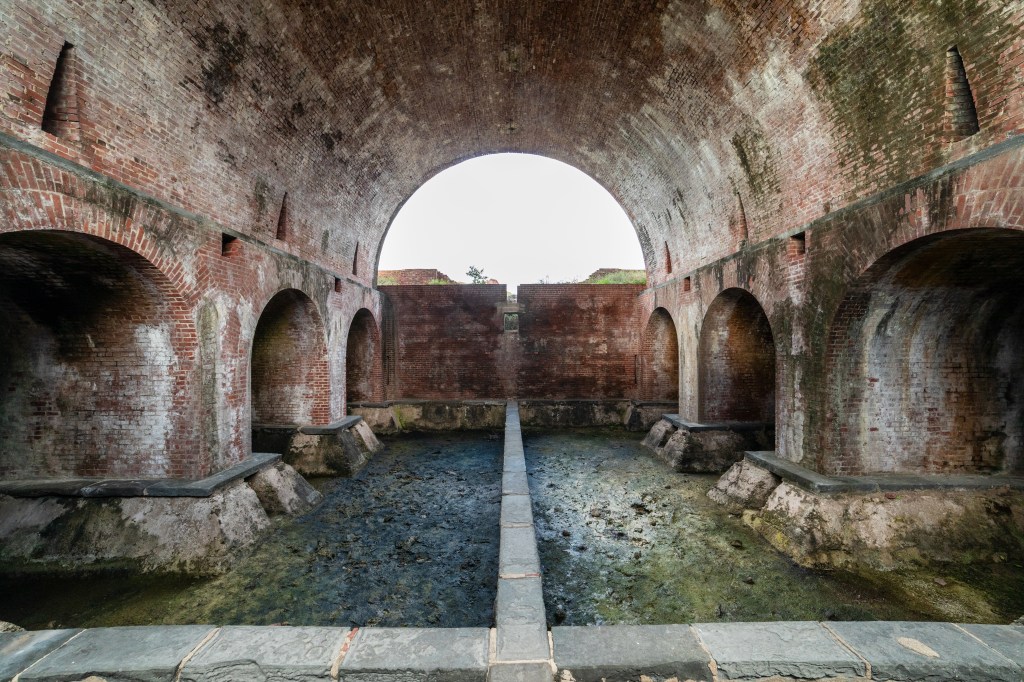
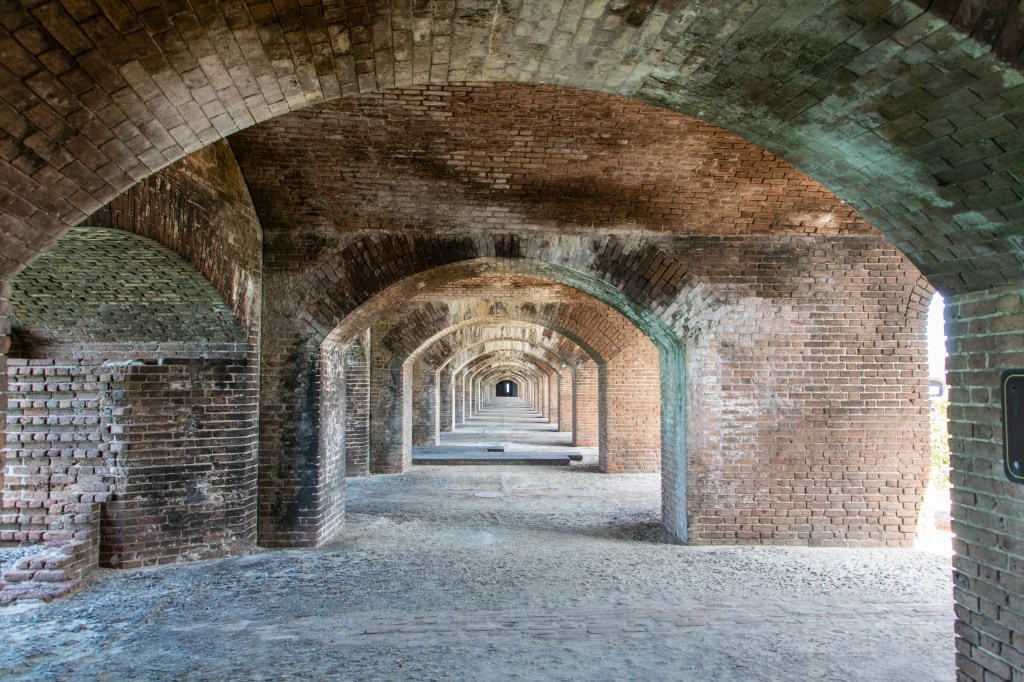
Fort Jefferson was built after the War of 1812 to provide a strategic fortification for protecting the Gulf of Mexico and the Florida Straits. It was designed to hold over 420 guns and is the largest brick structure in North and South America. The fort held a peak of about 1,700 people during the Civil War, but by the late 1800’s it was no longer viable due to the incredible costs of maintaining it. Also there were rampant Yellow Fever outbreaks and a bunch of people died.

You can wander around the fort to your heart’s content, and there are virtually no safety railings, barricades, or other stupid safety features that you see at other National Parks. Let the problem take care of itself, I say.

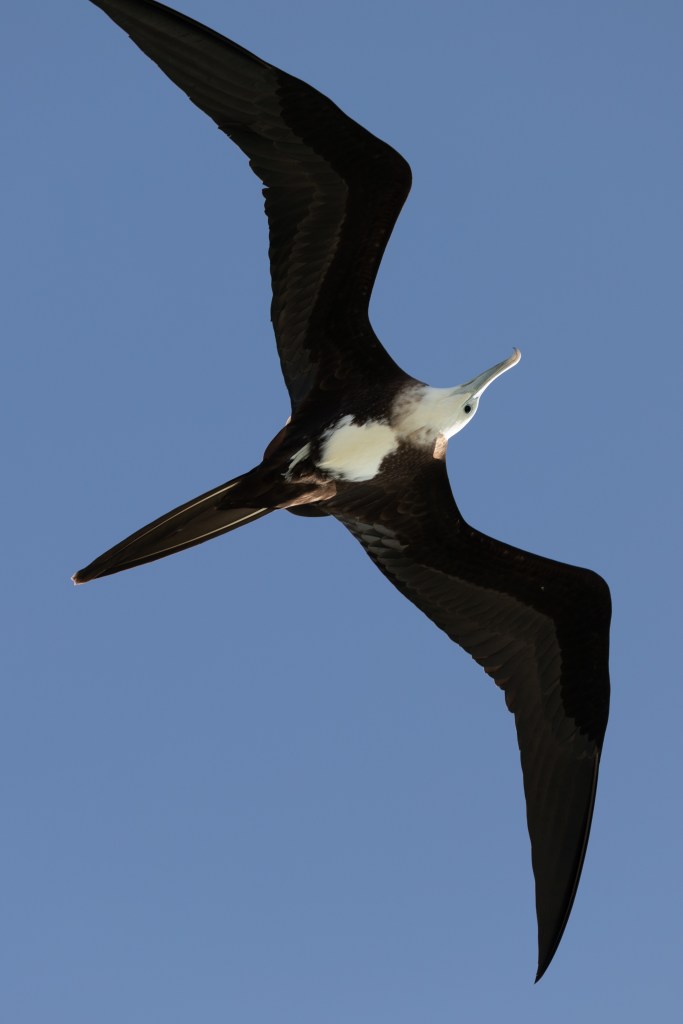
The Magnificent Frigatebird has a wingspan of 7 feet but only weighs 3 pounds, making it the bird with the best wing-to-weight ratio in the world. The Dry Tortugas is the only known nesting site for these birds in the United States.

The coolest thing about Frigatebirds? They can fly for 10 days straight without landing. They sleep while flying by shutting down one half of its brain at a time while the other half flies. Amazing.

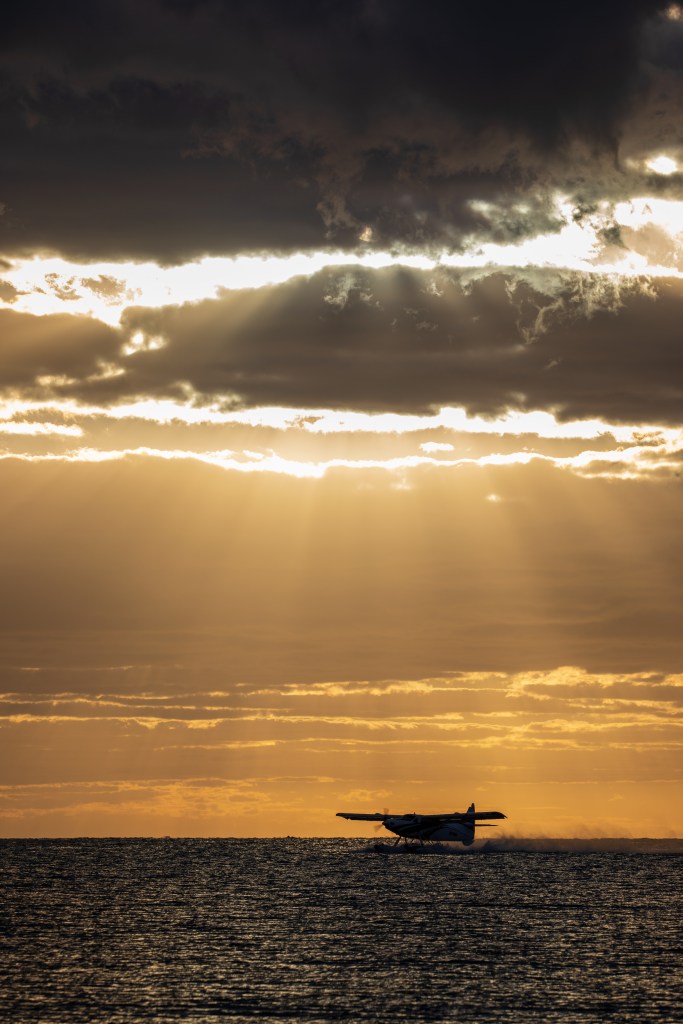
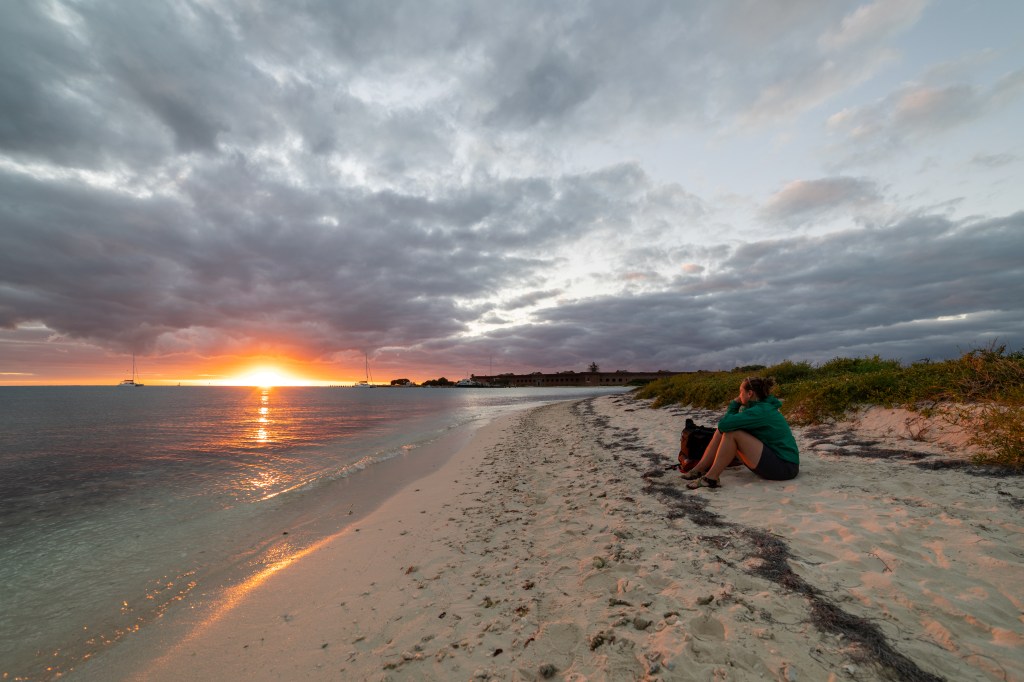
Seaplanes occasionally land at Dry Tortugas – for people that don’t want to take the ferry. This one was leaving right at sunset.

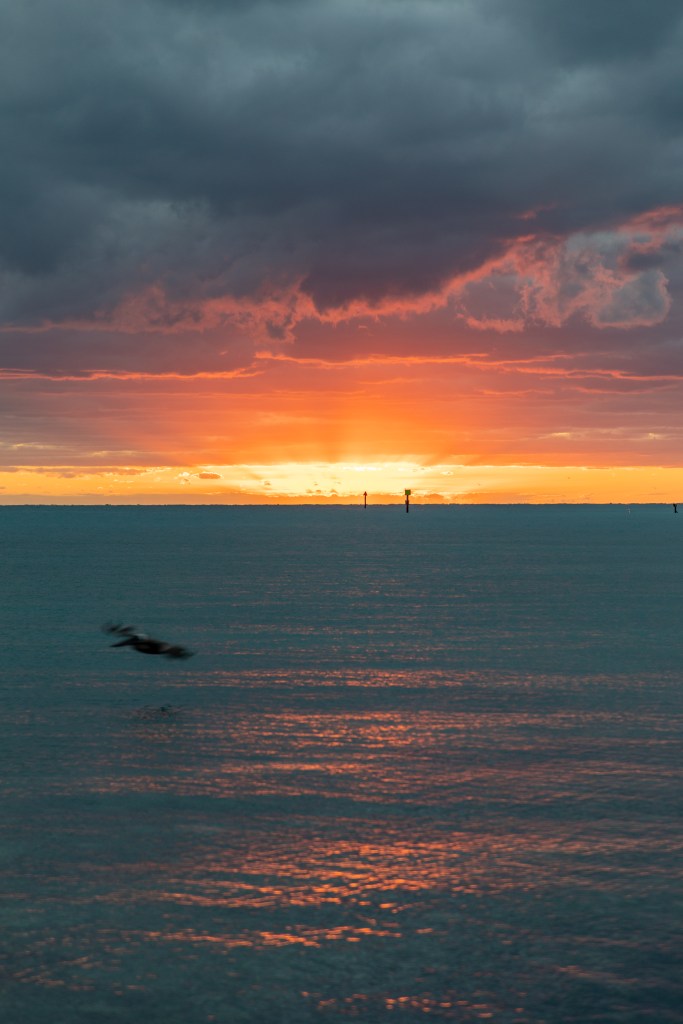
A Brown Pelican photobombed my sunset picture.

Again, go to the Dry Tortugas and spend the night. I cannot overstate this enough.

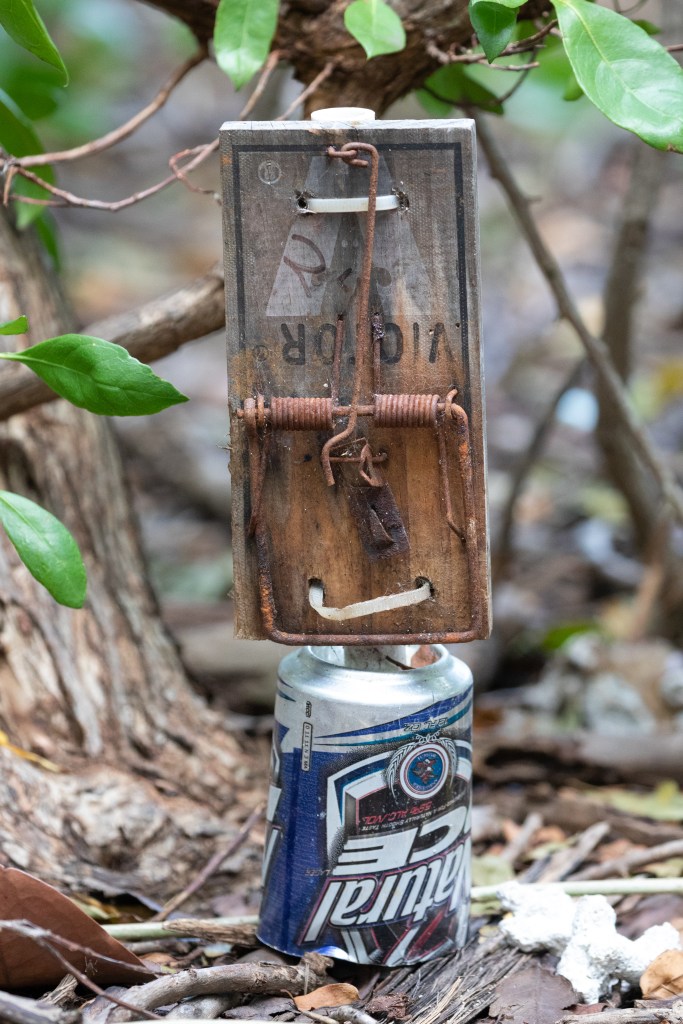
There is a slight rat problem on the island (by slight, I mean massive). These are the ingenious rat traps that the park rangers came up with. They kill the rats but not the hermit crabs.

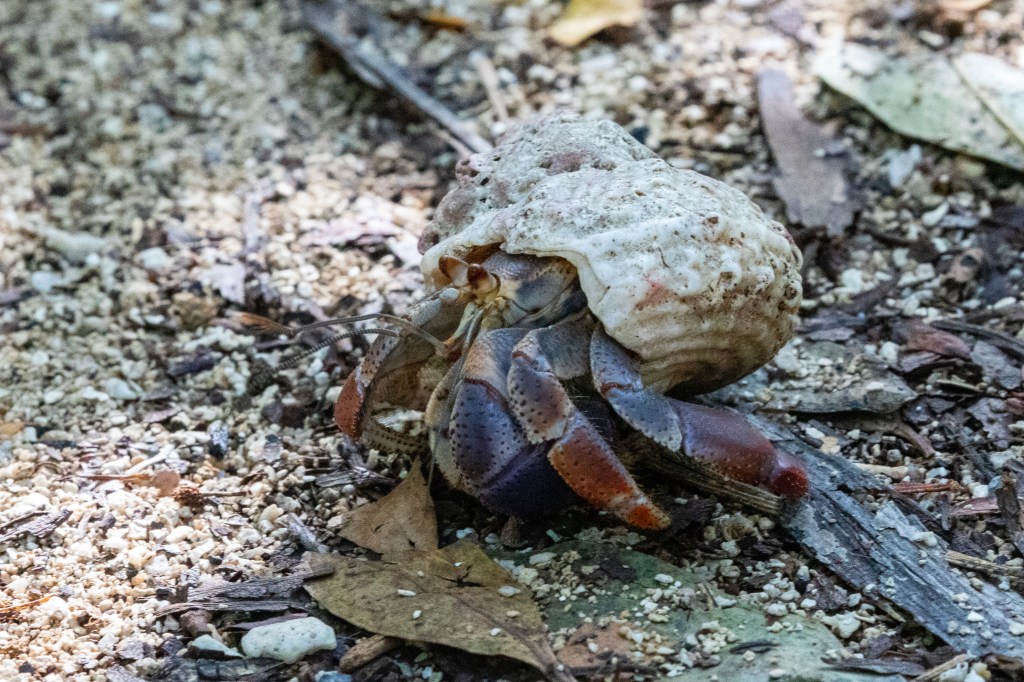
Hermit Crabs are interesting. I found myself just sitting and watching them skitter about through camp. They’re everywhere on Dry Tortugas.

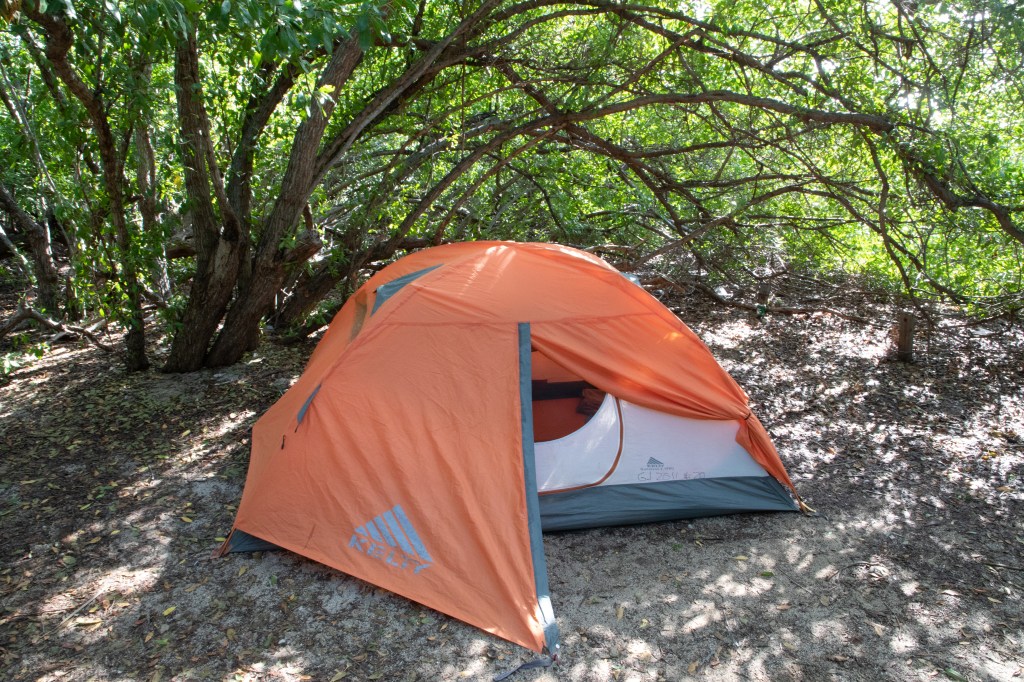
Our campsite was nestled under one of the few trees on the island – a welcome break from the sun.

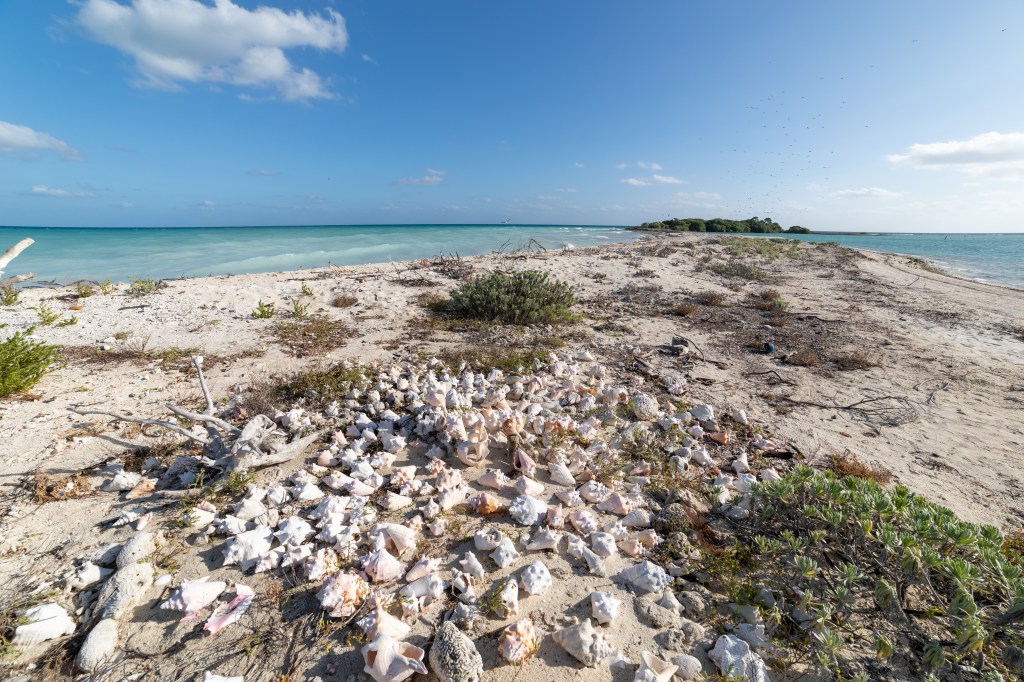
The beaches on Dry Tortugas are full of broken coral and cool rocks. Abbey the geologist was quite at home.

The beaches here haven’t been pilfered of their treasures. Thousands of Conch Shells, Sand Dollars, Sea Biscuits, Brain Coral, etc litter the beach. If this place wasn’t so remote none of this would be here, because people are jerks.

In summary – you need to go camp at the Dry Tortugas. It was one of our favorite camping trips to date.

Cheers!
Everglades National Park

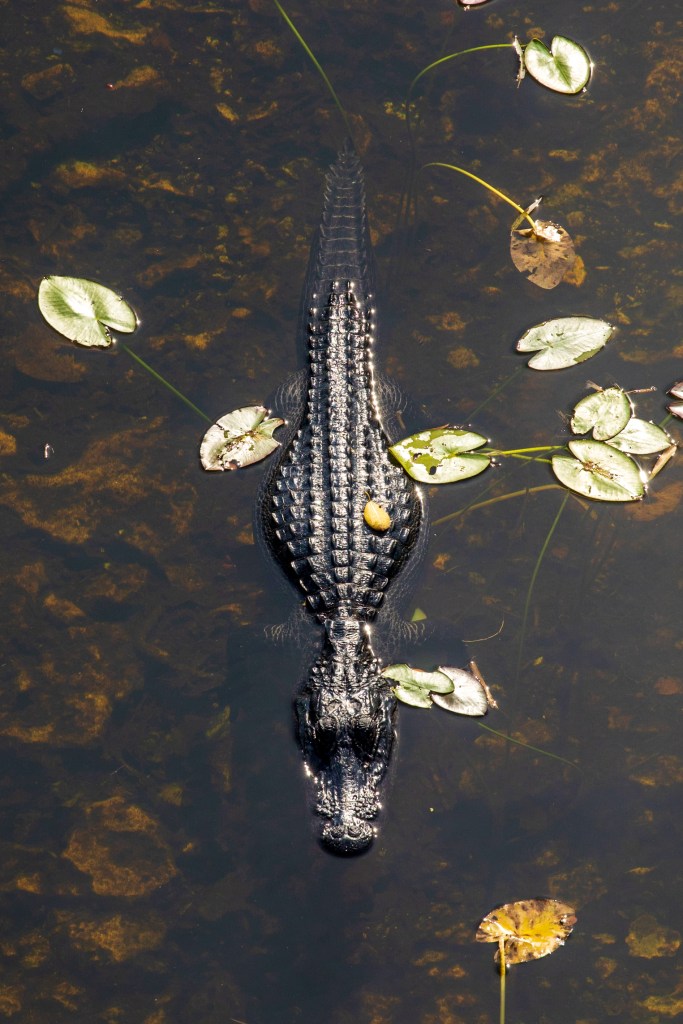
The Everglades is hot and humid, with an unrelenting sun and little shade. If you want to see a unique landscape with diverse and plentiful wildlife, though, this is your place. Abbey and I saw about 4 million Alligators.

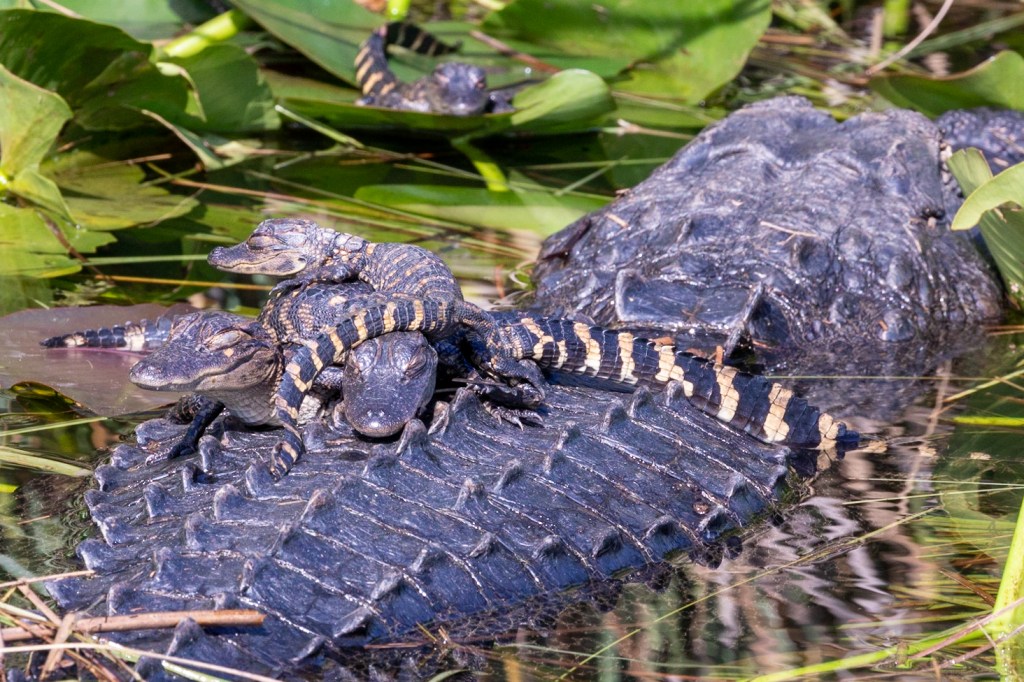
Momma Alligator is always nearby, even if you don’t see her. This one was pretty obvious, though.

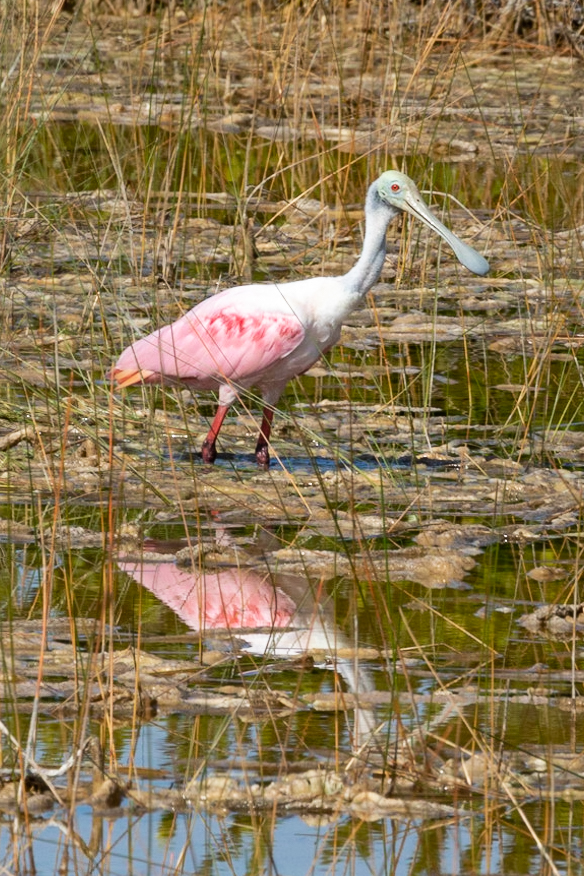
Roseate Spoonbills are goofy looking but practical. They swing their spoonbill side to side to stir up delicious yummies in the muck. They almost went extinct in the late 1800’s but have made a recovery.

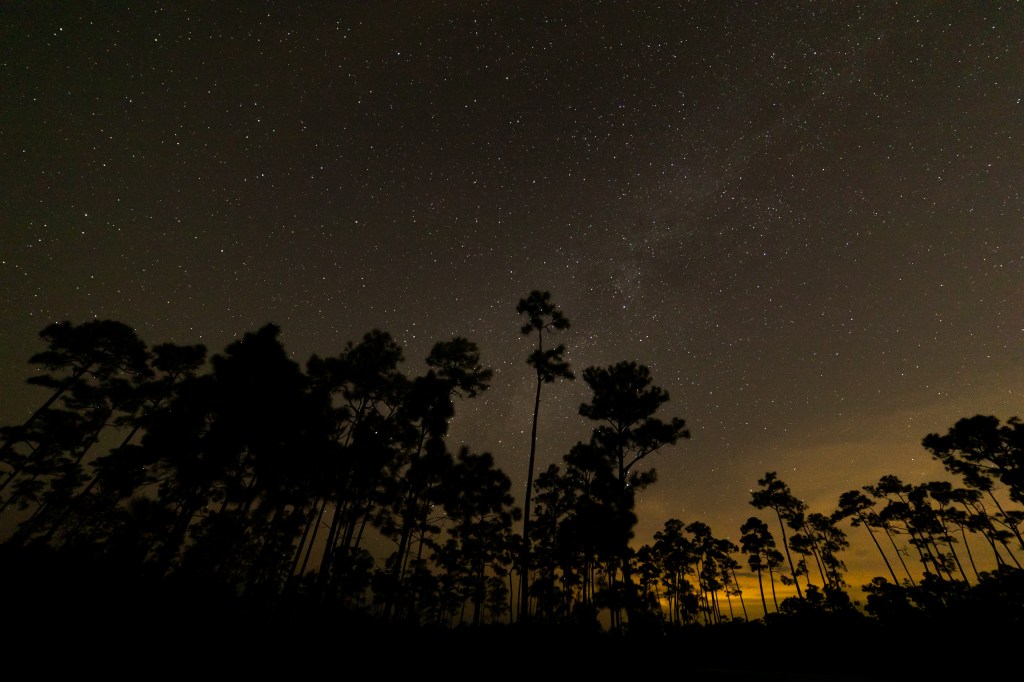
The Everglades is too close to Homestead and Miami for really excellent stars, but Abbey and I still had a good show (until we retreated from the mosquitoes).

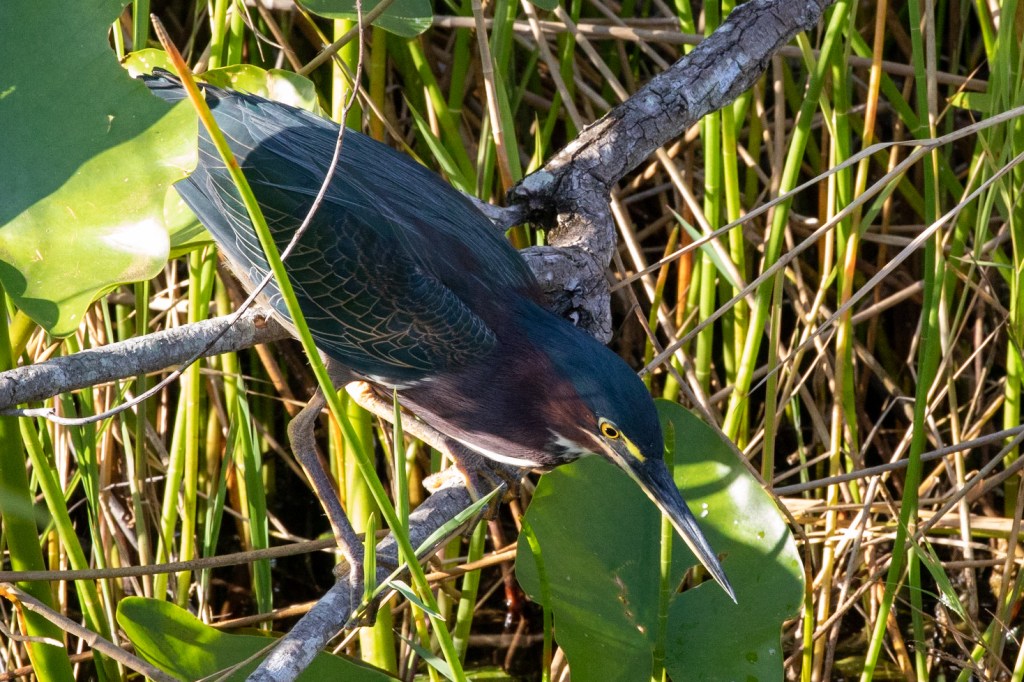
Green Herons are very stealthy. They sit motionless and you don’t see them unless you’re really looking.

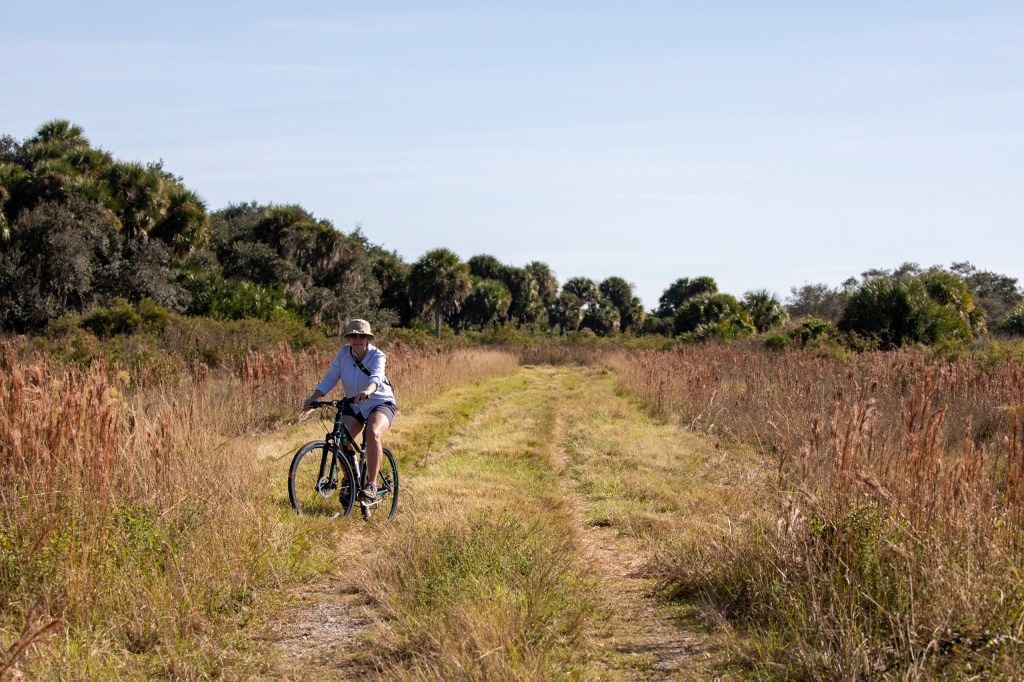
We rode our bikes a lot in the Everglades. Seen here is typical attire of big floppy hat and sunglasses. All that and you’re still squinting most of the day from that pesky sun.

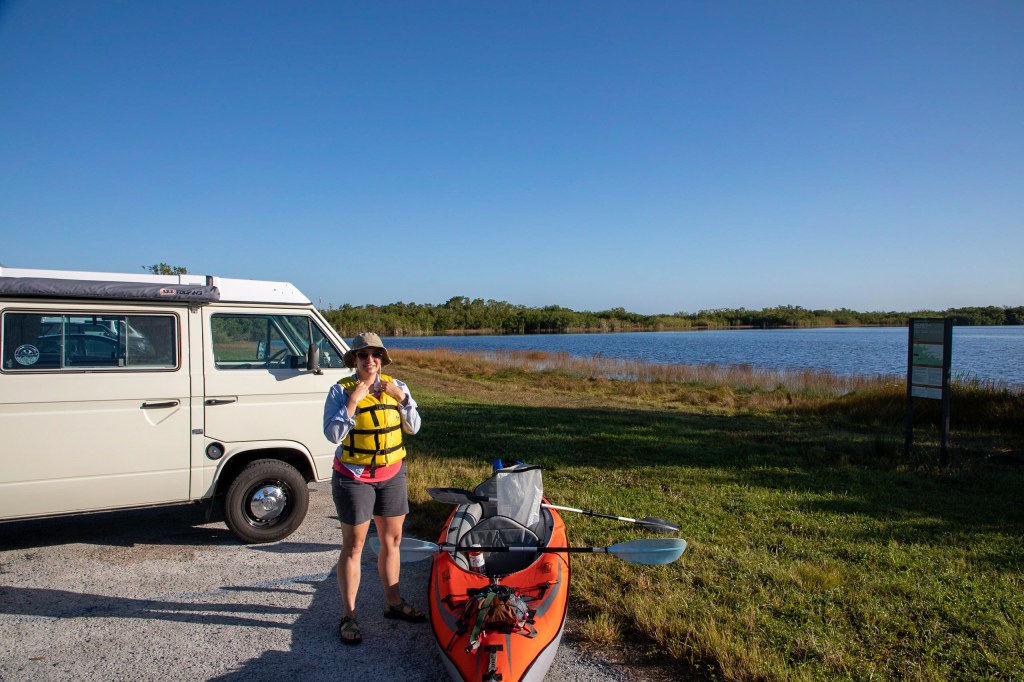
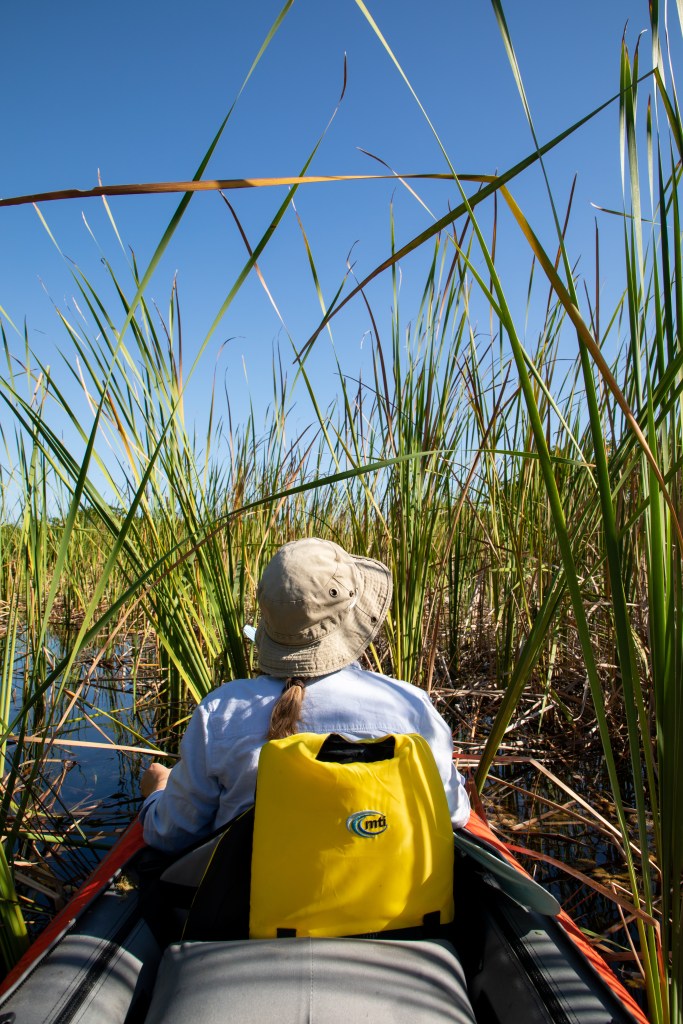
Abbey and I got the kayak out to do a 5 mile paddle at Nine Mile Pond. They should probably change the name.

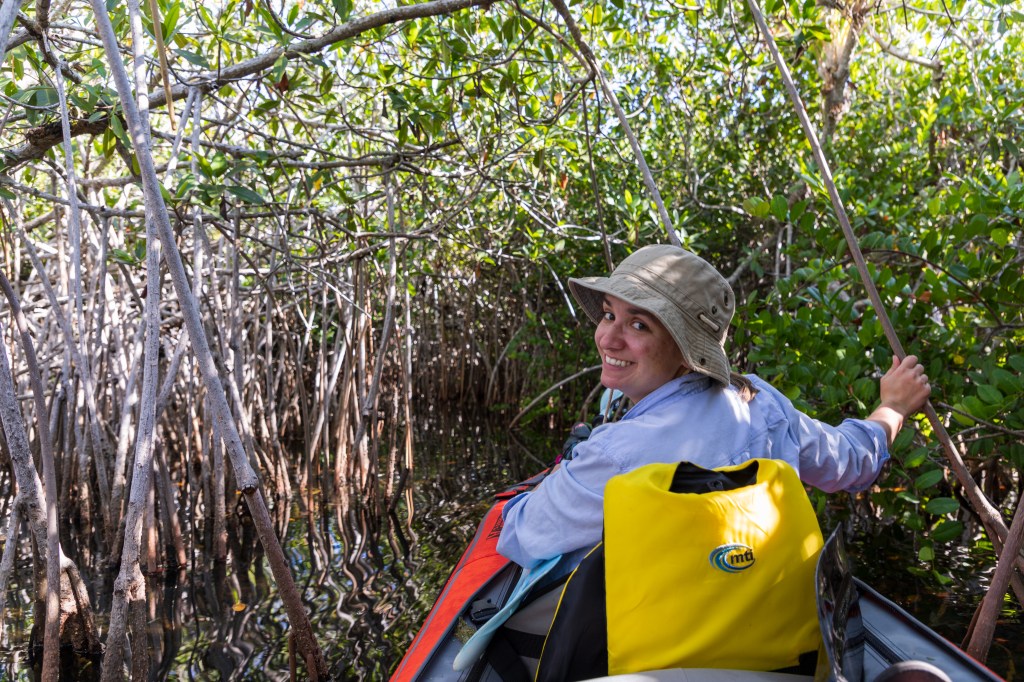
The kayak trail went through dense mangrove tunnels. We had to use our hands to pull ourselves through since there was no room to paddle.

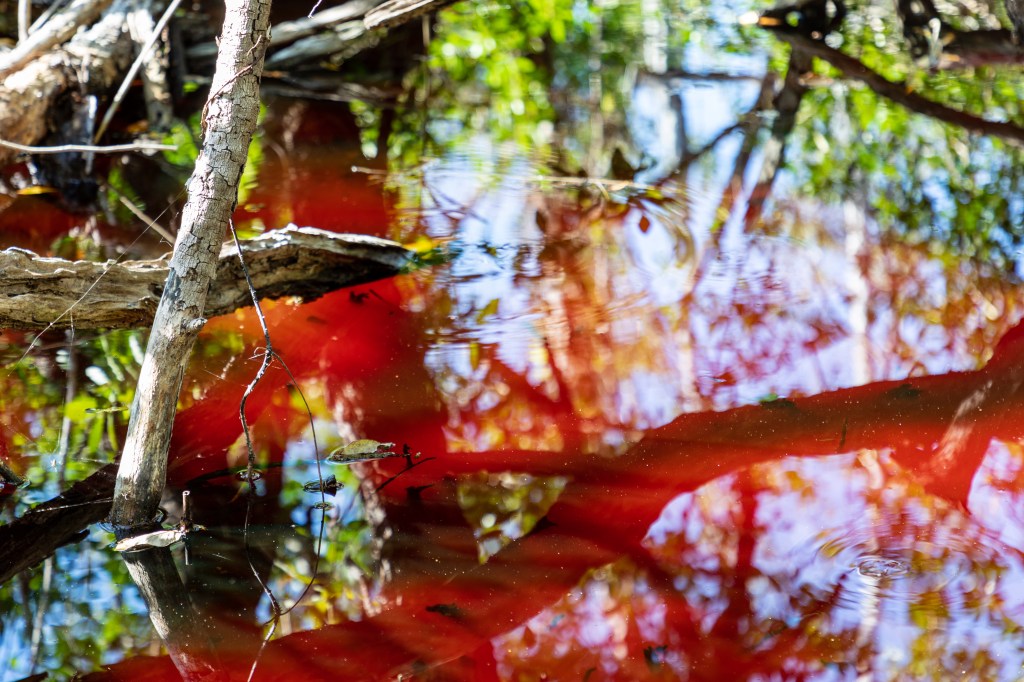
We found a place where the water was blood red. Not sure why. We left shortly after.

Cheers!
Lakeland, Florida

Circle B Bar Reserve is 1,200 acres of county land that was previously a cattle ranch. Abbey and I were blown away by the wildlife and the solitude of this place – there were only a handful of other people here. We spent a few hours roaming the trails with her Uncle and left after sunset. I could spend all day here.

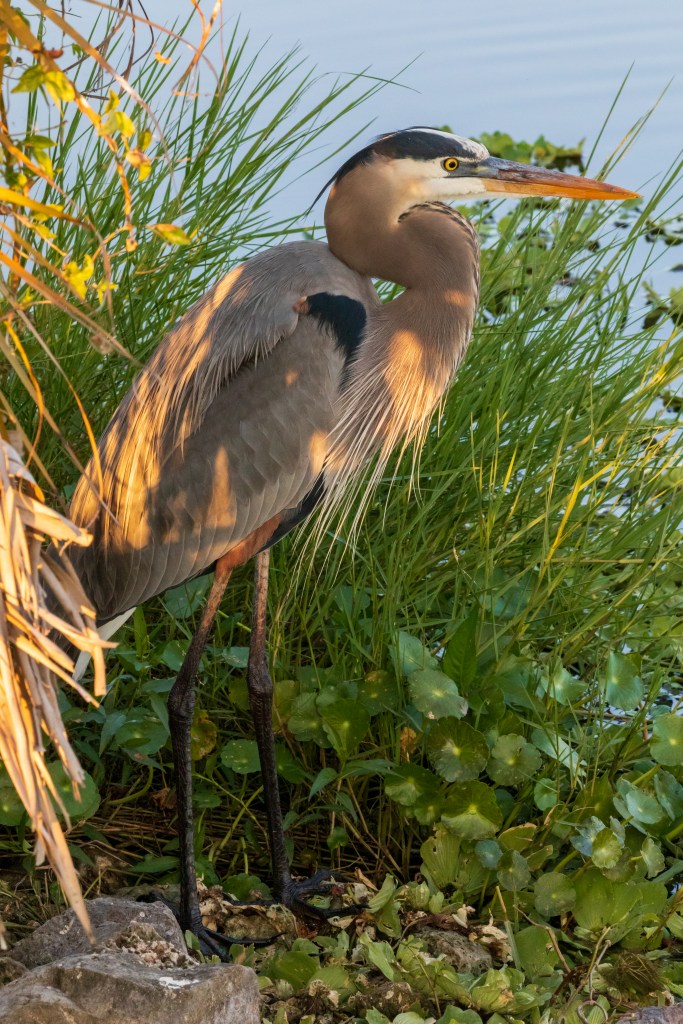
I realize Great Blue Herons are common, but I really like them. They sound like what I imagine dinosaurs sounded like.

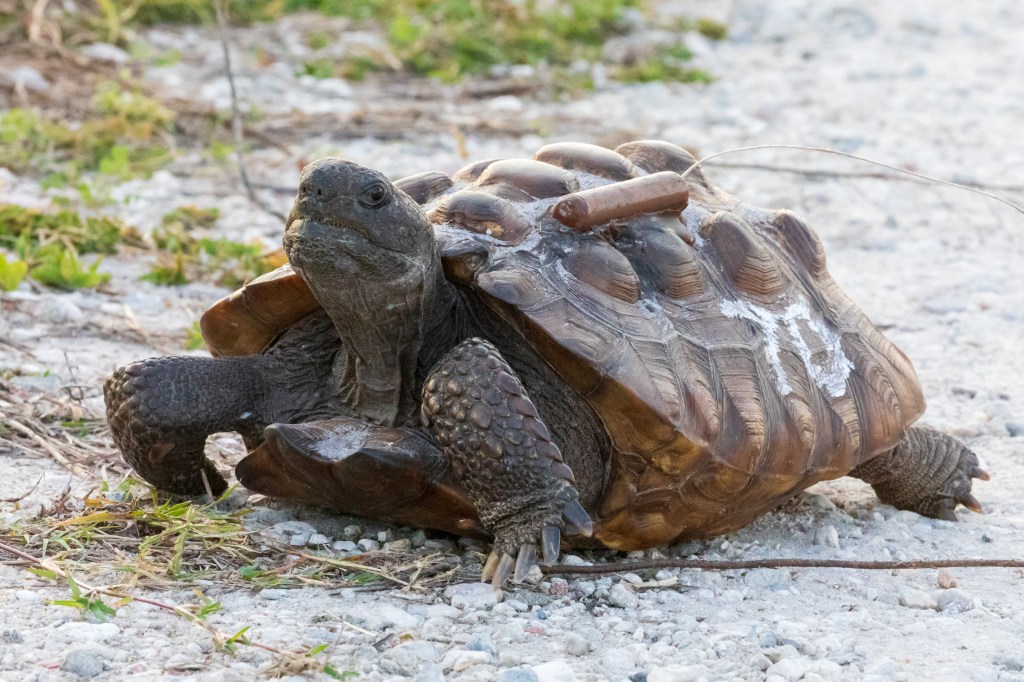
Gopher Tortoises are threatened due to habitat destruction. This is alarming because they’re considered a “keystone species,” mostly because their numerous and large burrows become home to hundreds of other species, including owls, snakes, amphibians, invertebrates, small mammals, and more. Gopher Tortoise burrows can be 10 feet deep ad over 40 feet long. We were lucky to see one. This guy has a tracker glued to his shell and is evidently #70.

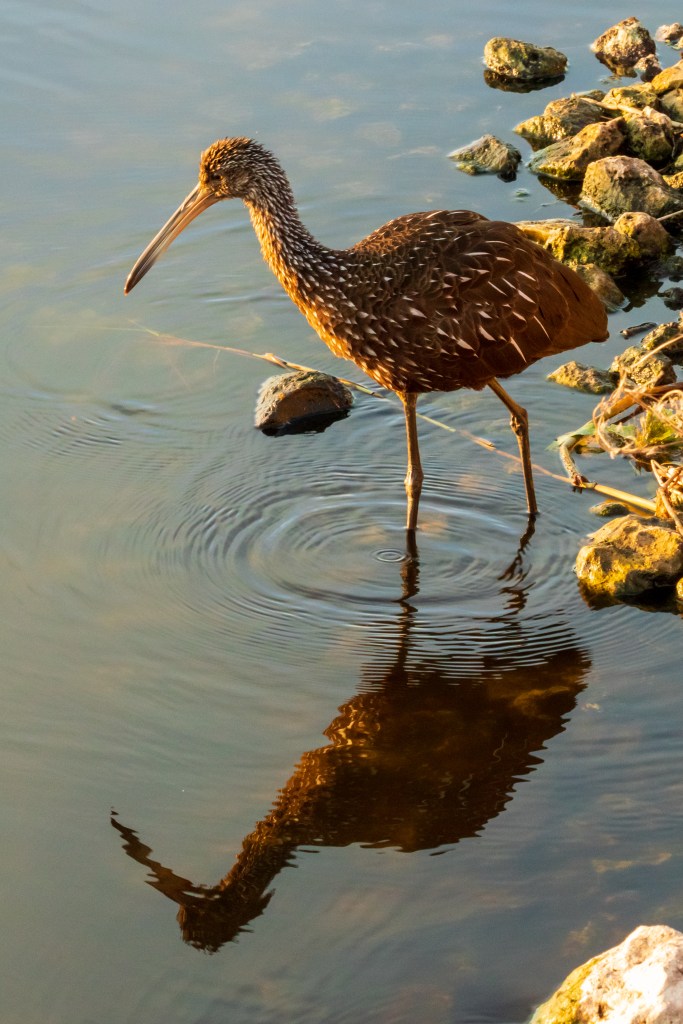
Limpkins are goofy birds that almost exclusively eat apple snails. Their beaks are specially adapted for extracting the sweet sweet snail innards.

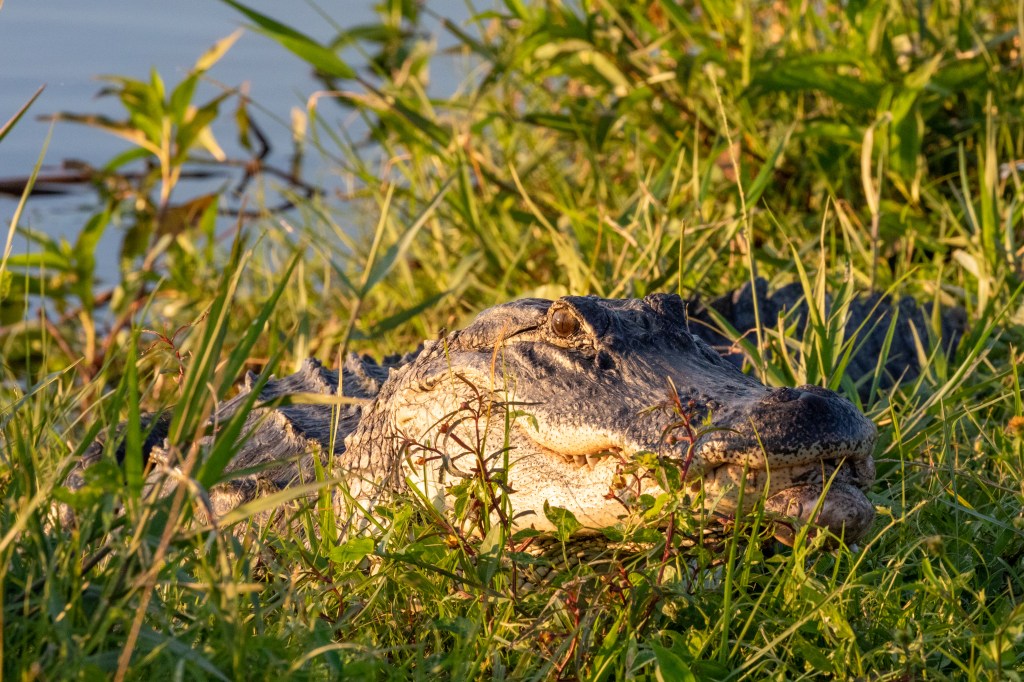
Alligators were plentiful at this preserve. On several occasions we had to carefully inch our way past alligators that were sunning themselves on a narrow peninsula of land where the trail went.

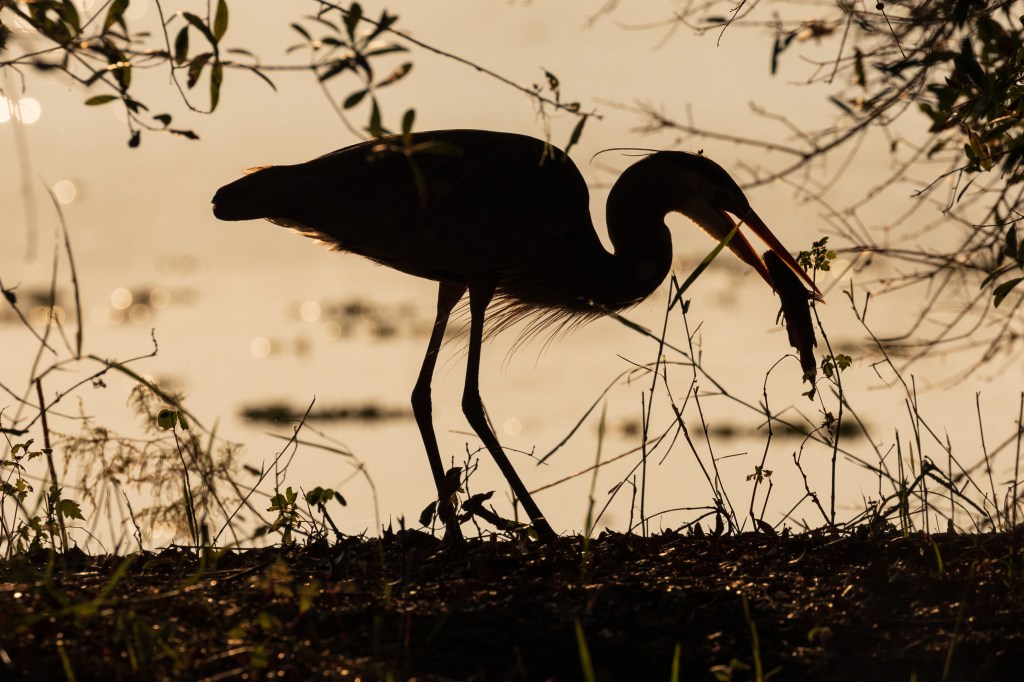
It took 5 minutes for this Great Blue Heron to properly align this huge catfish (well, huge for the heron) before swallowing it whole.

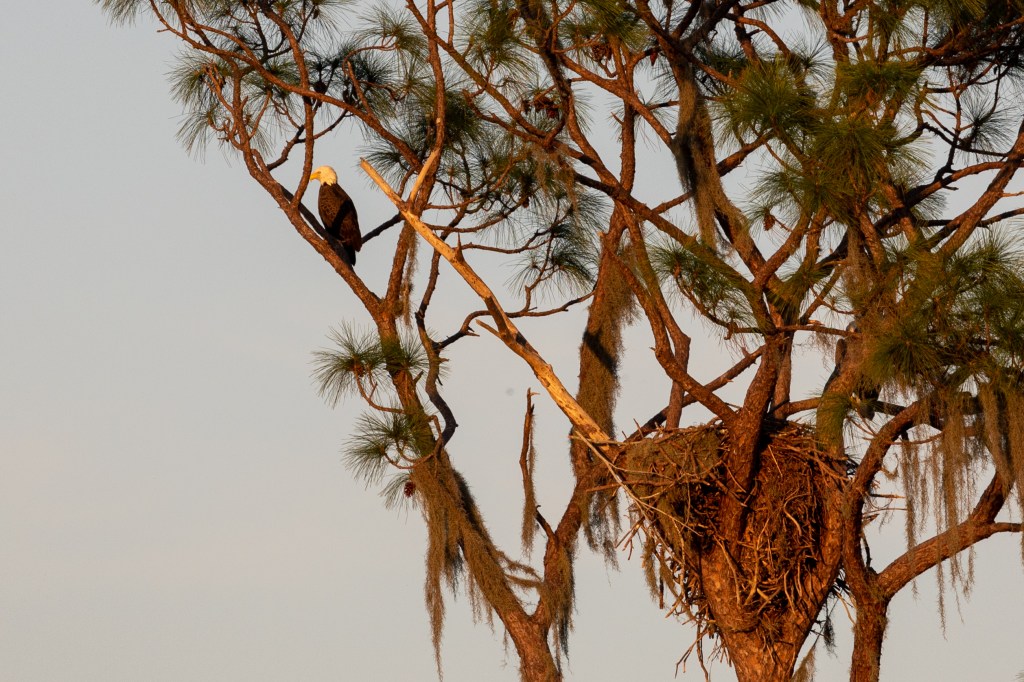
Bald Eagle nests can weigh over 2,000 pounds.

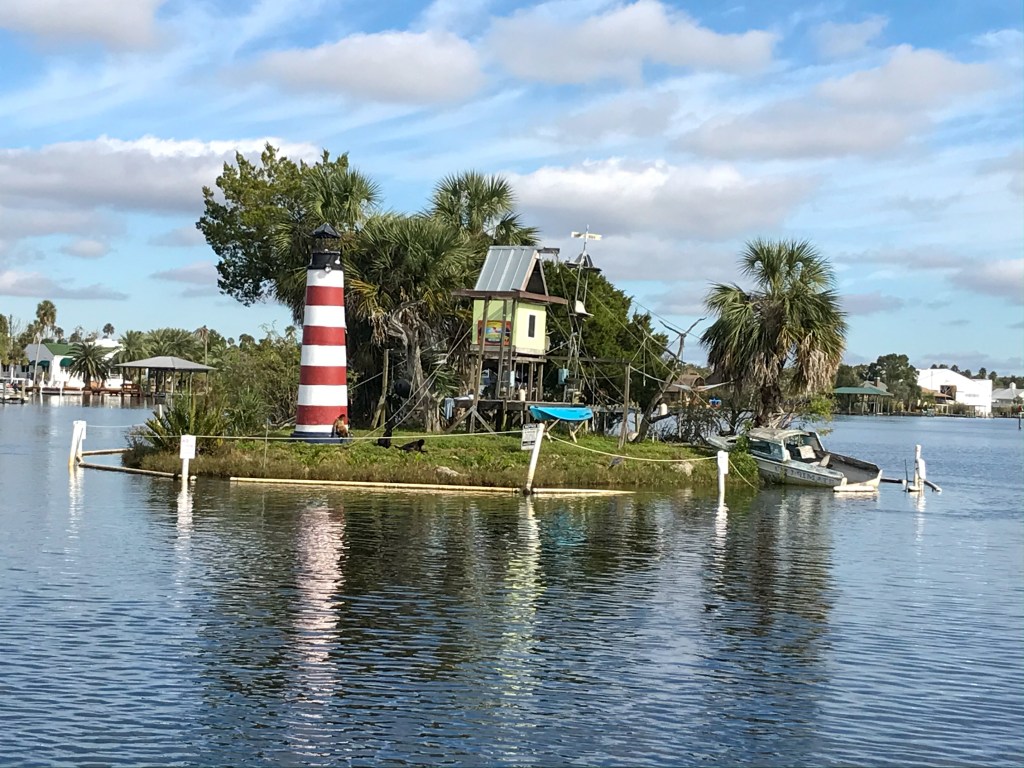
Monkey Island in Homosassa, Florida, is home to a handful of Spider Monkeys. Supposedly a doctor brought monkeys back from Africa to test Polio vaccines on, and once the monkeys had served their purpose, they were released on the island. They are fed twice a day, but I’m not sure by who. The monkeys looked happy, despite being confined to their little Alcatraz.

Now we’re headed further South.

Cheers!
First Oil Change

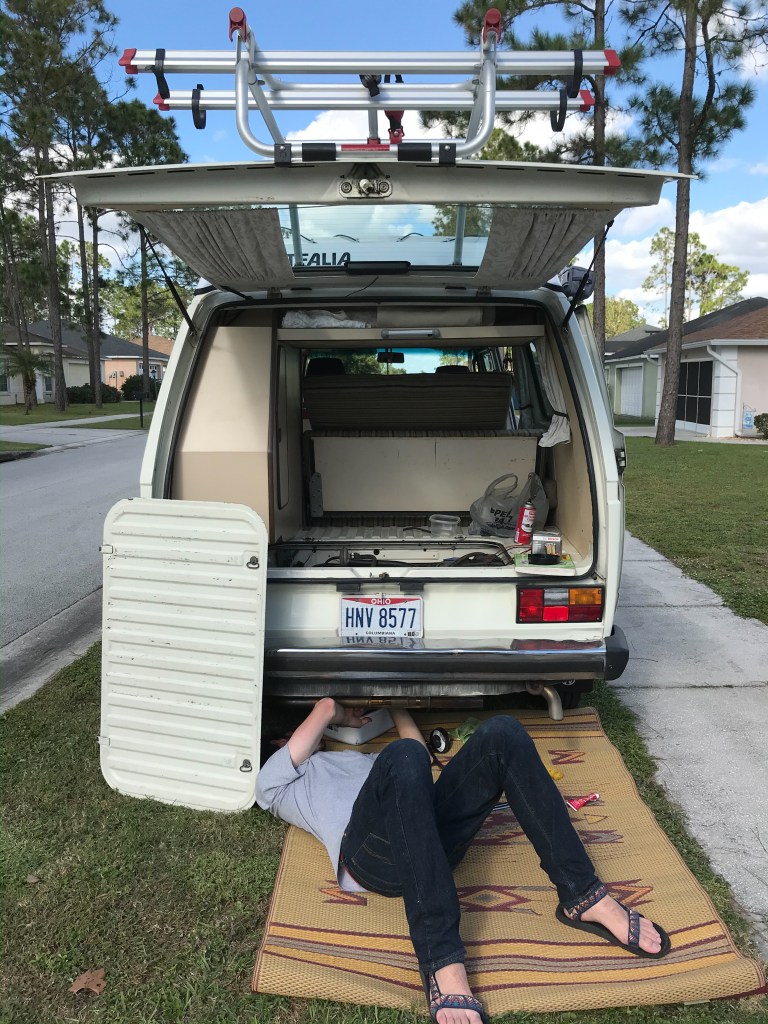
4,242 miles. That’s how far we’ve gone since we left Celina, Ohio on this trip. We chose to do the oil change in Lakeland, Florida, at Abbey’s Aunt and Uncle’s house.

We had a chance to take care of some other issues that have presented themselves recently:

  • About a week ago, the blower motor started to squeak really loudly, and then one day it seized and blew a fuse.
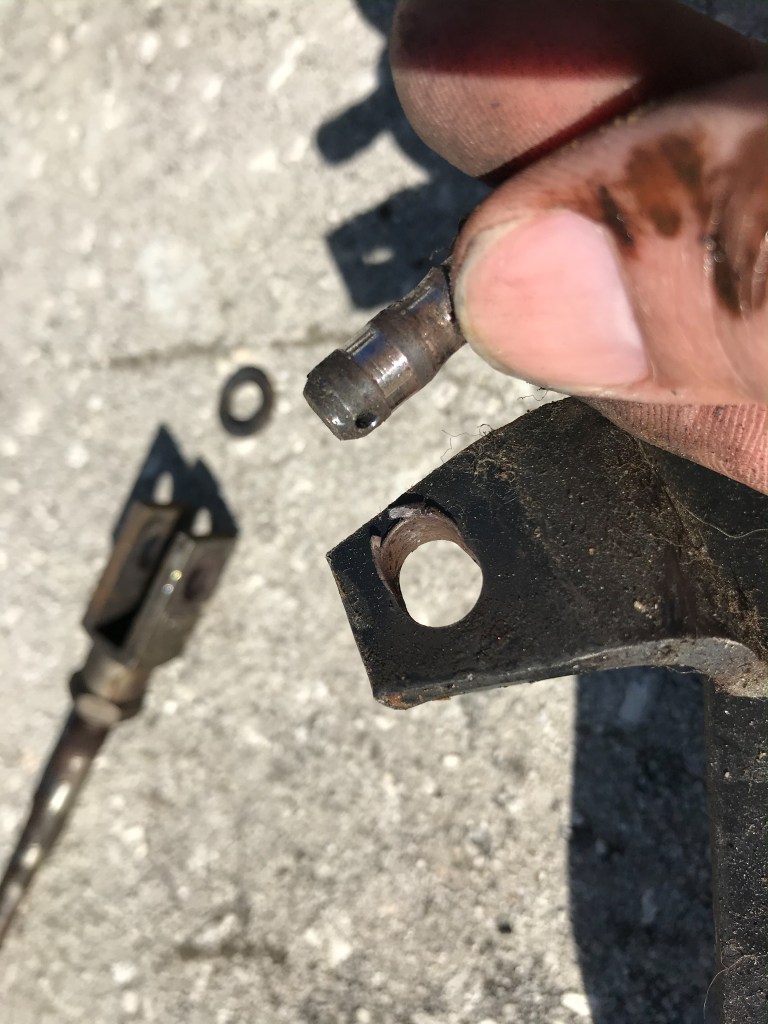
  • The clutch pedal has been sloppy since we’ve had the van. I investigated and found that the pivot point was badly worn and ovalized, resulting in lots of slop.
  • The headlights have been dim and the high beams only worked if you held in the switch.

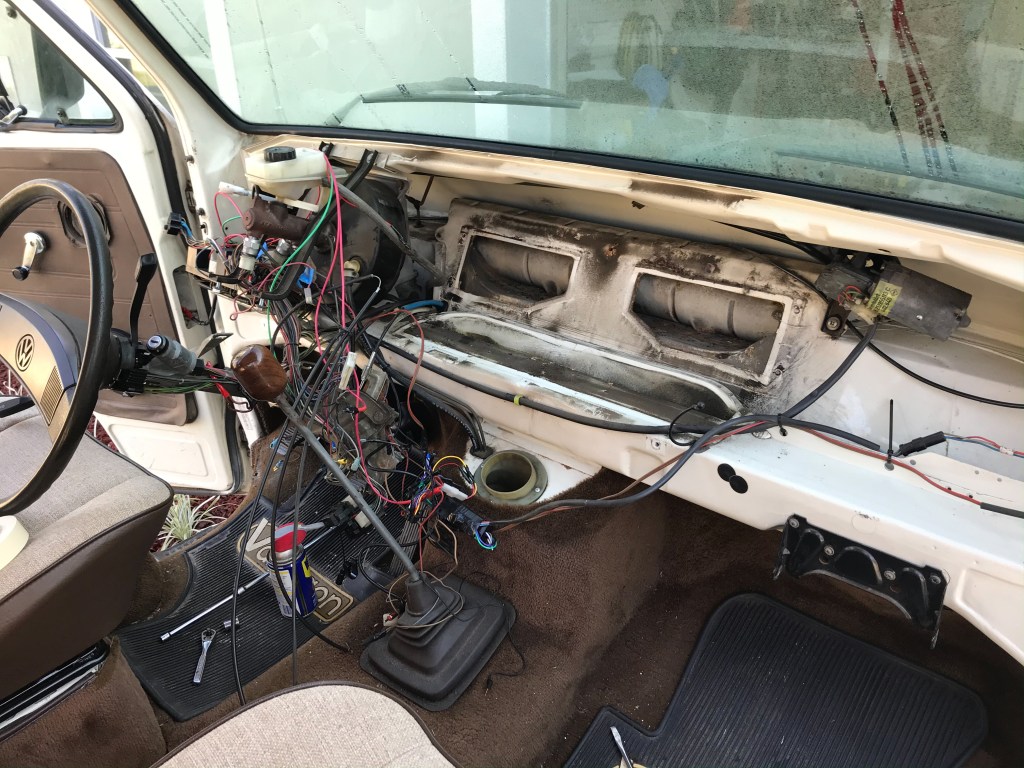
We ordered some parts and had them shipped to Lakeland ahead of our arrival. Then we spent a long day (or two) working on the van. Replacing the blower motor requires removing the dash, which isn’t too hard but it is tedious and time-consuming. We found a couple old mouse nests in the process.

Having the dash out made it easier to get to the clutch pedal assembly. It’s amazing what 286,000 miles of shifting can do to a pivot point – look at that wear!

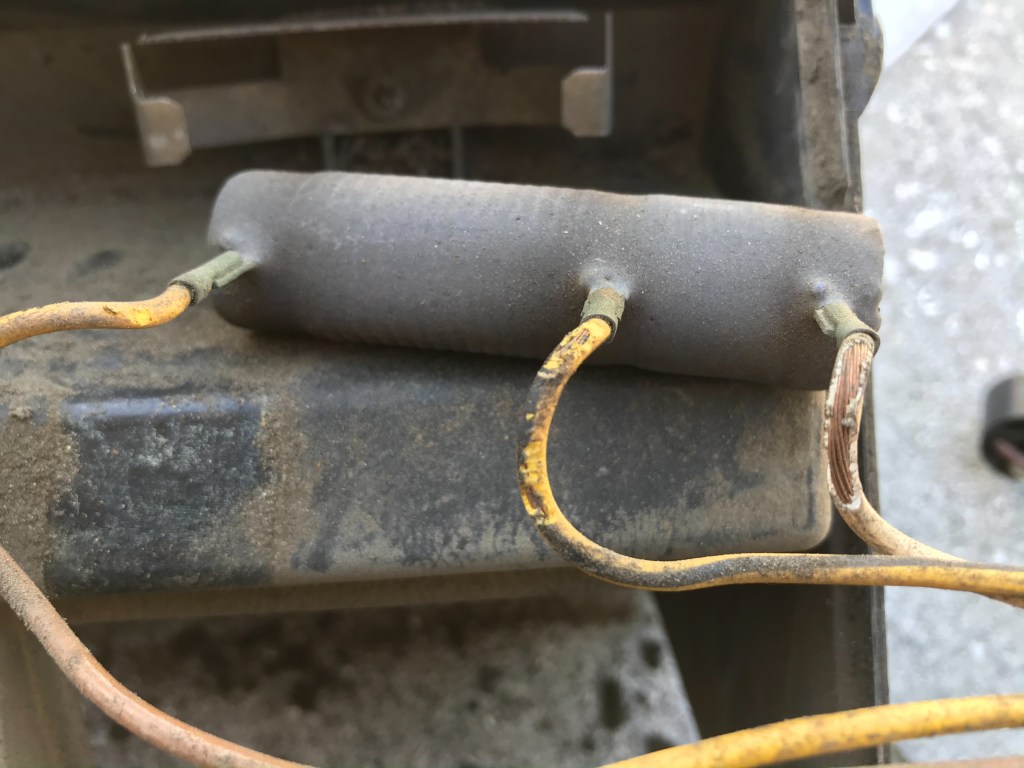
When the blower motor failed, I tested the resistor for the blower (it’s what gives you different fan speeds). Nothing was in-spec, and the wires were all mouse-chewed, so I made sure to replace it as well.

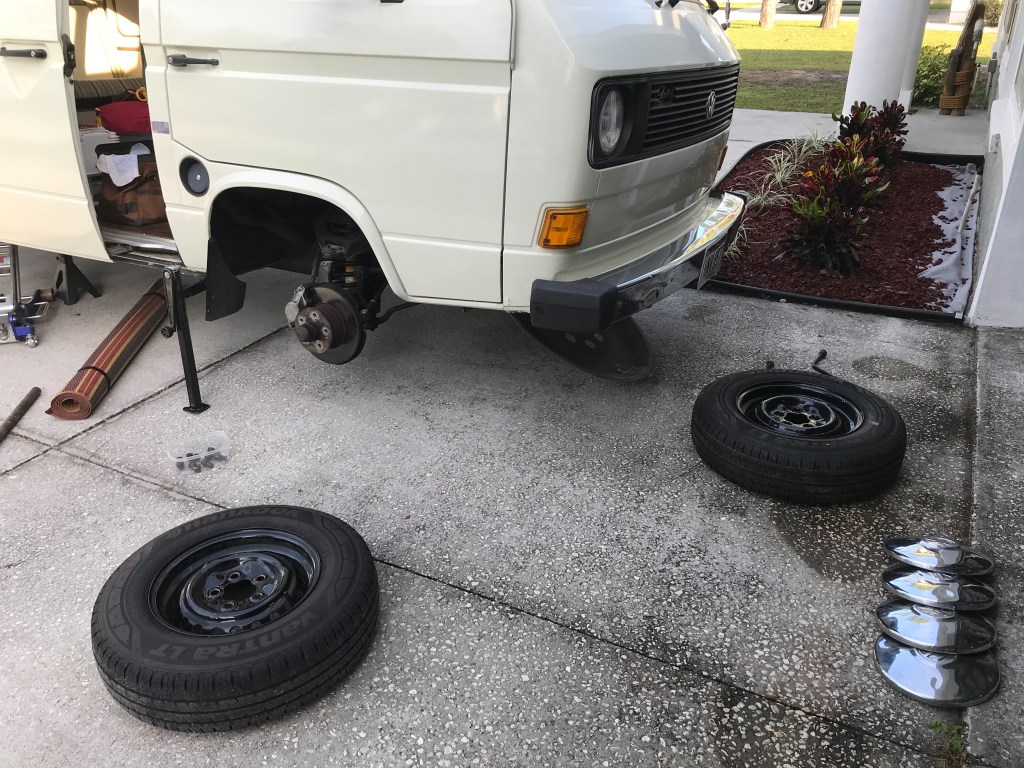
I figured now was a good time to rotate the tires. Having a full size spare means I get to rotate it in as well. Rotating tires is important. It gives you a chance to inspect the condition of the tires as well as your suspension and brakes. Everything looks fine.

I resolved the headlight issue(s) by replacing the switch, cleaning some ground connections, and wiring in two relays (low and high beams). The relays help because the Germans wired the headlights through the ignition switch, meaning the ignition has to be on for the headlights to be on. This is all fine and dandy, but by adding relays I shortened the electrical travel path and thus reduced voltage drop. The headlights are now noticeably brighter.

Since the headlight grounds were kind of dingy, I went around and cleaned up every other ground I could find under the dash and at the engine. Some were pretty corroded. After all this was done I swear Evelyn now starts and drives better.

Evelyn has been driving well thus far, and with this recent maintenance she’s ready for the next leg of our trip!

Cheers!
Hilton Head Island, SC

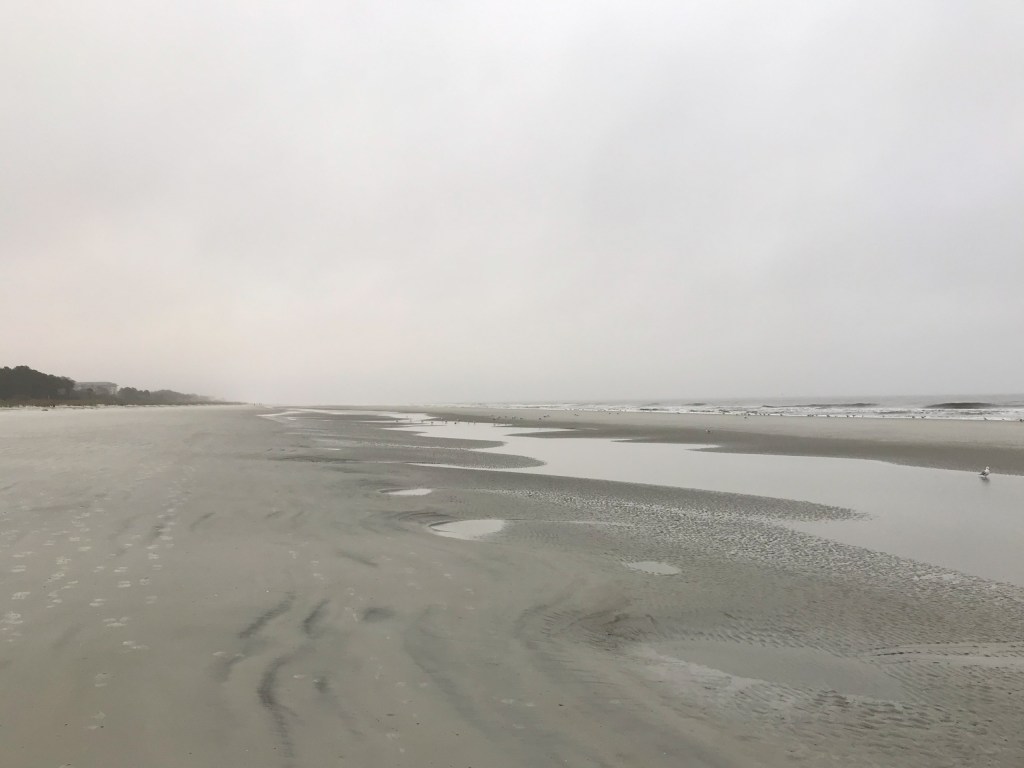
After exploring the Savannah area, Abbey and I turned back North for Hilton Head Island where we had friends to see. It was atypically cold and rainy nearly the whole time we were there, but at least that meant we had the beach to ourselves.

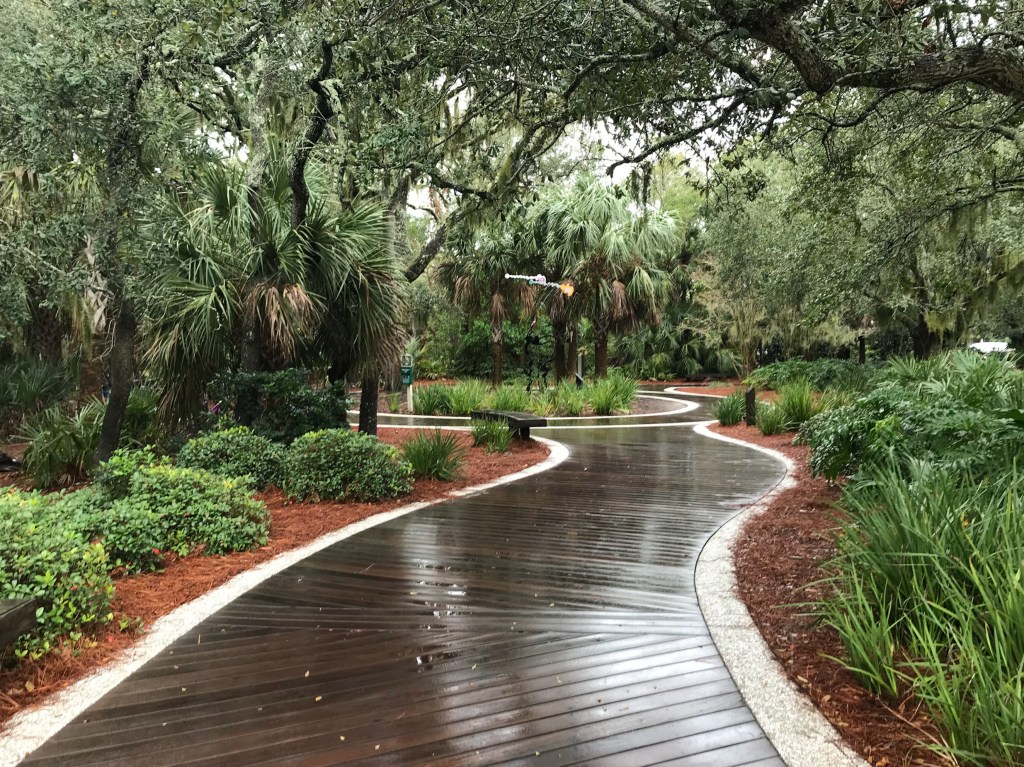
Hilton Head Island is a barrier island, just like Sapelo Island that Abbey and I visited a couple days earlier. Hilton Head is full of wealth, and it shows. I’m curious how much tax revenue the town brings in, because the pathways are beautifully landscaped boardwalks and the beach access has bathrooms, changing stalls, showers, fountains, etc. that are all top-notch. This is all a polar opposite to Sapelo. I enjoy seeing both ends of the spectrum.

When I started working at Beaver Valley, Dave was my boss. I learned many lessons, specific to nuclear and not, under his tutelage, and we’ve kept in touch since he retired four years ago. Steve is another Beaver Valley guy with great stories and a rational intellect that can only be described as German. Along with their wives Sharon and Denise, and Abbey’s good friend from college David, we went out for drinks and dinner. We all had a fantastic time. I drank too much Guinness and was somewhat miserable the next day.

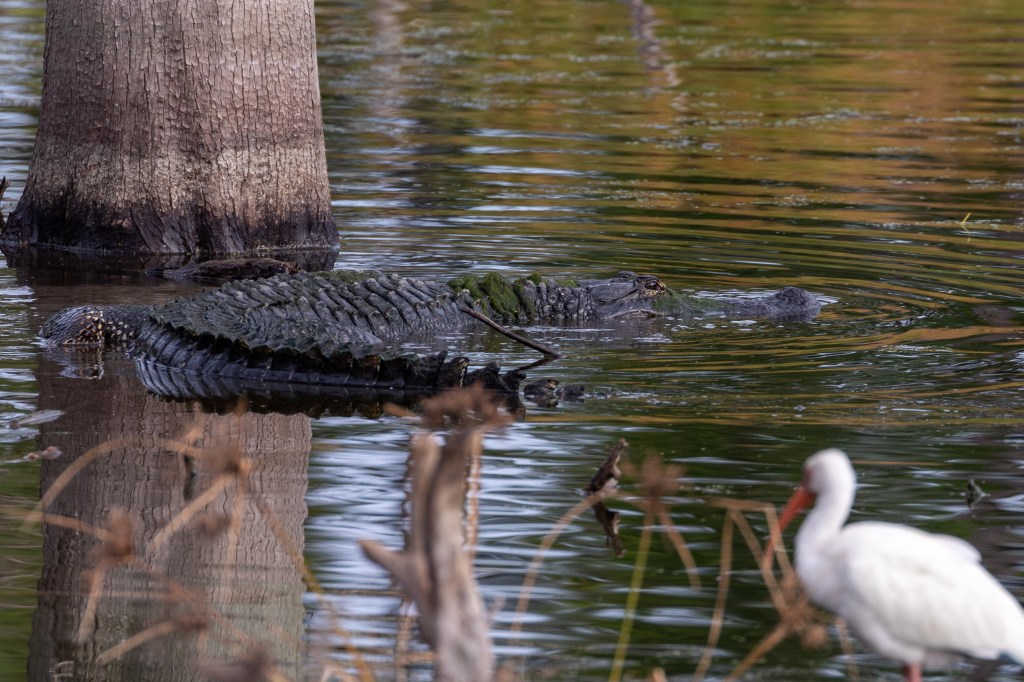
Pinckney Island National Wildlife Refuge is on the island right next door to Hilton Head. David, Abbey and I tried going when it was lightly raining one day, but as soon as we got down the trail a little bit, the winds started raging and it just poured. We were all soaked to the bone – the rain jackets and umbrellas did nothing! Abbey and I decided to try again on our way out, and we’re glad we did. We saw our first alligators of the trip, and were in awe at the bird life.

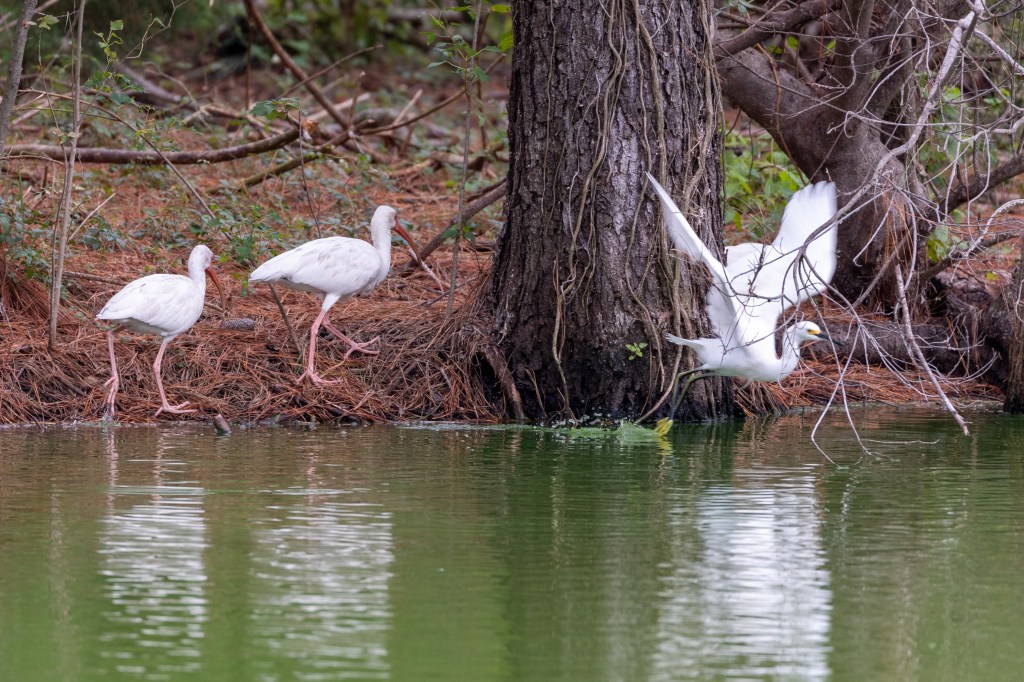
I hate to turn this blog into a place where I post pictures of birds, but I like birds, and I like taking pictures of birds. Maybe I’ll go a little overboard this post and then dial it back a little next time.

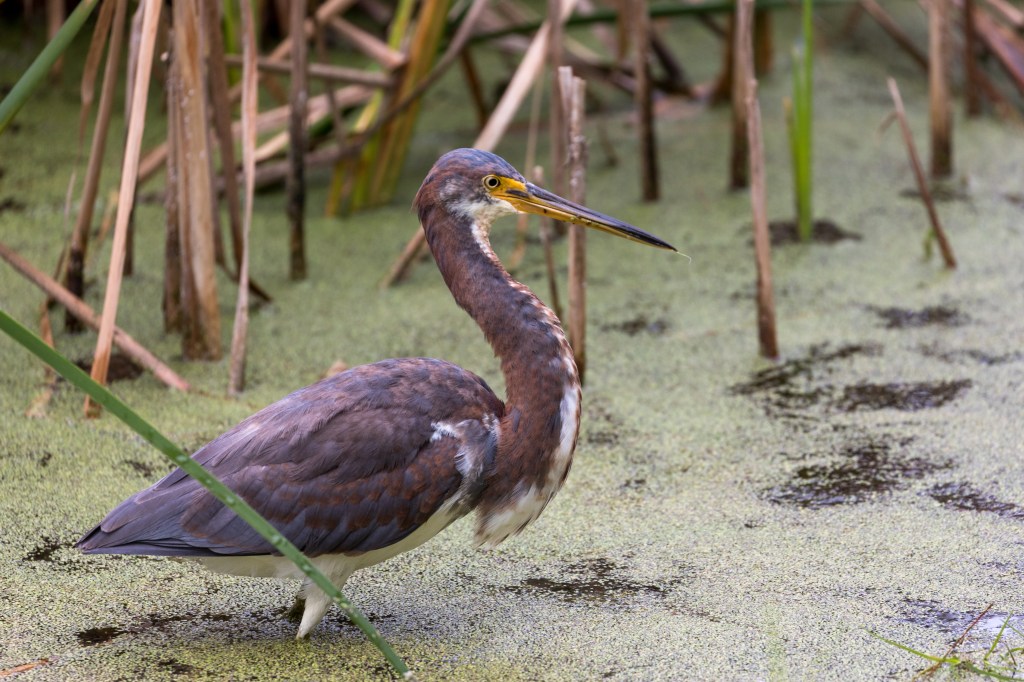
This is a Tricolored Heron. You can generally identify them by the fact that they are three colors.

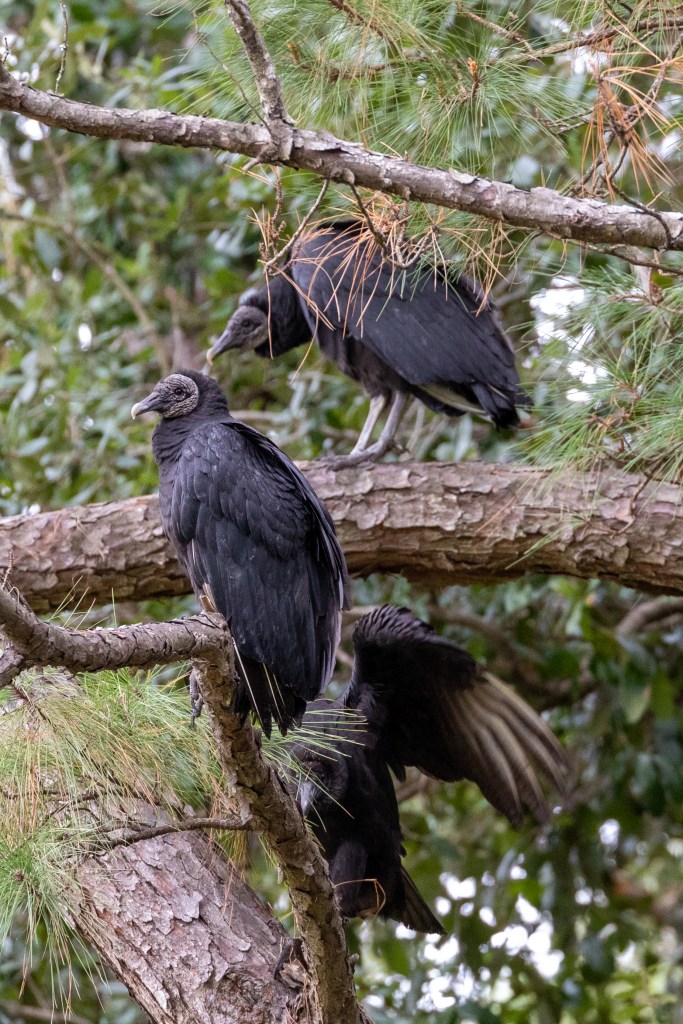
These are Black Vultures. They are highly social. They find dead stuff to eat using their eyesight. Turkey Vultures are opposite. They are solitary. They find dead stuff through smell (best sense of smell in the bird world – can smell a corpse a mile away).

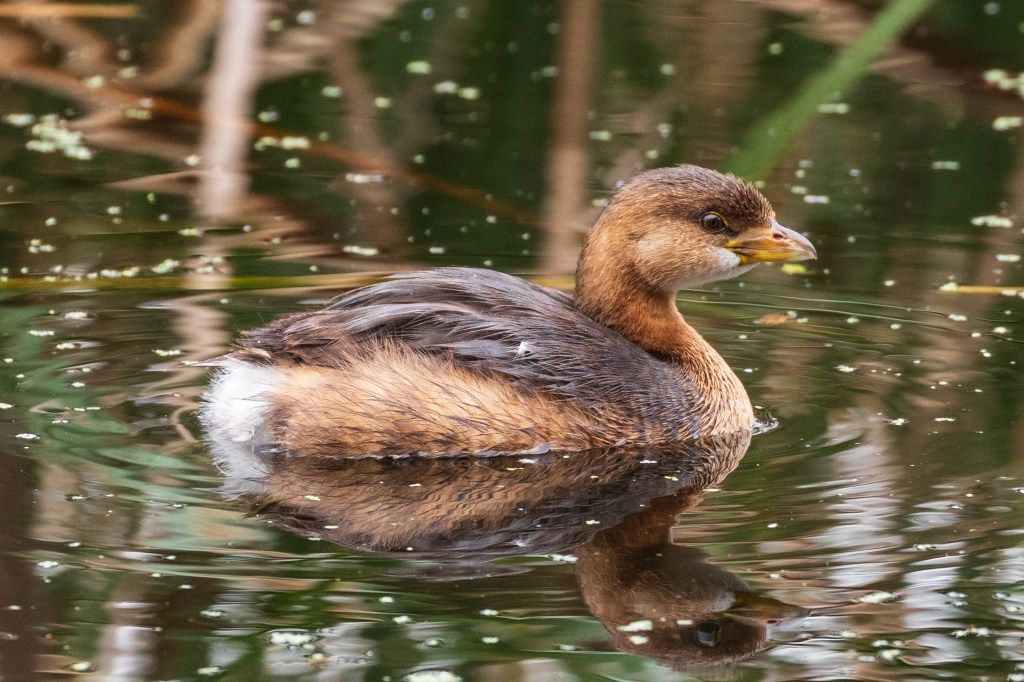
Pied-Billed Grebes are part submarine. They can be swimming along, and then just slowly submerge down into the water. They catch lots of yummy fish down there.

Cheers!
Savannah, GA

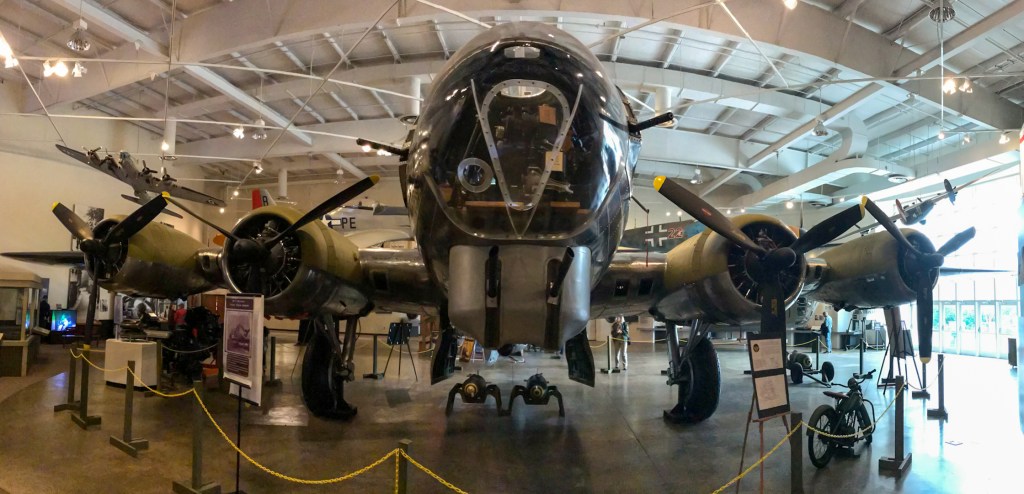
The National Museum of the Mighty Eighth preserves the history of the Eighth Air Force from World War II to today. Abbey and I had no plans to visit until I randomly saw it on Google Maps and said, “We’re Stopping!!” The centerpiece of the museum is a restored B-17.

While we were touring the museum, I spotted 4 people wearing matching B-17 jackets. They were being escorted by a guy in a suit. Intrigued, I followed (Abbey had wandered off somewhere else), and listened as the curator gave the 4 people a private tour. As it turns out, the people were actual B-17 pilots and had just landed another B-17 at the Savannah airport. Woah!
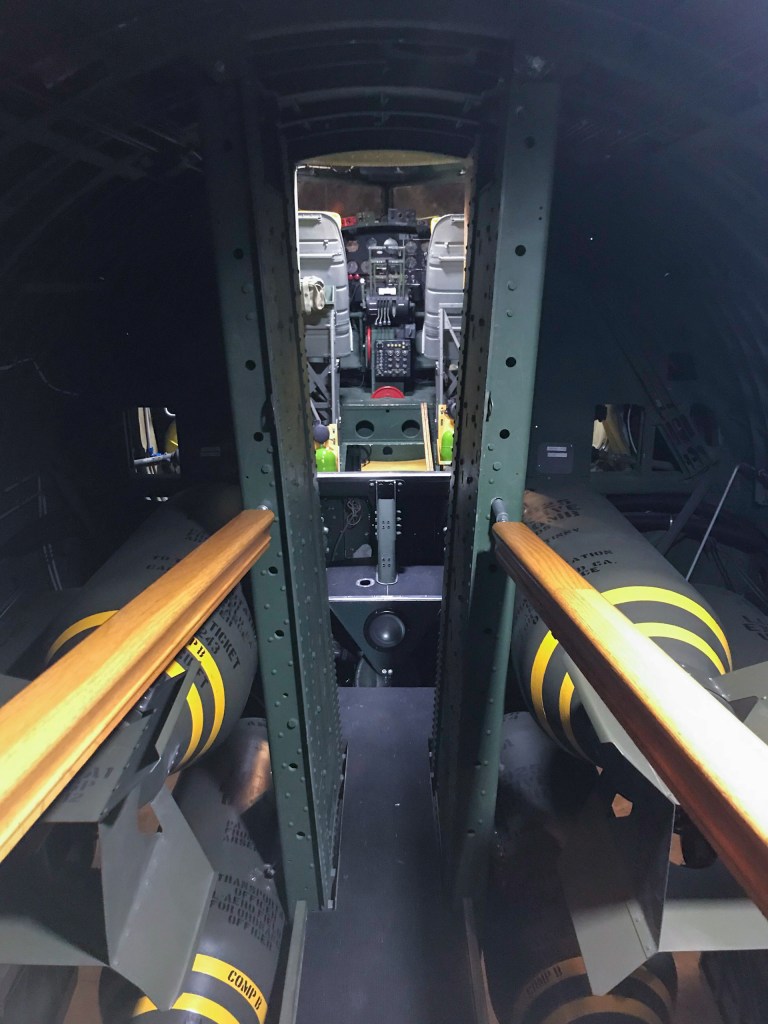
The curator pushed some steps up to the B-17 and cleared out the barricade. The group ascended into the plane while I stood at the bottom of the steps looking forlorn. After a minute, the curator took pity, and realizing no one else was around, let me come up! The interior was fully restored and prepped for battle. I couldn’t believe how tight it was and how thin the framing and aluminum skin were. I proceeded to be part of the private tour for the next half hour, and learned all sorts of fascinating facts (well, fascinating to me but maybe not everyone) about the B-17. After the pilots left, the curator continued to give me a private tour of a Messerschmitt 109 and others. It turns out he retired from Westinghouse in Cheswick, PA where he decommissioned and decontaminated reactor coolant pumps for nuclear power plants. We knew a lot of the same people. Small world.

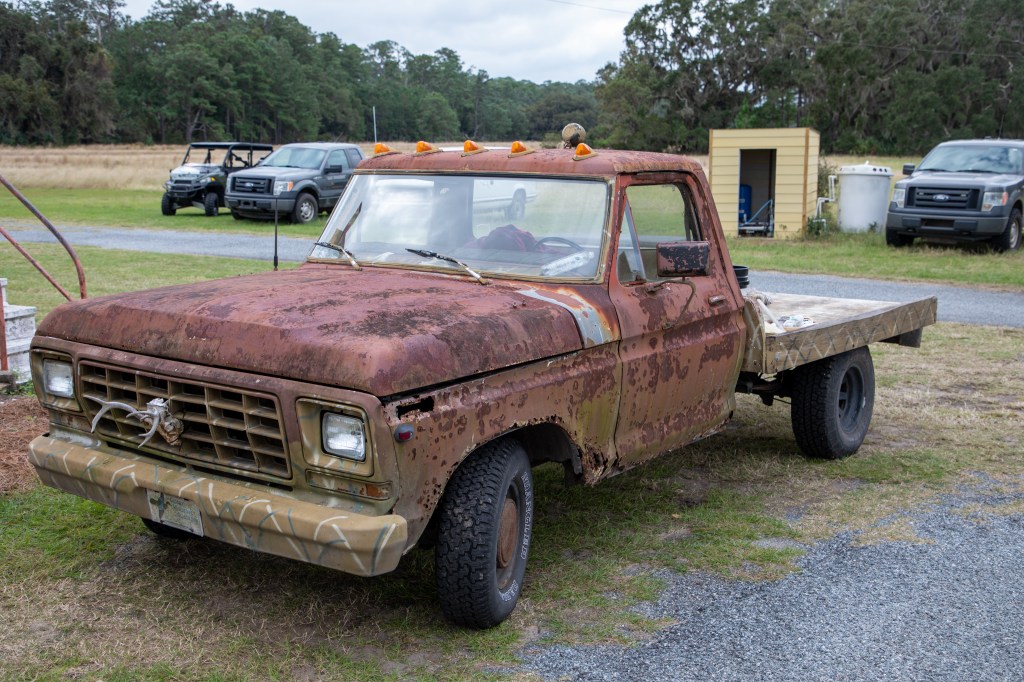
Sapelo Island is a state-managed barrier island in Georgia. You have to take a ferry to get there, and there are only about 70 full-time residents. Things are a little different out there. All the resident cars are old, decrepit heaps that barely run – it’s too expensive to ship over newer cars and the residents wouldn’t have the money anyways. None of the cars have license plates or current registration but no one seems to care. The exception is the state vehicles – they drive newer trucks and side-by-sides.

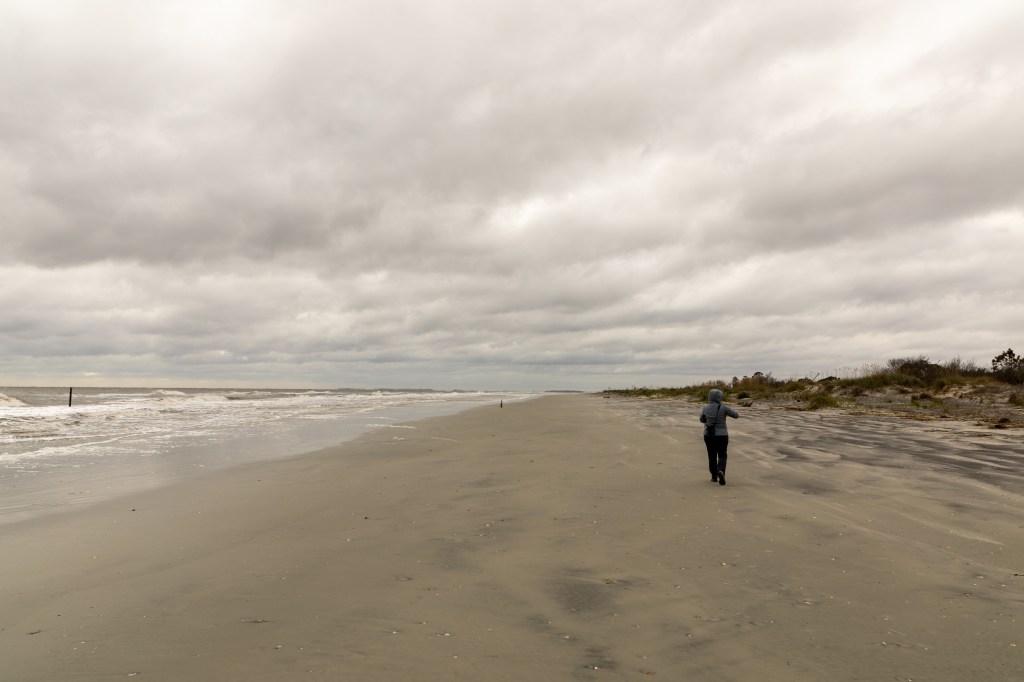
It was barely in the 30’s when we were on Sapelo, and wind and scattered showers made it feel colder. Because of this, no one else was on the beach. Sometimes I think we’re a little crazy.

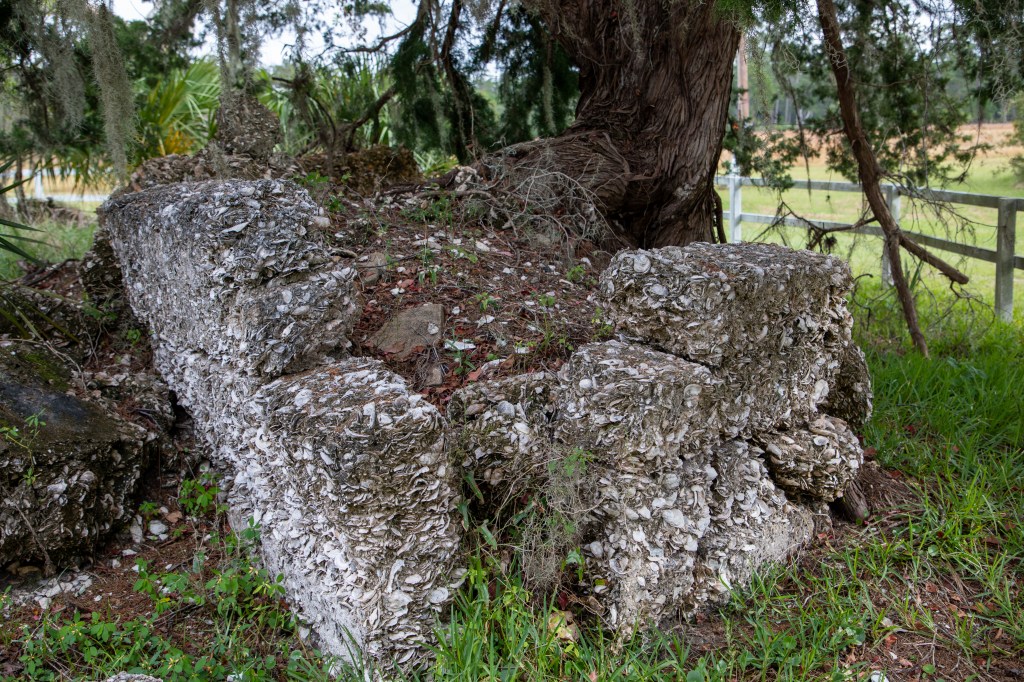
Sapelo has a rich history. Various Native American tribes lived here for thousands of years, then the Spanish came in the 1500’s. Some ruins of older structures remain. Tabby was a common building material – equal parts lime, sand, oyster shells, and water.

We had a tour with a biologist while on the island, who specializes in endangered species but sort of gets involved in everything, including tagging and tracking horseshoe crabs. His jaw dropped when asking the audience why horseshoe crab blood is important, I answered, “Limulus amebocyte lysate (LAL)!” LAL is used to test basically every pharmaceutical or medical device that comes in contact with blood. It is incredibly effective at identifying bacterial contamination. It will clot even with very small contamination. Before horseshoe crab blood, new vaccines or drugs had to be injected into hundreds of test rabbits or other animals and wait for symptoms to see if the vaccine was contaminated. 600,000 horseshoe crabs are caught, drained of 30% of their blood, and released back into the ocean in the United States each year. Some other countries don’t do the whole “releasing back into the ocean” part.

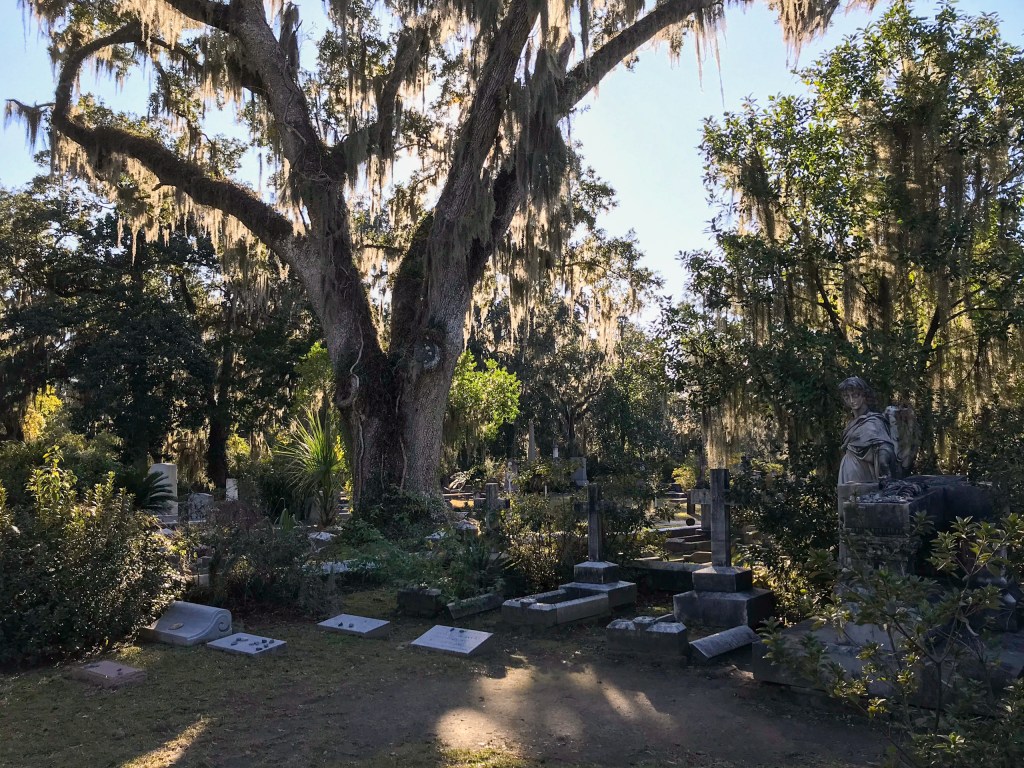
Bonaventure Cemetery is sprawling and spiritual, with Brobdingnagian trees and graves. The solitude and the spirituality was destroyed when a tour bus stopped and offloaded in the center of the cemetery, complete with a loud and over-eager tour guide. It didn’t bother Abbey as much as it bothered me.

Cheers!