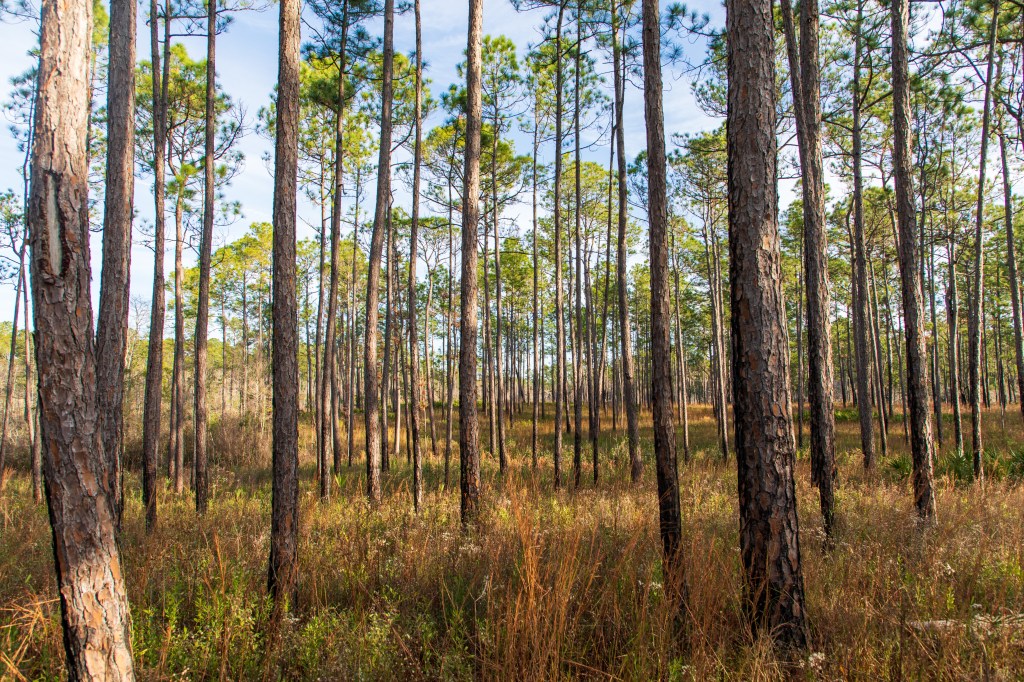
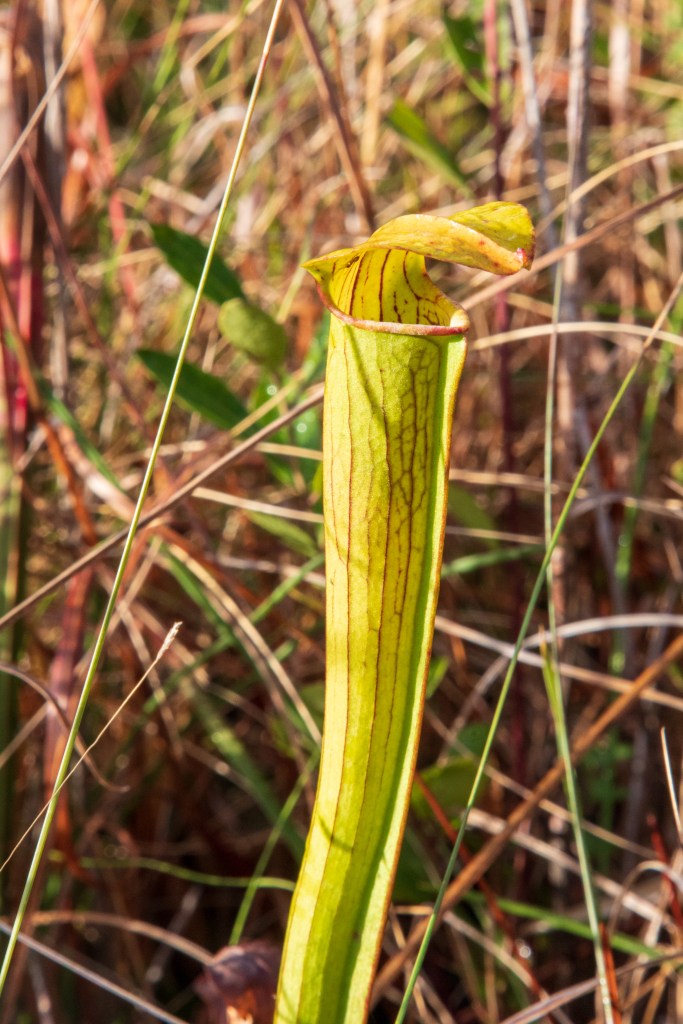
The Mississippi Sandhill Crane is critically endangered, with 129 birds left in the wild. They’re all in or around the Mississippi Sandhill Crane National Wildlife Refuge, and Abbey and I were lucky enough to see two on our visit (didn’t get a picture, though). The refuge was established in 1975 when the population was down to about 35 birds. The NWR has a few miles of great hiking trails and lots of informative signs along the way. There are 10 species of carnivorous plants living in this area of Mississippi, and Abbey and I saw most of them. This pitcher plant traps unsuspecting bugs and then slowly dissolves them alive.
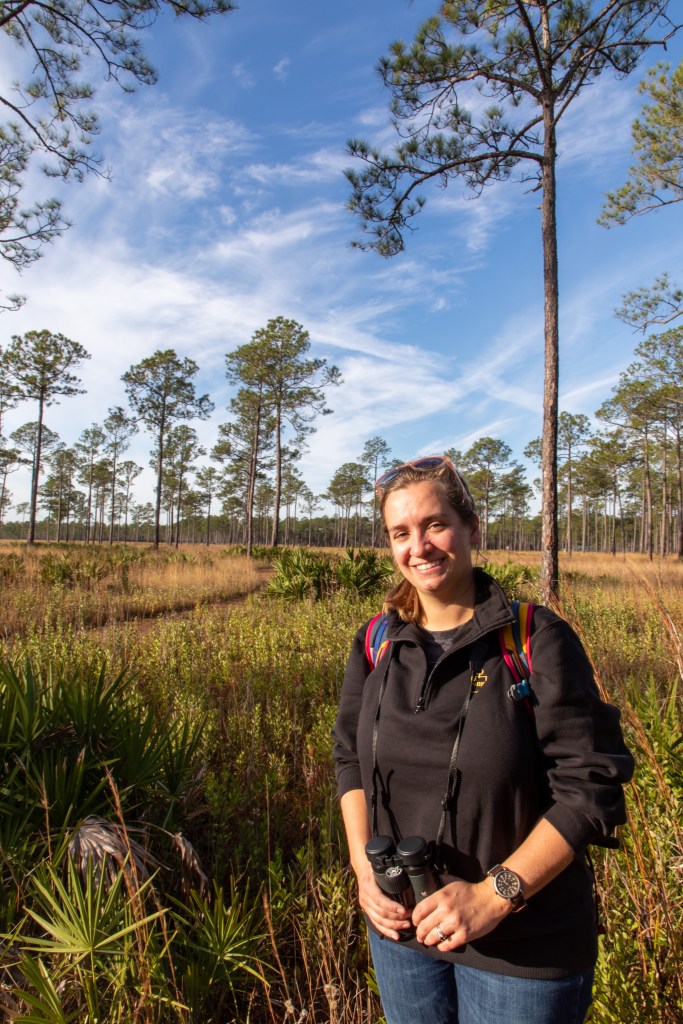
The landscape in the NWR is a mix of beautiful open savanna, cypress groves, and wetlands. The visitor’s center here is thorough and informative. If you’re ever traveling on I-10 through Mississippi, it’s worth a visit.
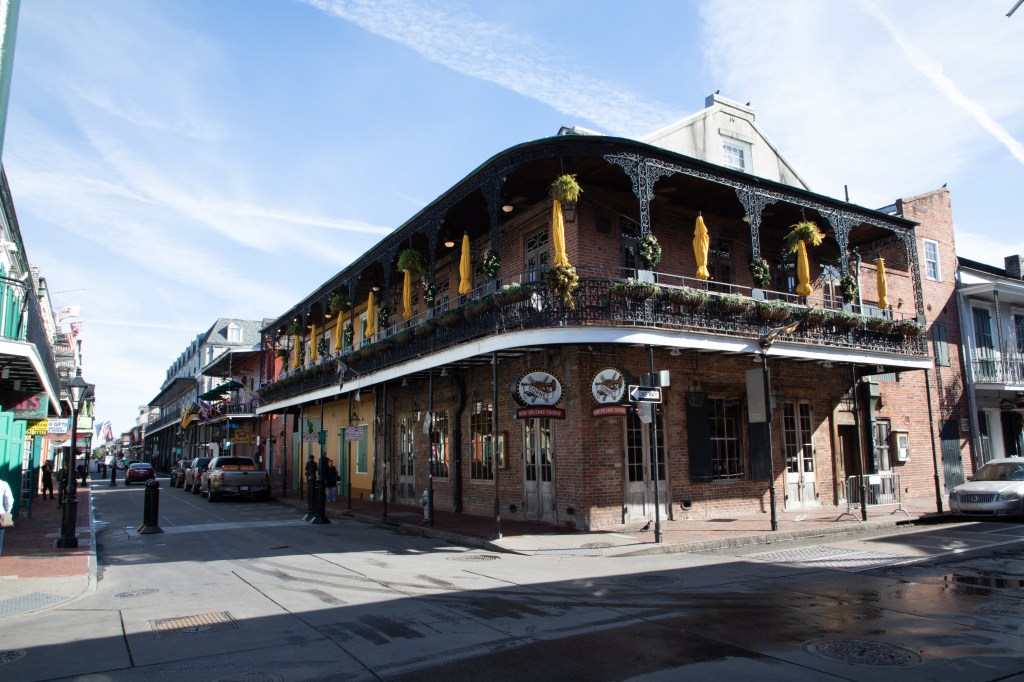
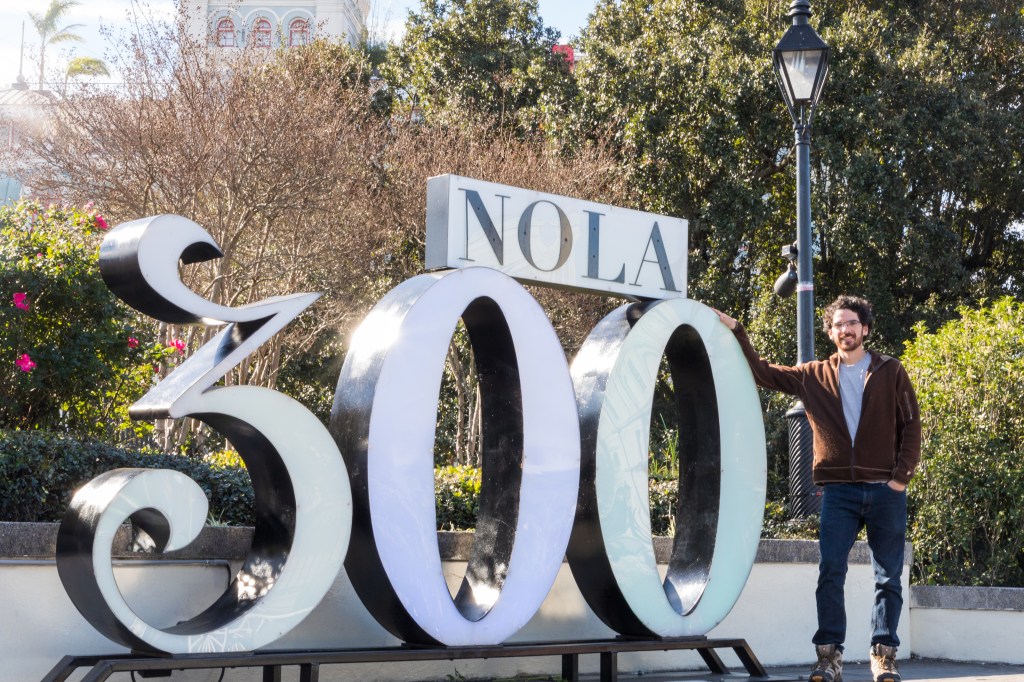
We got into New Orleans around 10AM, which means everyone was still cleaning up from the party the night before. Typical of party towns, the sidewalks were being hosed off and the whole place smelled of stale beer and bad decisions. We walked around, rode the trolleys, and ate beignets at Cafe Du Monde. Lovely.
I’ve had a long-standing goal to visit all 50 states, and Louisiana was the last one on my list. I’m very fortunate to have seen so much of the United States already. Now I need to figure out what my next goal should be.
After we left New Orleans, Abbey and I decided on camping in a remote Wildlife Management Area. We drove for miles and miles down dirt roads through thousands of acres of sugarcane fields.
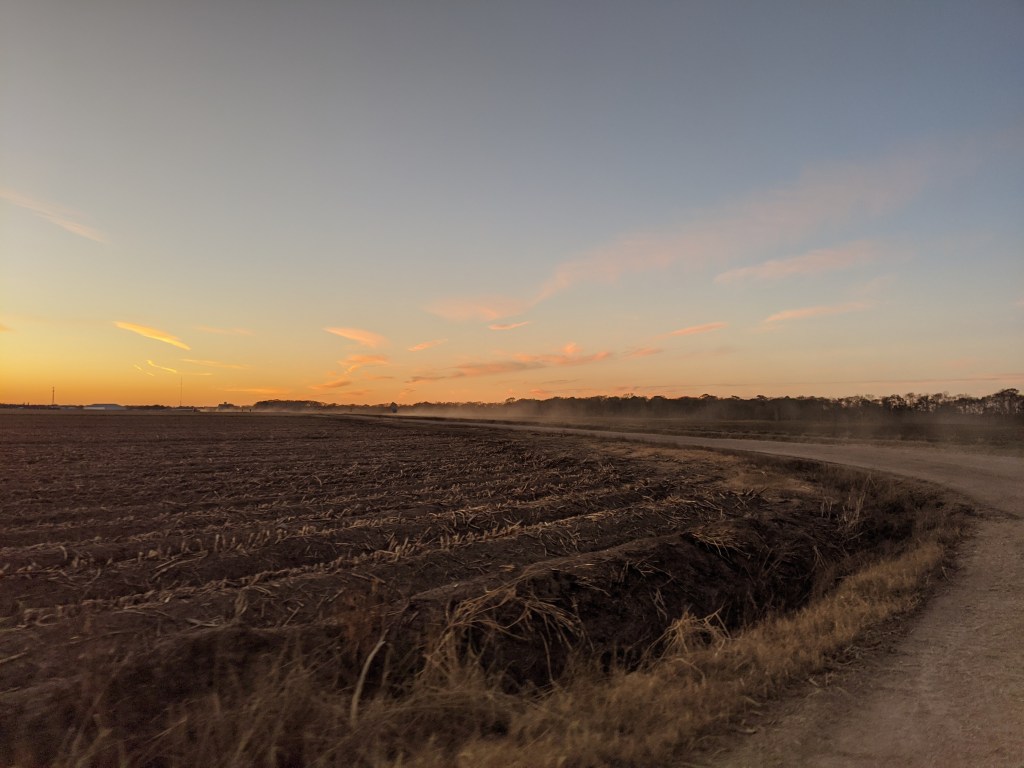
We also drove past some fields that were on fire! Farmers burn the sugarcane fields after harvesting to get rid of the dried stalks and make plowing and sowing easier.

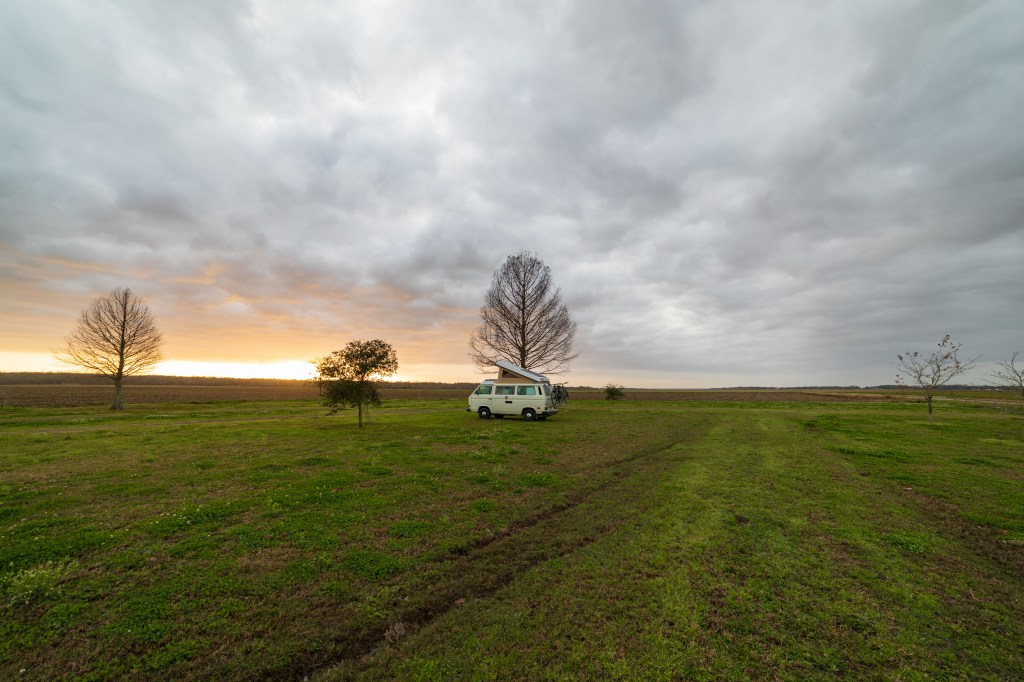
We arrived at our destination and were the only ones there. The campground was just a little patch of grass between the sugarcane fields and the bayou, but it was just what we were looking for.
The following day we drove to Avery Island, home of Tabasco! The self-guided tour was fascinating, and shows each step of the process from plant to bottle. I had no idea that all Tabasco is aged for at least 3 years in oak barrels.
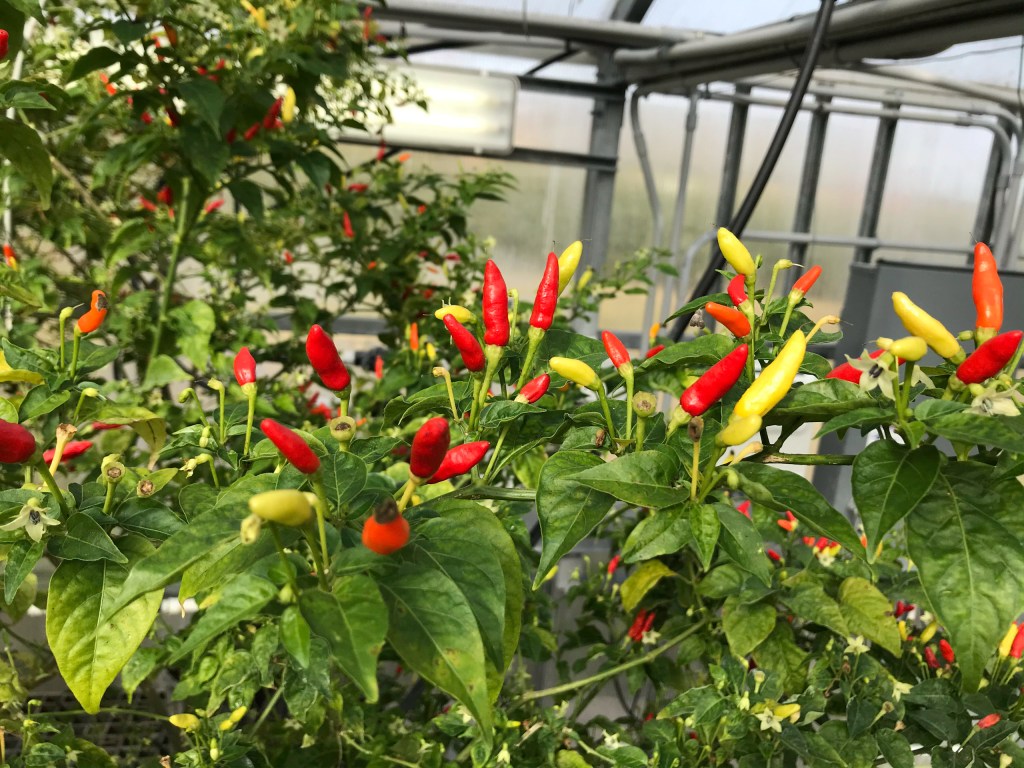
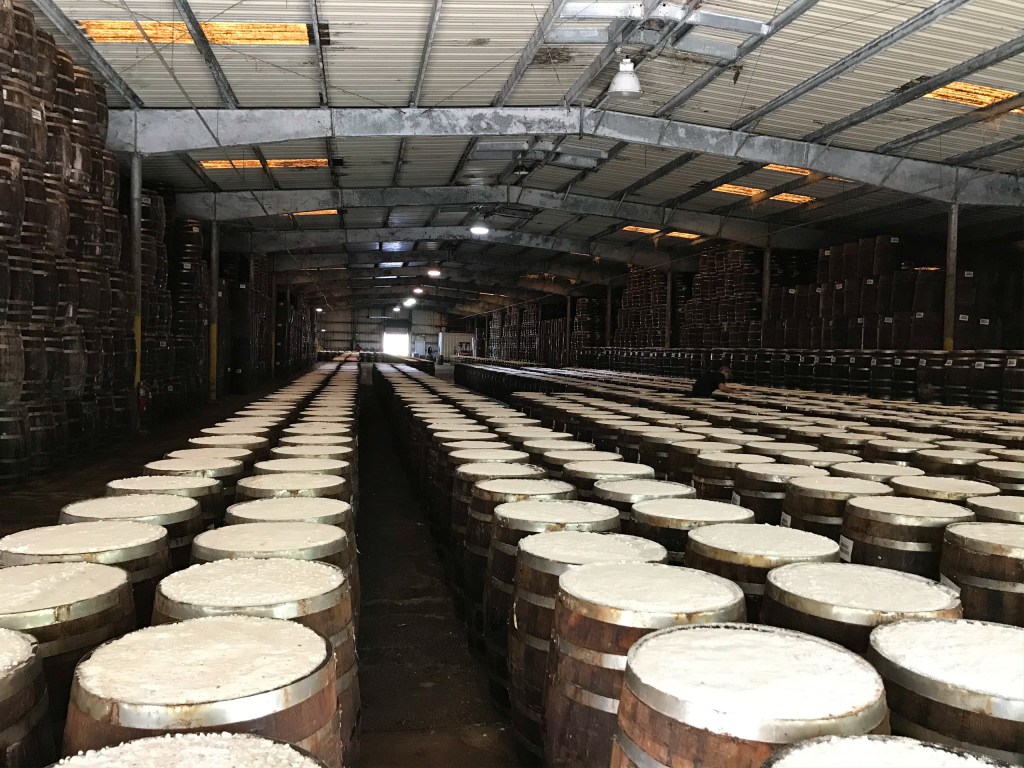
Not all of the pepper plants are grown on Avery Island anymore, but all of the bottling – for the entire world – happens here. That’s a lot of Tabasco.
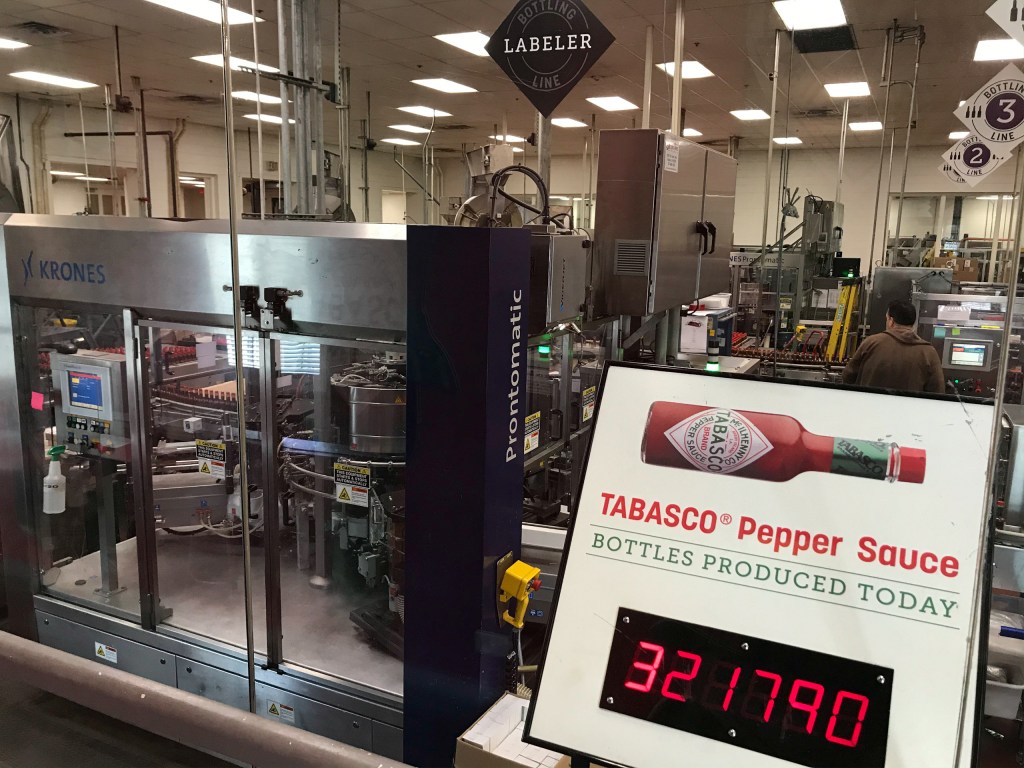
The tour costs $5.50 a person, but you get to sample dozens of Tabasco products (including Tabasco ice cream) and they give you three mini-bottles to take home. The best part of the tour, however, is the smell of mashed peppers, salt, and oak barrels, which permeates everything.
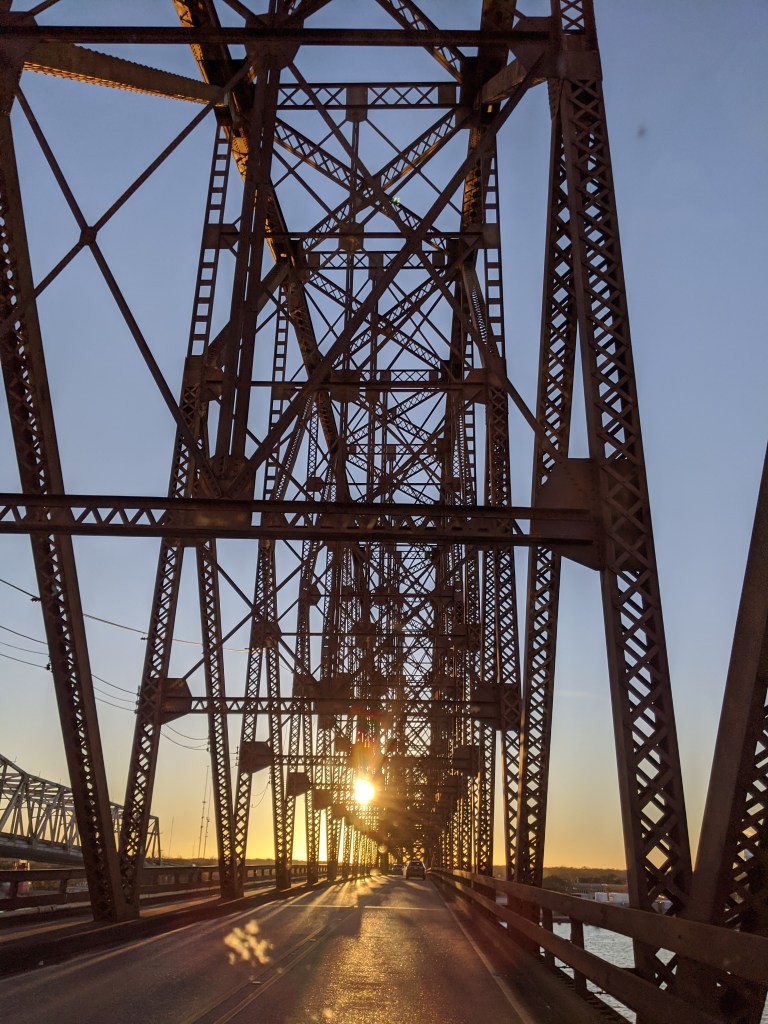
Bridges in Louisiana are old, dilapidated, and plentiful. It’s fun driving across them, but I found myself crossing my fingers a couple times.
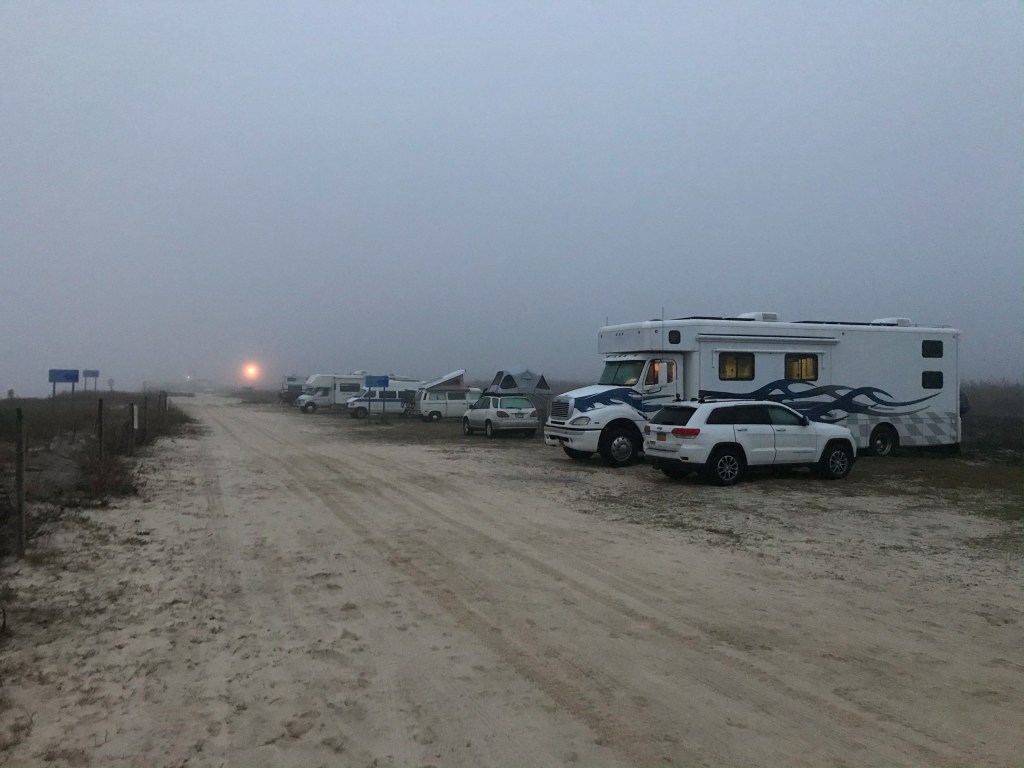
In the evening we decided to camp at a beach, and since it was so remote, we initially thought we’d have it to ourselves like at the Wildlife Management Area the night before. This wasn’t the case. Unfortunately, there are Apps for people traveling in campers. If a location makes it into the App, all bets are off and the solitude of the place is probably ruined forever. It was still a nice camp, though, and we talked to some friendly people from Wisconsin. We also got a little stuck in the sand, but I was able to dig us out in about 10 minutes.
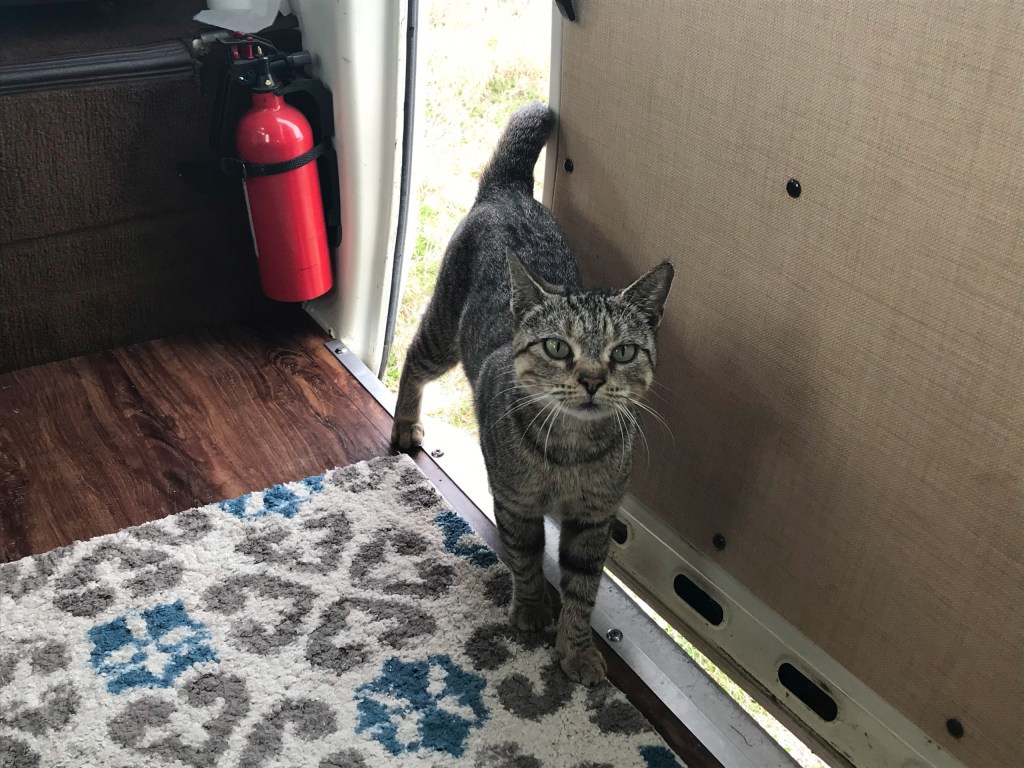
There was a friendly cat at this beach, likely from one of the houses down the road. I wish people wouldn’t let their cats out so much, especially in areas like this where there are signs everywhere saying “Warning – Critically Endangered Shore Bird Nesting Area – Flightless Chicks.” I’m sure this cat is a ruthless murderer. Cute though.
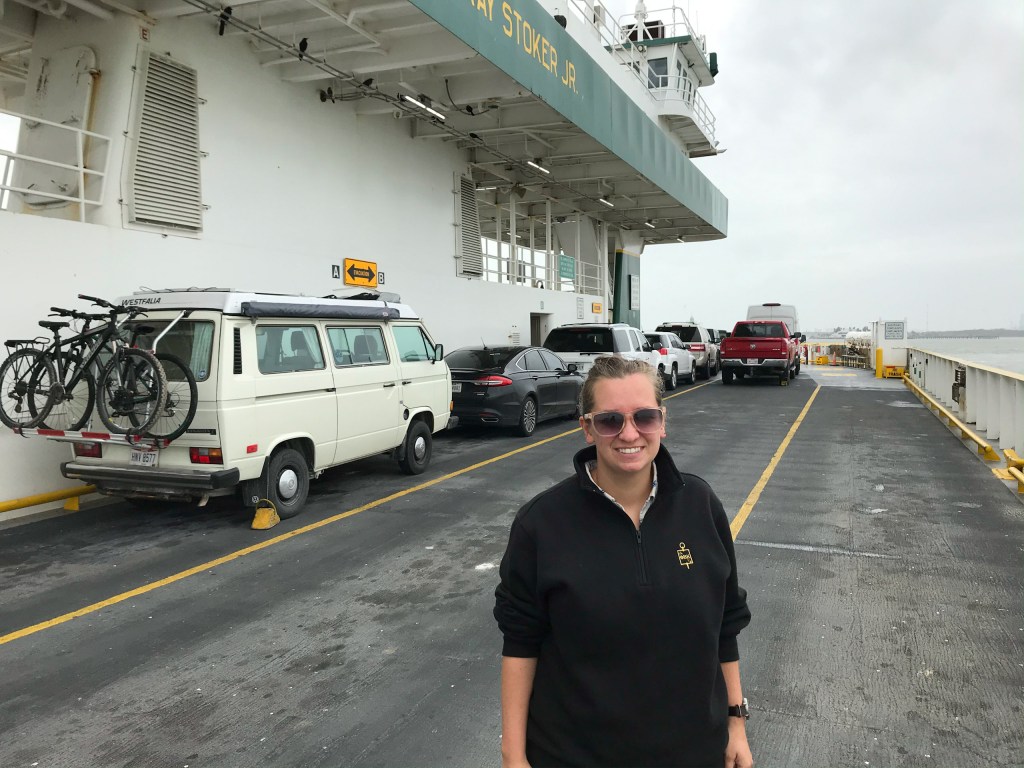
The following day we continued West along the coast. I had never driven onto a ferry before, and getting to do this twice in the same day was really cool! The second ferry took us across very busy shipping lanes into Galveston, Texas.
That night we camped at a state park. The weather was pretty bad; reported wind gusts to 75mph. We dropped the top in Evelyn, and when a tornado warning was issued at midnight, Abbey and I ran to the shelter house and hung out in the women’s bathroom for an hour. It was so windy I could feel the pressure changes in my ears. We were fine, and so was Evelyn.
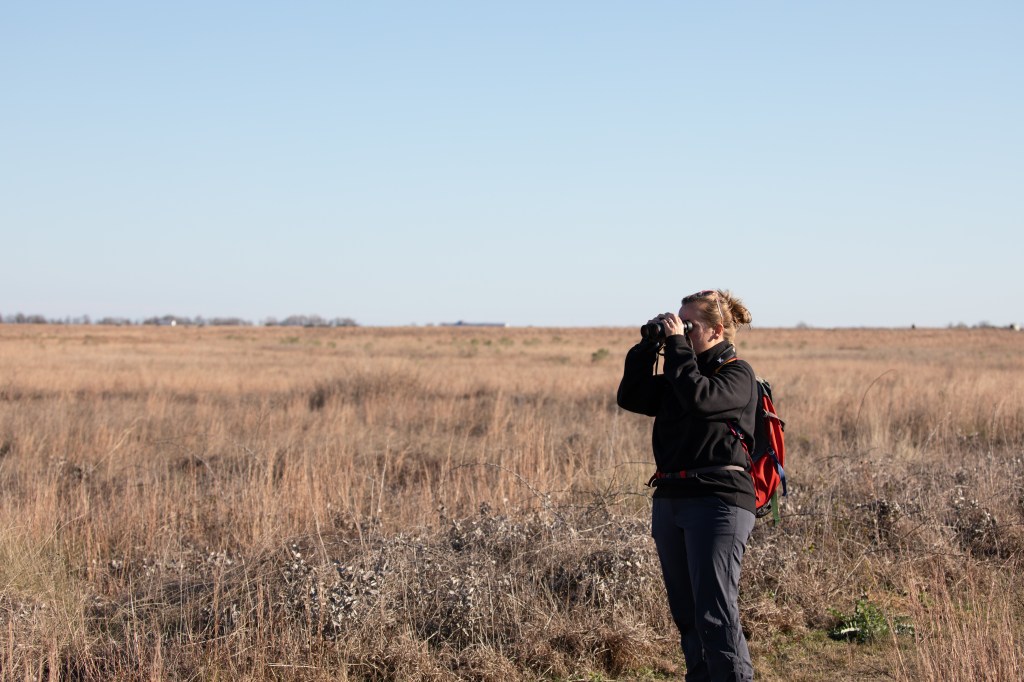
As we started inland into Texas, the scenery changed quickly to the rolling hills and savannas of Texas. We stopped at the Attwater Prairie Chicken National Wildlife Refuge. Like the Mississippi Sandhill Cranes, these birds are critically endangered and live entirely on or around the NWR. There are 102 birds left in the wild. We hiked the trails for hours, seeing none, until finally we flushed up maybe a dozen as we were walking back to Evelyn. It’s hard to tell the difference between these and other species of prairie chicken, so I can’t be certain, but I like to think we saw the real deal.
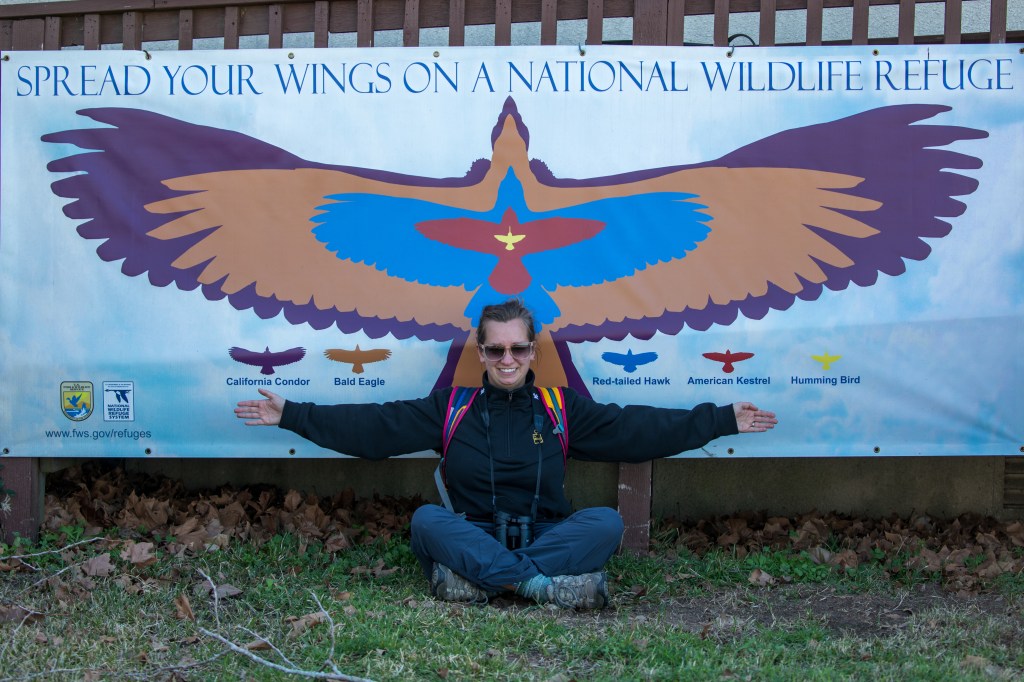
Abbey is larger than a Red-tailed Hawk but smaller than a Bald Eagle.
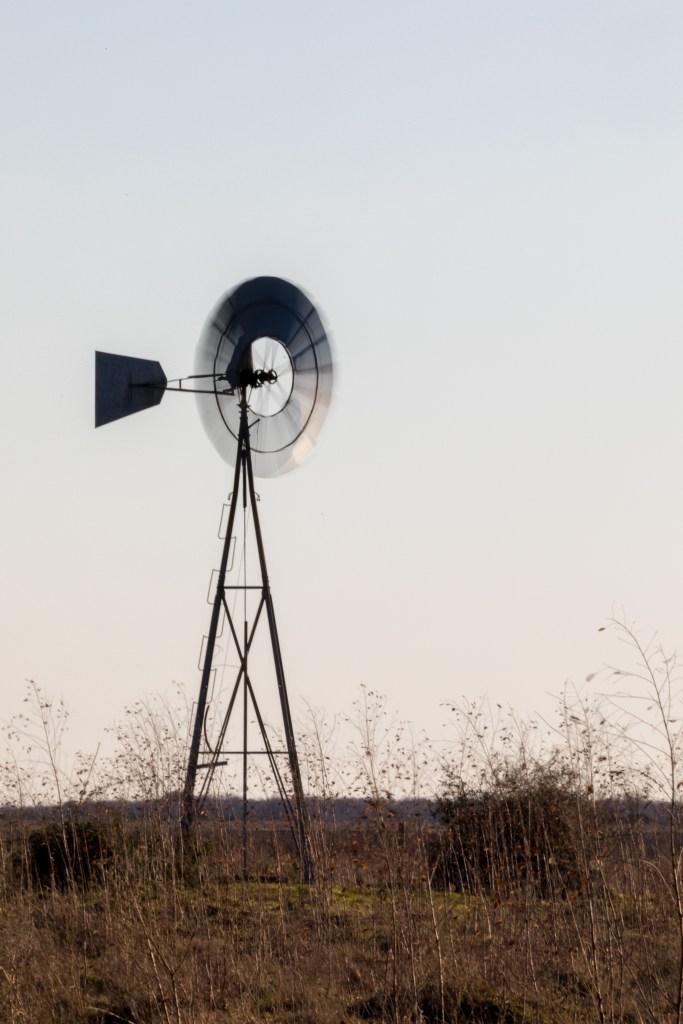
Austin, Texas is a hip, trendy town that reminds me a lot of Columbus, Ohio – just with different architecture. We met up with Abbey’s friend Ben, who took us on a great tour of the city. The capitol building of Texas is taller than the Nation’s capitol.

A bridge in Austin is home to some 750,000 bats – a renovation project in the 1980’s purposefully added slits in the underside concrete to allow the bats to make their home there. You can hear them when you walk under.

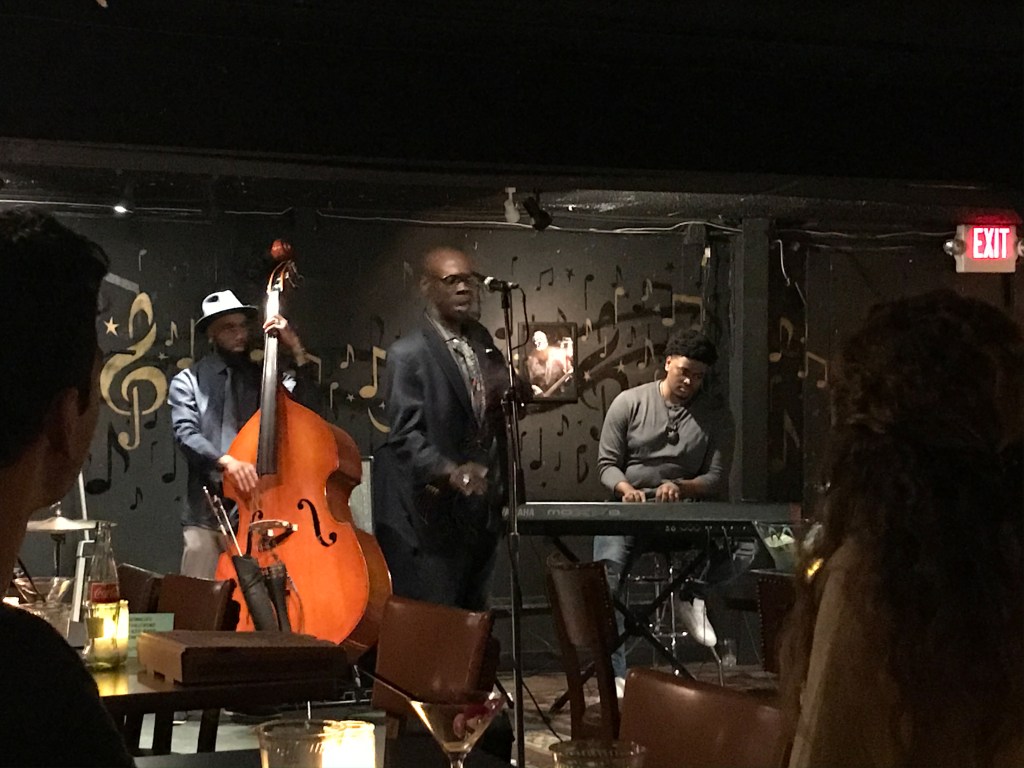
At night, we went to a local bar/lounge and listened to a pretty great local jazz/blues band. It was a fulfilling way to round-out our time in Austin.
Now we’re headed to Big Bend National Park.
Cheers!
 Hardway Travels
Congratulations, Robert! You two are covering some ground out there. Any big birthday plans?
LikeLike
Love the photo of Abbey in front of the Spread Your Wings sign! Cool visual of the size of the different birds, plus the colors & superimposition really looks like Native American artwork!! Great bridge photo too!
LikeLike
“…the whole place smelled of stale beer and bad decisions.” Robert, you have a charming way with words. We get vicarious pleasure from your adventures! I’ve learned so much.
LikeLike