William Least-Heat Moon wrote Blue Highways, where he documents his travels across the United States in a van in the late 70’s. He has a peculiar affinity for etymology, and specifically, why towns are named the way they are. He went to the town of Ninety Six, South Carolina, and so did we.
In 1781, General Nathanael Greene came to Ninety Six to attempt a siege on a Star Fort occupied by Loyalists. Unfortunately, he couldn’t get close enough in time (British reinforcements were on the way) so 50 men volunteered to charge the fort. 30 of the 50 were killed or wounded, and Greene ended up retreating. Ironically, Ninety Six was abandoned by the British shortly thereafter and they burnt it all to the ground on the way out. The remnants of the Star Fort earthen mounds and the siege trenches are still there.

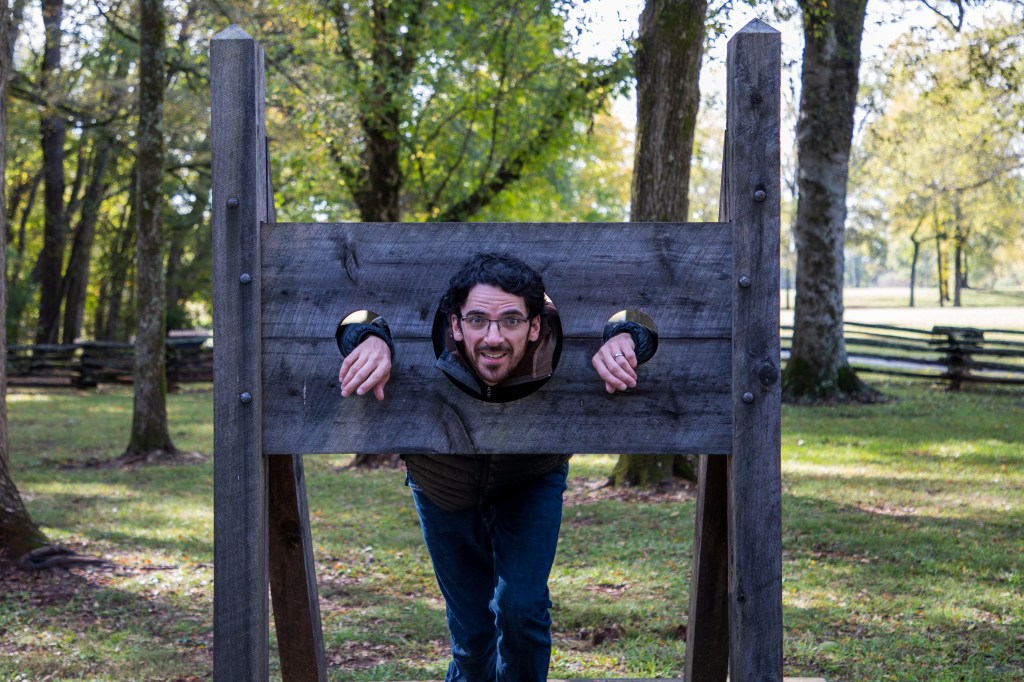
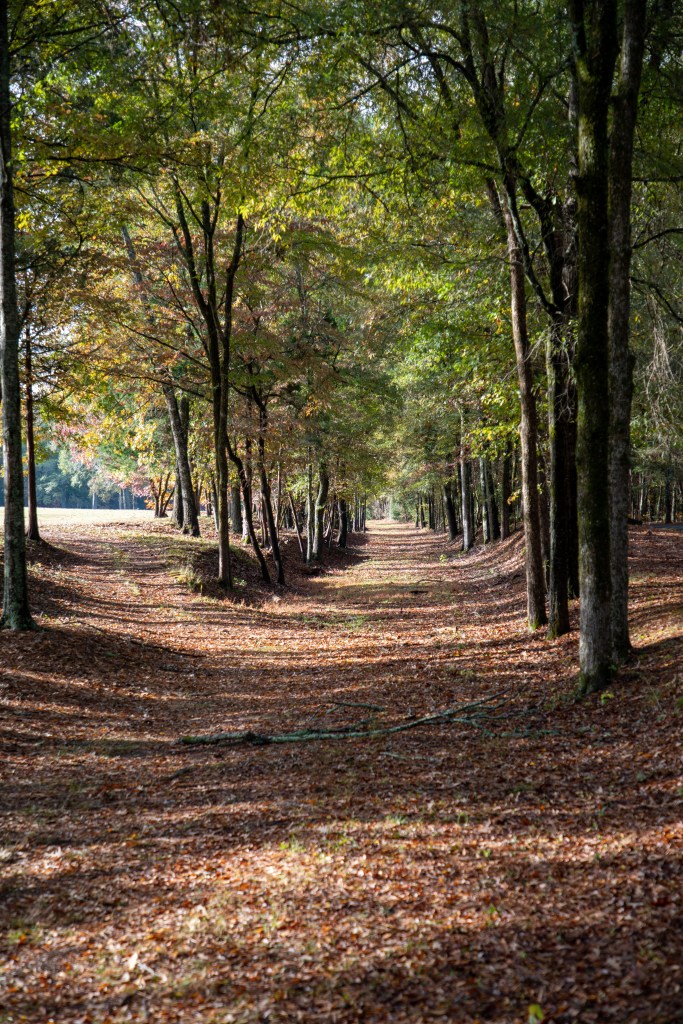
Ninety Six was home to earlier battles, too. It was the site of the first land battle of the Revolutionary War outside of New England, and was also the site of numerous conflicts between early settlers and Cherokee Indians. All this strife is due to the strategic location along major trade routes of the time. And the name Ninety Six probably refers to the distance from Keowee, a large Cherokee trade center 96 miles away. But no one really knows for sure. The area was so well traveled that the old trade paths, walked for thousands of years, have become deep ruts in the ground still visible today.
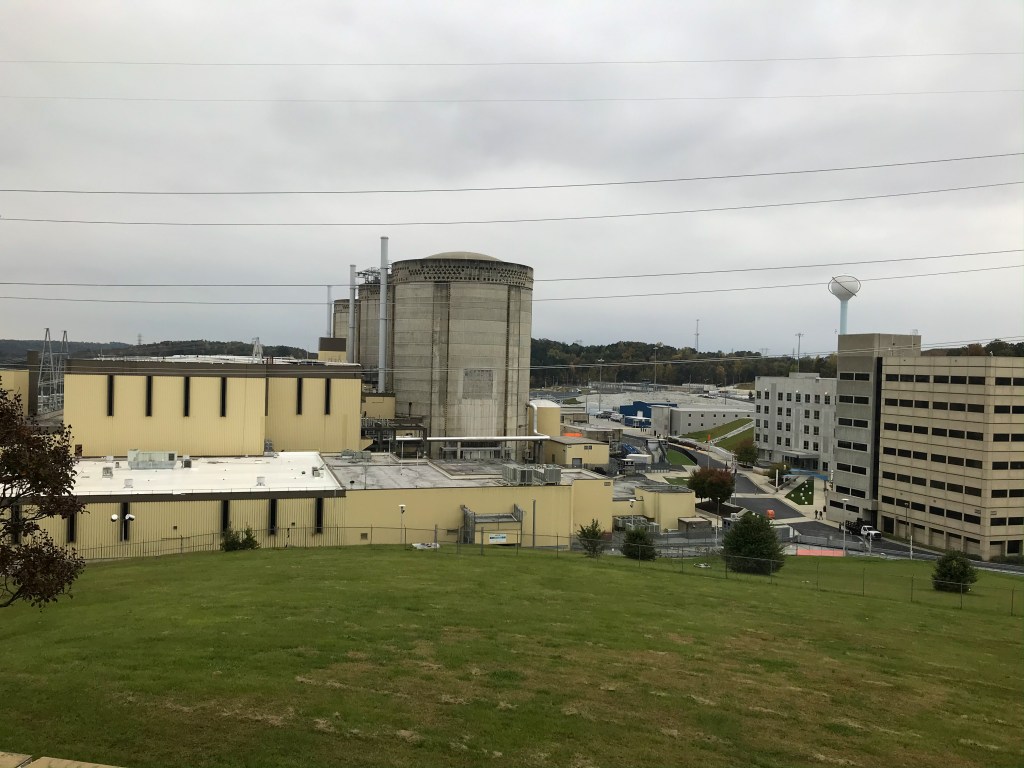
Oconee Nuclear Power Station came online in the early 70’s. There are three B&W PWRs on site, and no cooling towers. They circulate the dammed lake water instead. The “World of Energy” is the visitor center that educates about nuclear power and other energy sources, and it’s worth a visit if you’re passing through. I really enjoyed my time in Nuclear, but I don’t regret my decision to leave.
How is Ninety Six and Oconee Nuclear Station related? The major Cherokee trade hub, Keowee, was submerged when the river was dammed, and that reservoir is now what Oconee Nuclear takes its cooling water from.
Cheers!
 Hardway Travels